Red spider mites are a major pest in agricultural production, causing significant damage. If control methods are improperly applied, it can lead to worsening infestations. So, how should red spider mites be effectively prevented and controlled?
Symptoms of red spider infestation
Red spider mites prefer feeding on the undersides of unopened young leaves or mature foliage of strawberries. They spin fine silk webs on the leaf surfaces where they congregate, reproduce, and cause damage beneath this protective covering. Infested leaves initially develop small, pale yellow-white spots that gradually expand, covering the entire leaf with a characteristic mottled pattern. In severe cases, the leaves turn yellow, curl, shrivel, or dry out completely. This damage stunts plant growth, reduces vigor, and ultimately impacts strawberry yield and quality.

The reproduction situation of red spiders
Red spider mites thrive and multiply rapidly in hot, dry conditions, capable of completing more than 10 generations annually. In open fields, adult females overwinter in the soil, emerge in spring to lay eggs, and begin causing damage after hatching. In greenhouse environments, these pests can continue reproducing throughout winter, with adults overwintering on the undersides of older leaves.
The mode of transmission of red spiders
Red spider mites typically overwinter in protected areas such as dead branches, leaf litter, and soil cracks within greenhouses. They can also be introduced into greenhouses through infested seedlings. These pests spread readily via wind currents and human activities, establishing persistent populations that cause damage across multiple generations. Without timely intervention, their populations can quickly escalate into severe outbreaks.

The methods for controlling red spiders
Maintain moderate soil moisture levels. When using drip irrigation, you may slightly increase the water volume. If uneven water distribution occurs, promptly supplement with hand watering to prevent red spider mite infestations that can result from insufficient soil moisture.
Regularly remove old, diseased, and yellowed leaves as well as infected fruits. Red spider mites often take refuge on the undersides of older strawberry leaves, and their removal helps eliminate these hiding spots.
Apply organic fertilizer to provide plants with adequate nutrition and enhance their stress resistance, which is particularly important for maintaining plant health and preventing pest infestations like red spider mites.

Chemical prevention
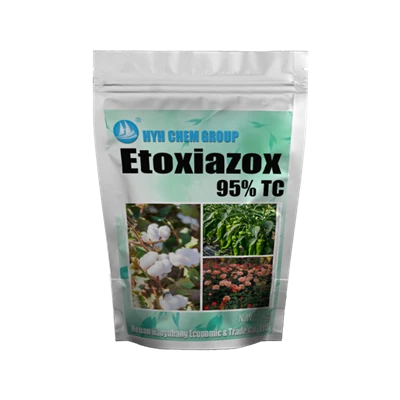
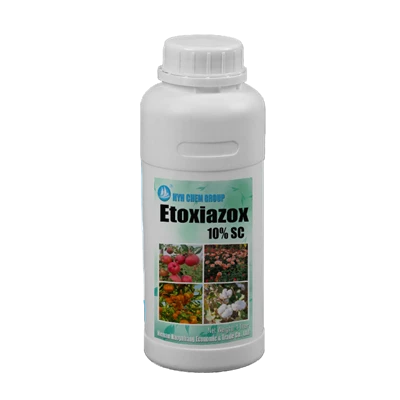
Choose low residue and strong contact killing drugs for chemical prevention, such as Spirotetramat, Bifenazate, Thiocyclam oxalate, Abamectin, Etoxazole and the like.
Drug Use Caution
Red spider mites will continue to reproduce, and in severe cases, egg killing agents such as flufenuron and Lufenuron should be used in combination.
Before large-scale application, it's essential to conduct small-scale testing on a limited number of plants. Pesticide spraying can create a closed microclimate that may negatively impact the flowering and fruiting of sensitive strawberry varieties. For long-lasting control, consider using systemic pesticides like Etoxazole, Spirotetramat, or Bifenazate, selecting the most appropriate option based on the specific pest pressure and growth stage of your strawberry crop.
The red spider mites typically resides on the undersides of leaves or within leaf crevices, which complicates pesticide application. To effectively target these pests, the sprayer must be positioned beneath the foliage and directed upward for thorough coverage.
To ensure optimal pesticide effectiveness and minimize potential plant stress, it's advisable to avoid spraying during the peak heat of midday. Instead, plan your application for the late afternoon, ideally after 3 p.m., when temperatures are cooler and the risk of rapid evaporation is reduced. This timing helps the treatment adhere better to plant surfaces and allows for proper absorption.
To prevent the emergence of drug resistance, it is recommended to rotate between different medications rather than relying on a single one.
If you want to know more information about our products, please send an inquiry. Our team will offer dedicated service to you.