Most plants don't die of hunger.
They die of a small root system.
01
Sandy and desert soils hold water in the top few centimetres, then lose it fast.
02
Nursery-grown seedlings arrive with roots adapted to daily irrigation, not to a field.
03
Heavy fertiliser programmes feed the plant but do nothing for the root surface that has to absorb it.
04
Heat and salinity raise the plant's water demand exactly when supply is lowest.
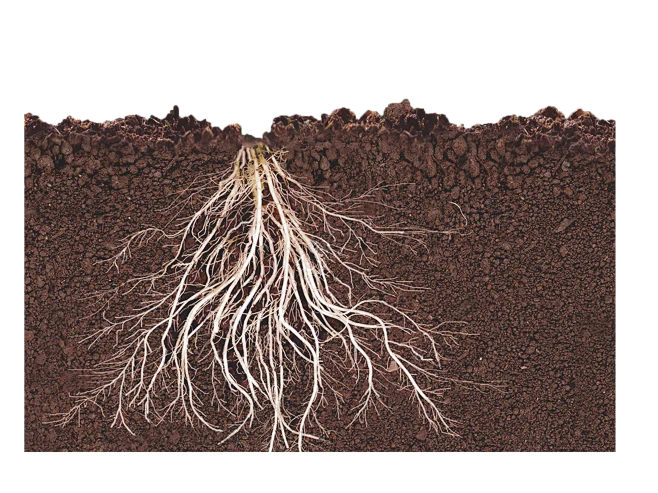
The part of the root system you can't see.
A bigger root system, without bigger roots
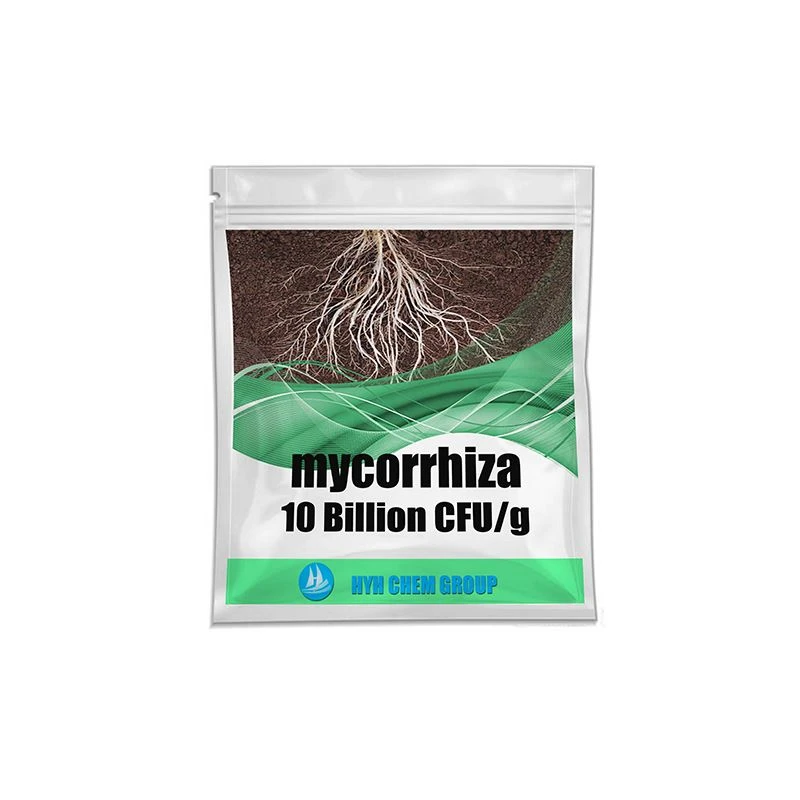
Fine threads - hyphae - reach into soil pores that a root hair cannot enter. The result is a much larger effective absorbing surface from the same plant.
Phosphorus where the plant can actually get it
Phosphorus barely moves in soil. Hyphae forage beyond the narrow zone a root can deplete and carry it back - often seen first as stronger early growth and better flowering.
Built for dry seasons and hot soils
A wider hyphal network reaches water in finer pores and helps the plant keep working under heat stress - the margin that matters on rain-fed plots, sandy beds and peak-summer greenhouses.
Transplant shock, softened
Applied at the transplant moment, the fungus colonises new root tips as they emerge - so the plant builds its soil network from day one instead of week four.
A better return on the fertiliser you buy
More absorbing surface means less phosphorus and micronutrient stays locked in the soil. Many growers hold yields and trim inputs; the honest way to know is a strip trial on your own land.
Living soil, not just fed soil
Mycorrhizae bind soil particles into aggregates, improve structure and water infiltration, and support the microbial community around the root. The effect compounds season after season.
Three steps, all of them
below the surface.
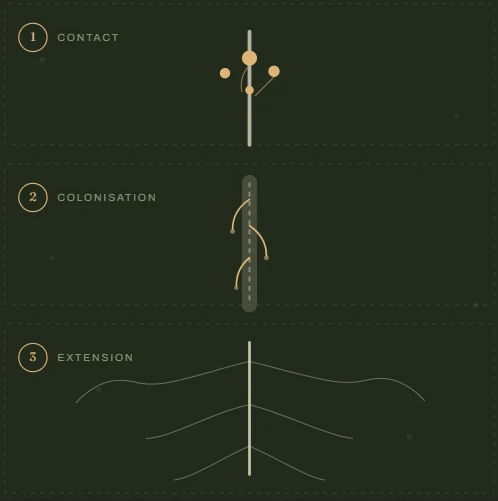
1
Contact
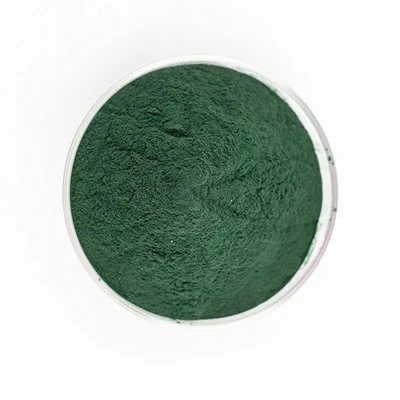
The powder is dormant. It needs one thing to start: a living root nearby. Applied to the planting hole, the root zone, or as a drench, spores germinate within days of contact.
2
Colonisation
Hyphae enter the root and form branched structures inside the root cells, where the trade happens: sugar from the plant, phosphorus, water and micronutrients from the fungus.
3
Extension
The external network spreads through the soil - metres of fine thread from a single colonised root tip. This is the network that carries a plant through a dry week, a hot month, a sandy season.
From chilli beds to date palms.
Vegetables & chillies
Tomato, chilli, cucumber, okra, leafy greens - fast root turnover, high phosphorus demand.
Fruit trees & replants
Citrus, mango, guava, date palm - long establishment phase on sandy, drought-prone ground.
Oil palm, banana, durian
Nursery-to-field transition is where establishment losses happen.
Greenhouse crops
Cucumber and tomato under heat stress and saline irrigation water.
Lawns, turf, landscapes
Sand-based rootzones with weak native fungal populations.
Reclamation & sandy plots
Degraded ground that has lost most of its living fungal inoculum.

Hot Tags: mycorrhiza: built-in nutrient absorption, China mycorrhiza: built-in nutrient absorption manufacturers, suppliers, factory