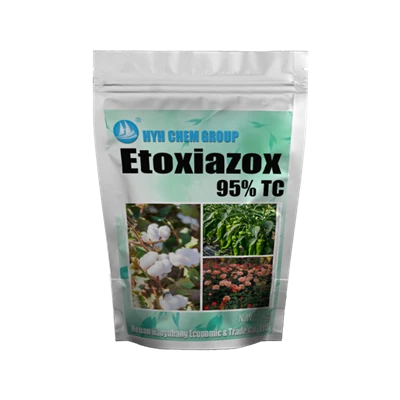
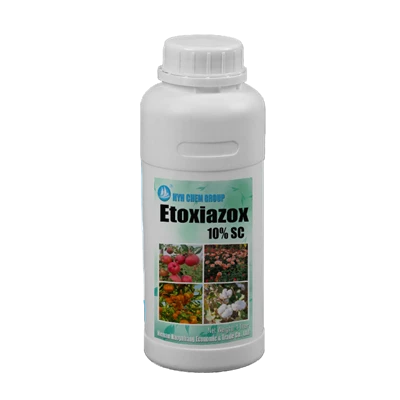
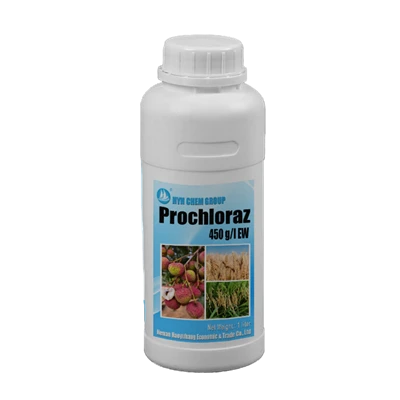
Products Description
Chlorantraniliprole acts as a ryanodine receptor agonist, a highly active control agent against lepidopteran pests (such as diamondback moth, fall armyworm, tobacco budworm, beet armyworm, cabbage looper, etc.) and hemipteran pests (such as green peach aphid, cotton aphid, potato leafhopper, silverleaf whitefly, etc.). It is mainly used for pest control in crops like soybeans, fruits & vegetables, rice, cotton, and corn.
This insecticide features excellent stomach toxicity and certain contact activity, along with superior systemic and penetrative properties. It has a broad insecticidal spectrum, high activity, low toxicity, and safety for environmental organisms. Additionally, it shows good compatibility with various bulk insecticides, making it applicable for pest control in hundreds of crops.
Target Pests
Chlorantraniliprole effectively controls target pests including lepidopteran species from families such as Pyralidae, Crambidae, Gelechiidae, Tortricidae, Tineidae, Plutellidae, Grain moth family (Gelechiidae), Gracillariidae, etc., as well as hemipteran pests like green peach aphid, cotton aphid, potato leafhopper, silverleaf whitefly, etc., with reliable control efficacy verified by Chemicalbook.
It also demonstrates activity against non - lepidopteran pests such as coleopteran species from Curculionidae and Chrysomelidae, dipteran Agromyzidae, Bemisia tabaci (tobacco whitefly), and chewing - mouthpart pests. Applied crops include soybeans, fruits & vegetables, rice, cotton, corn, and other specialty crops.


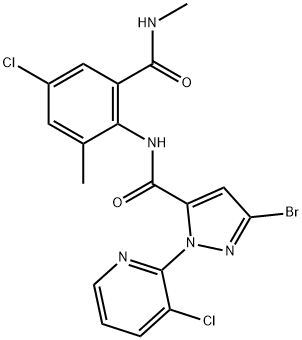
Structural formula:
Key Attributes
|
Product name |
Chlorantraniliprole |
|
CAS No. |
500008-45-7 |
|
MF |
C18H14BrCl2N5O2 |
|
Appearance |
Liquid |
| Toxicity |
Low toxicity |
Storage and Transportation Methods:
1.This product should be stored in a cool, dry, well-ventilated and rainproof place, and must not be inverted. Keep away from fire sources and heat sources.
2. This product should be kept out of reach of children, unauthorized personnel and animals, and locked up for storage.
3. Do not store or transport together with food, beverages, grains, seeds, feed, etc.
4. During transportation, it should be protected from sunlight and rain. Loading and unloading personnel should wear protective equipment and handle containers with care to ensure that they do not leak, collapse, fall or get damaged.