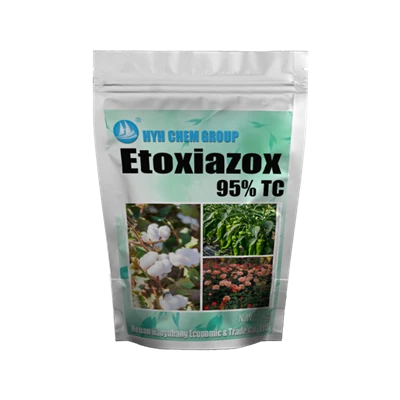
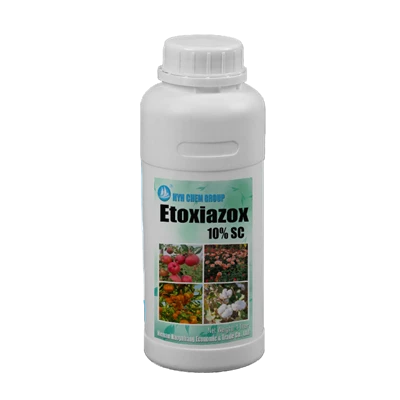
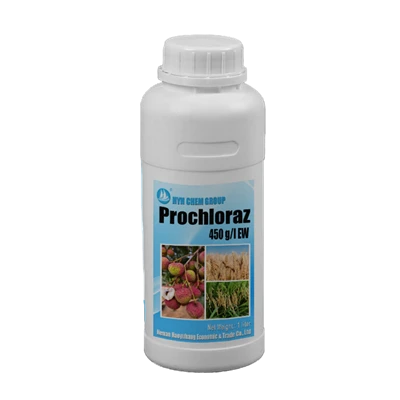
Diamondback moth, cabbage caterpillar, beet armyworm, Spodoptera litura, and thrips are common pests in vegetables and field crops. They reproduce rapidly and cause great damage to crops. For these pests, abamectin and emamectin benzoate are generally used for control. However, these pesticides take a long time to kill insects, and long-term use can easily lead to resistance. Today, I'd like to introduce a pesticide. When applied in combination with abamectin, it not only kills insects quickly, but also has high efficacy and is not prone to resistance. This is "chlorfenapyr".
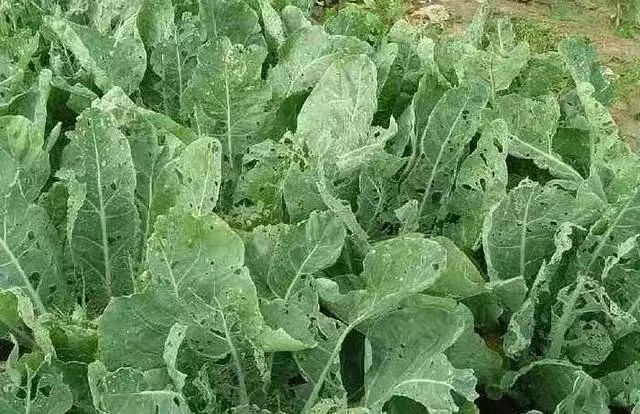
1. Mechanism of action
Chlorfenapyr is a new pyrrole compound that acts on the cellular mitochondria in pests, disrupting the energy production process within the cells, thereby causing cell failure and ultimately leading to the death of pests. Chlorfenapyr kills insects quickly and effectively, but it has a narrow insecticidal spectrum and a short duration of effect. Abamectin has a broad insecticidal spectrum and a long duration of effect. The combination of the two, with both preventive and curative effects, not only has high efficacy but also a long duration of effect.
2. Main features
(1) Broad insecticidal spectrum. It has a significant effect on diamondback moths, beet armyworms, Spodoptera litura, cabbage caterpillars, leafminers, psyllids, whiteflies, thrips, red spiders and other pests on various crops such as vegetables, field crops, and fruit trees. It also has a certain killing effect on stink bugs and flea beetles.
(2) Good quick-acting property. Chlorfenapyr has excellent permeability and systemic conductivity. When mixed with abamectin, it can kill pests within 1 hour after application, reach the peak of pest death within 24 hours, achieve a control effect of over 95% on the same day, and the efficacy is increased by 4 times.
(3) High efficacy and long duration. The combination of the two can achieve a control effect of about 90% within 1-3 days after application, with a relatively long duration. Even 15 days after application, the efficacy can still remain at around 80%.
(4) Low risk of resistance development. Abamectin and chlorfenapyr have different insecticidal mechanisms, so their mixture is less likely to lead to the development of resistance.
3. Applicable crops
It is mainly applicable to vegetables such as peppers, tomatoes, cabbages and leafy vegetables, field crops such as wheat and corn, and fruit crops such as lychees.
4. Control targets:
diamondback moths, cabbage caterpillars, beet armyworms, Spodoptera litura, cabbage webworms, vegetable aphids, leafminers, thrips and other vegetable pests.
5. Application technology
The combination of abamectin and chlorfenapyr has a significant synergistic effect, and has a good control effect on highly resistant thrips, green caterpillars, beet armyworms, Chinese chive maggots, leaf rollers, stem borers (Chilo suppressalis, Tryporyza incertulas) and Spodoptera litura.
Optimal application period: It is more effective when applied in the middle and late growth stages of crops and when the temperature is lower during the day. (Abamectin has higher insecticidal activity when the temperature is below 22°C.)
Precautions
(1) Crops such as watermelons, summer squashes, bitter gourds, muskmelons, cantaloupes, winter melons, pumpkins, hanging melons, and luffas are sensitive to chlorfenapyr, and phytotoxicity is likely to occur after application; cruciferous crops (Chinese cabbages, radishes, rapeseeds, etc.) are prone to phytotoxicity if applied before they have 10 leaves, so do not use it.
(2) Do not apply the pesticide at high temperatures, during the flowering period or seedling stage, as phytotoxicity is also likely to occur. When phytotoxicity is caused by chlorfenapyr, it is generally acute phytotoxicity (symptoms will appear within 24 hours after application). If phytotoxicity occurs, promptly use brassinolide + amino acid - based foliar fertilizer for relief.