Introduction and Occurrence Patterns of Rust Mites

The rust mite (Phyllocoptruta oleivora), a minute pest barely visible to the naked eye, measures just 0.1 millimeters in length as an adult. Both adult and nymphal stages cluster densely on leaves, fruits, and young branches, where they pierce the epidermal cells of tender citrus tissues with their needle-like mouthparts to extract sap. The damage begins when feeding ruptures the oil glands in the plant's surface. These glands release aromatic oils that oxidize upon contact with air, triggering a chemical reaction that turns the affected areas-typically the undersides of leaves and fruit surfaces-a distinctive yellow-brown or bronze hue. This discoloration, known as "black-skinned fruit" or "rohan fruit" in agricultural contexts, drastically reduces the visual appeal and market value of citrus crops. Infestations often go unnoticed until significant aesthetic damage occurs, making early detection and management critical for preserving fruit quality and profitability.
Generally citrus rust mite occurs 20-24 generations a year
Starting from mid April, rust mites begin to shift their feeding and oviposition towards the leaves of spring shoots.
Starting from May, rust mites start migrating to young fruits.
From June to August, there is a significant increase in the population density of rust mites, marking a period of major outbreaks.
High temperatures in summer are conducive to the occurrence of rust mites, while rainfall in summer is unfavorable for their occurrence.

Reasons for incomplete prevention and control of rust mites
Rust mites are small and invisible to the naked eye, and some growers often start using pesticides only when they see problems with the fruits. This has already missed the optimal period and failed to grasp the occurrence pattern of rust mites. Generally, the first medication should be started from April to May, and spray prevention should be strengthened from June to August. Continue until September to October.
Excessive density of branches in the inner chamber and failure to spray pesticides during prevention and control can also result in fish leaking through the net, which may cause some fruits inside the inner chamber to be infected with black skinned fruits. Or spray is not in place during spraying, resulting in missed spraying or no spraying.
Rust mite is a type of mite that is not easily noticeable, and the duration of the pesticide's effectiveness must be considered. The longer the persistence period, the more effective the pest control will be. If spraying is delayed due to various reasons, the likelihood of blackened fruit is significantly higher. Most acaricides have relatively long persistence periods, but prolonged use of the same pesticide can lead to mite resistance. Many rust wall mites have developed resistance to Abamectin, Lufenuron, and some other pesticides.
Additionally, excessive use of copper-based agents can also lead to a massive outbreak of rust mites.
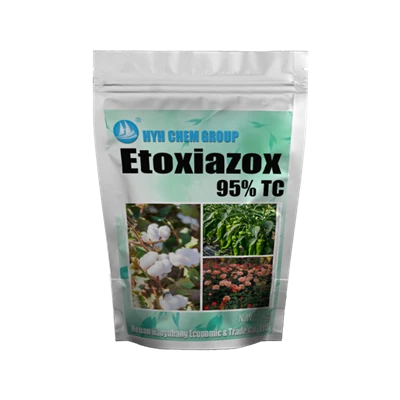
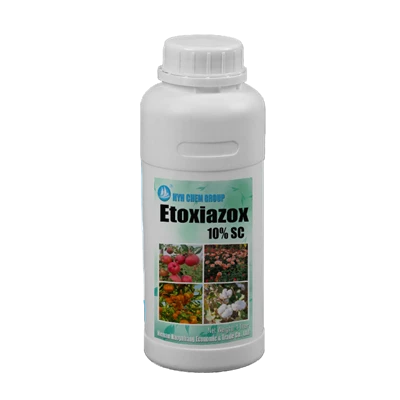
Why choose Fenbutatin Oxide
Currently, Fenbutatin Oxide represents the premier and highly effective agent for rust mites control. Fenbutatin Oxide, a temperature-sensitive organotin acaricide, is among the top-tier market compounds for its superior acaricidal activity against rust mites. It operates mainly through contact, showcasing strong effectiveness against all life stages, including nymphs, adults, and larvae. Being temperature-sensitive, its activity peaks at temperatures above 22°C.
Fenbutatin Oxide stands out as one of the most enduring rust-killing agents available. Following application, its effect unfolds gradually; activity begins to intensify after three days, reaching its peak effectiveness by the 14-day mark. Notably, it boasts an extended shelf life of over two months, surpassing the longevity of Abamectin, Lufenuron, and fenpyroximate. Consequently, a single application of Fenbutatin Oxide ensures prolonged protection against rust mites.
Grasping the Prevention and Control Time
From late April to mid-May, the first specialized spray application targeting rust mites must be conducted.
Strengthened prevention and control measures need to be conducted again in early June.
July and September are the key months for prevention and control. During this period, climate observation should be done well and targeted medication should be taken. Attention should be paid to medication in high temperature and drought. After drought, spray of potion should be strengthened.
October is a month of easy neglect for the prevention and control of rust mites, especially for late maturing varieties. It is important to observe and prevent pest infestations before November.
If you want to know more information about our products, please send an inquiry. Our team will offer dedicated service to you.