Prochloraz: A Cornerstone Fungicide in Modern Crop Protection
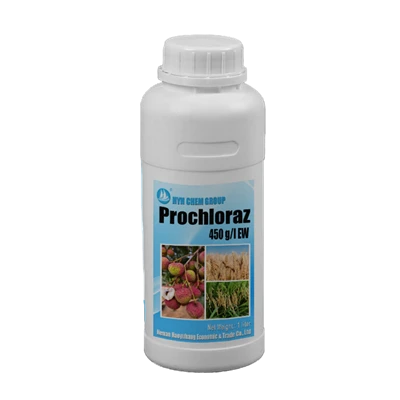
Prochloraz stands as a vital tool within the agricultural chemist's arsenal, recognized globally as a broad-spectrum fungicide indispensable for controlling a wide array of destructive fungal diseases. Its efficacy and versatility have secured its place in protecting the health and productivity of numerous vital crops, contributing significantly to global food security and quality. Understanding its mechanism, applications, and responsible use framework is essential for contemporary farming practices.

Mechanism of Action: Targeting Fungal Integrity
The core strength of Prochloraz lies in its specific biochemical action. It belongs to the imidazole class of fungicides, functioning primarily as a potent inhibitor of sterol demethylation (DMI). This process is crucial for the biosynthesis of ergosterol, a fundamental component of fungal cell membranes. By disrupting ergosterol production, Prochloraz compromises the integrity and function of the fungal cell membrane. This leads to multiple detrimental effects within the pathogen, including abnormal cell wall synthesis, impaired growth, inhibited spore formation and germination, and ultimately, cell death. This targeted mode of action underpins its broad-spectrum activity against a diverse range of Ascomycete and Deuteromycete fungi.
Key Applications Across Major Crops
Prochloraz's broad-spectrum control makes it invaluable across several agricultural sectors:
1. Cereals: It plays a critical role in protecting wheat, barley, and rye from devastating foliar diseases. It is highly effective against Septoria species (e.g., Septoria tritici blotch, Septoria nodorum blotch), Rhynchosporium secalis (leaf blotch/scald), and Pyrenophora teres (net blotch). Its activity often extends to reducing Fusarium head blight (FHB) incidence and associated mycotoxin contamination, a crucial aspect of grain quality and safety.
2. Fruits: In orchards and vineyards, Prochloraz combats significant pathogens. It is widely used against Botrytis cinerea (grey mould) in grapes, berries, and stone fruits, Monilinia spp. (brown rot) in stone fruits, Venturia inaequalis (apple scab), and Glomerella cingulata (anthracnose) in various fruits. Its post-harvest application is also common to extend shelf-life by controlling storage rots.
3. Vegetables: Protection against foliar and fruit diseases is essential in vegetable production. Prochloraz effectively manages diseases like Botrytis cinerea in lettuce and tomatoes, Alternaria species (early blight, leaf spot) in potatoes, tomatoes, and brassicas, Sclerotinia sclerotiorum (white mould), and Cercospora leaf spots.
4. Other Crops: Its use extends to oilseed rape (against Sclerotinia), bananas (Sigatoka diseases), turf grasses, and ornamentals, demonstrating remarkable versatility.

Safety Considerations and Responsible Use
Like all crop protection chemicals, the safe and effective use of Prochloraz demands strict adherence to safety protocols:
● Human Safety: Prochloraz carries specific hazard classifications (varying by region/formulation, but often including acute toxicity categories and potential skin/eye irritation). Mandatory use of appropriate Personal Protective Equipment (PPE) – gloves, coveralls, eye protection, and respirators as specified on the label – is non-negotiable during mixing, application, and clean-up. Adherence to re-entry intervals (REIs) is crucial to protect workers.
● Environmental Safety: Potential impacts on non-target organisms require consideration. Prochloraz can be toxic to aquatic life and bees. Strict observance of buffer zones near water bodies, avoidance of spray drift, and adherence to application timings that minimize exposure to pollinators (e.g., not spraying during flowering or bee activity) are critical mitigation measures. Proper disposal of containers and rinsate is mandatory.
● Resistance Management: As a site-specific fungicide (Group 3), Prochloraz is inherently at risk of resistance development in fungal populations. Implementing robust Fungicide Resistance Management (FRM) strategies is paramount. This involves:
○ Using Prochloraz in mixtures or alternation with fungicides possessing different modes of action (e.g., multisite inhibitors like chlorothalonil, or other FRAC groups).
○ Limiting the number of applications per season or crop cycle.
○ Applying at recommended, effective doses – avoid under-dosing.
○ Integrating with cultural control methods as part of an Integrated Pest Management (IPM) approach.
Regulatory Landscape
The registration and permitted uses of Prochloraz are subject to rigorous assessment and ongoing review by regulatory authorities worldwide (e.g., EPA in the USA, EFSA/EC in the European Union, APVMA in Australia, national authorities elsewhere). Key regulatory aspects include:
● Approved Uses: Regulations strictly define which crops, target diseases, application rates, timings, and maximum number of applications are permitted. Users must consult and comply with the specific product label approved for their region and crop.
● Maximum Residue Levels (MRLs): Strict legal limits (MRLs) are established for Prochloraz and its relevant metabolites (like BTS 44595 and BTS 44596) in food and feed commodities. These MRLs are enforced to ensure consumer safety and facilitate international trade. Compliance with pre-harvest intervals (PHIs) specified on the label is essential to ensure residues fall below established MRLs.
● Re-evaluation: Regulatory bodies periodically review the safety profile of active substances like Prochloraz based on new scientific data. This can lead to changes in approval status, label requirements, or use restrictions. For instance, the EU recently re-approved Prochloraz (2020) but with specific conditions and restrictions on certain uses.
Conclusion
Prochloraz remains a cornerstone fungicide in global agriculture due to its proven broad-spectrum efficacy against economically critical fungal pathogens in cereals, fruits, and vegetables. Its specific mode of action targeting ergosterol biosynthesis provides reliable disease control when used correctly. However, its long-term viability and sustainable integration into crop protection programs hinge entirely on strict adherence to safety precautions for humans and the environment, diligent implementation of resistance management strategies, and unwavering compliance with the evolving regulatory framework governing its use. By prioritizing responsible stewardship, farmers can continue to leverage the benefits of Prochloraz to secure healthy, high-quality yields while minimizing potential risks.