It's not miraculous, but it's stable
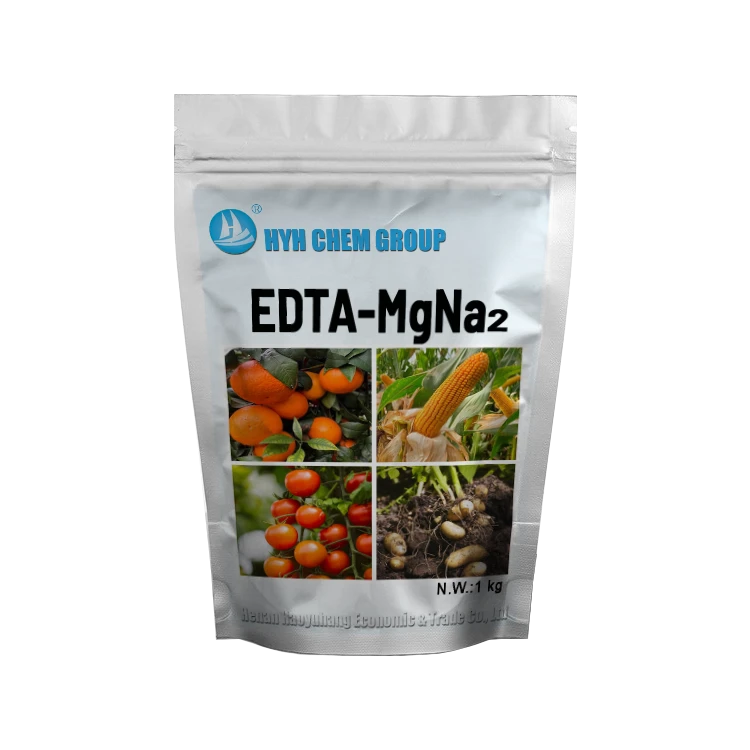
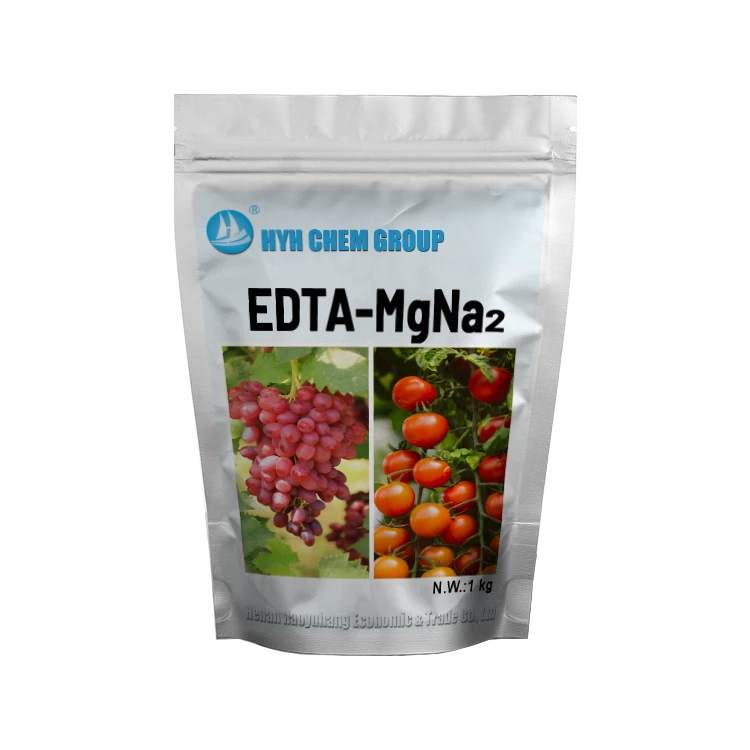
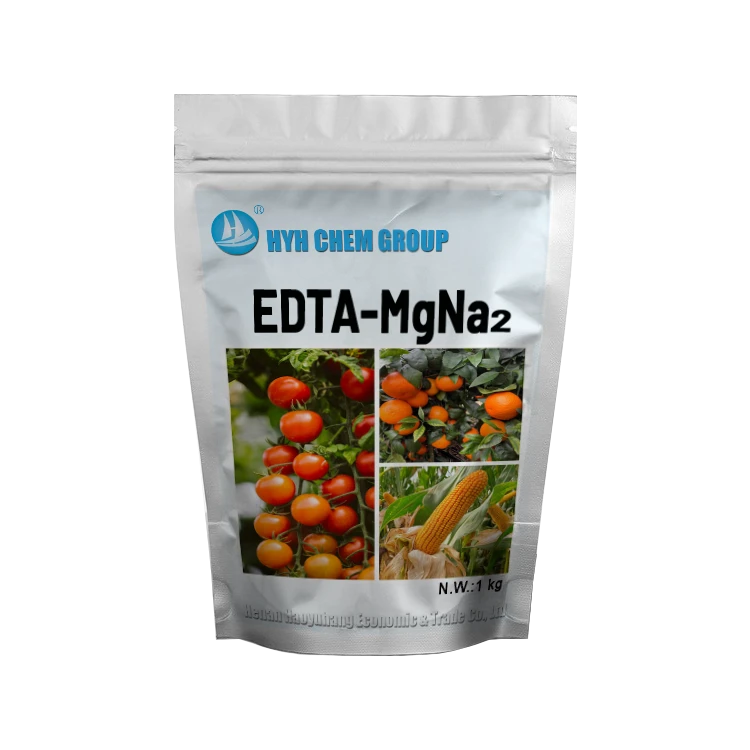
EDTA magnesium is a chelated secondary-element fertilizer, with common specifications containing about 6% magnesium. The biggest difference from magnesium sulfate is that the magnesium ion is wrapped in EDTA and won't easily combine with carbonate or hydroxide in the water to precipitate.
If both can be successfully applied to the leaf surface, the effect is about the same. But the problem is that when irrigation water pH is high or bicarbonate content is high, magnesium sulfate tends to fail, and the delivery reliability of EDTA magnesium becomes apparent.
So the reason to choose it isn't "better effect," but "don't waste it."
How to use it without losing ou
The reference usage on the market is fairly consistent: foliar spraying at 1500–2000× dilution, 15–20 g per mu, sprayed 2–3 times, with a 7–10 day interval. It can also be applied by flushing, drip irrigation, or root irrigation-just apply it with the water.
One thing worth noting, though: the chelated EDTA form has limited mobility in soil, so foliar spraying is the more direct choice. For soil application, the cost goes up, so it's suitable for plots where magnesium deficiency is already fairly obvious, or where soil conditions genuinely make ordinary magnesium fertilizers difficult to be effective.

In addition, EDTA magnesium has good mixing compatibility. When used together with fertilizers that easily react, such as phosphates and sulfates, it's more worry-free than ordinary magnesium fertilizers. But before tank-mixing with pesticides, still do a compatibility test-don't cut corners.
To be hones
EDTA magnesium is not a necessity. If your water quality is good, your soil isn't magnesium-deficient, and your crops show no magnesium-deficiency symptoms, magnesium sulfate is completely sufficient-no need to spend extra money. Its value scenarios are quite specific: hard water, alkaline irrigation water, easy problems when tank-mixing with other fertilizers, or wanting to ensure that every spraying isn't wasted. Figure out your own water conditions and soil status before deciding whether to use it-that's far more practical than blindly chasing the word "chelated."