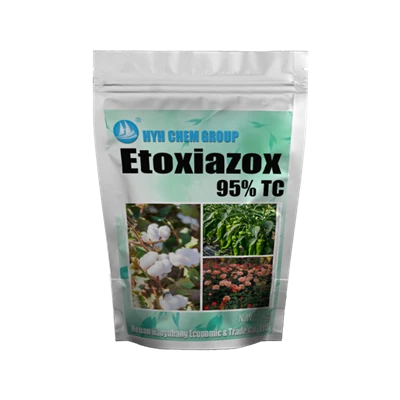
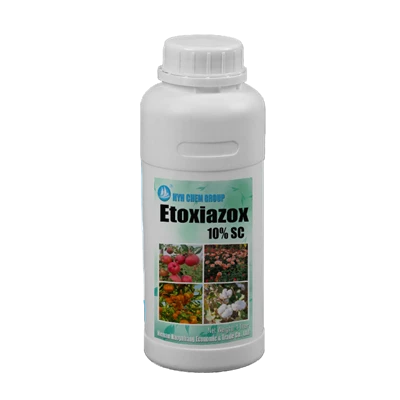
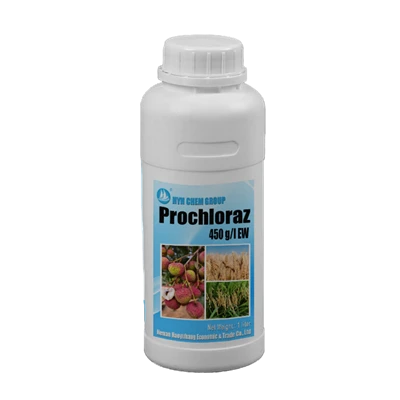
With the continuous development of global agricultural production, the control of plant diseases has become an important task in crop production. Pathogenic microorganisms, especially fungi and bacteria, are capable of triggering a wide range of plant diseases that can seriously affect crop yield and quality. In this context, the use of chemical plant protectants provides an effective solution for agricultural production.Dimethomorph (2-[1-(4-chlorophenyl)-2-phenylvinyl]-4-(3,4-dichlorophenyl)-5-thiazol-2-yl), as a new type of plant protectant, has a strong effect in the control of a variety of diseases, especially on fungal-induced plant diseases. It has good control effect on plant diseases caused by fungi.
I. Introduction
This paper will discuss the chemical properties, mechanism of action, application areas, precautions for use, and future development of dimethomorph, aiming to provide theoretical references for the better use of this chemical in agricultural production.
II. Chemical Properties of Dimethomorph
Dimethomorph is a phenyl vinyl thiazole compound with the chemical formula C18H18Cl2N2S and molecular weight of 361.33. Its molecular structure contains a thiazole ring and an aromatic group, which gives it strong lipophilicity and high bioactivity. dimethomorph belongs to the group of antifungal agents, with a broad spectrum of fungal inhibition. Dimethomorph is an important member of the antifungal agents, with broad-spectrum fungal inhibitory effect, especially for downy mildew, powdery mildew and other crop diseases with significant control effects.
This compound achieves disease control by inhibiting the synthesis of cell walls of specific plant pathogens. Due to its low toxicity and high persistence period, dimethomorph is widely used in agricultural production.

III. Mechanism of action of Dimethomorph
The preventive action of Dimethomorph is mainly to inhibit the growth and spread of fungi by interfering with their cell wall synthesis. Its mechanism of action can be analyzed in detail from the following aspects:
1. Inhibition of fungal cell wall synthesis
The target of Dimethomorph's action is the cell wall of frost fungi, fungal plant pathogens. It interferes with the synthesis of β-glucan, an important component of fungal cell walls, by inhibiting the activity of β-1,3-glucan synthase. This action prevents the fungus from synthesizing the cell wall normally, thus affecting its growth and development, and ultimately leading to the death of the fungus.
2. Enhancement of the immune response of plants
In addition to direct inhibition of pathogenic bacteria, dimethomorph also enhances the plant's disease resistance by promoting the plant's own defense mechanisms. Studies have shown that dimethomorph can increase the activity of disease-resistant enzymes and enhance the immune response of the plant, enabling the plant to respond more rapidly when it is attacked by pathogenic bacteria.
3. Broad-spectrum control
Dimethomorph has an inhibitory effect on a variety of plant pathogenic fungi, especially on frost mold and powdery mildew diseases. It destroys the growth environment of pathogenic fungi through direct action on the structure of fungal cell wall and cell membrane, thus achieving the effect of disease control.

IV. Application areas of Dimethomorph
The application of Dimethomorph in agricultural production is mainly focused on the control of various plant diseases, especially those caused by fungi such as downy mildew and powdery mildew. Its areas of application include:
1. Fruit tree disease control
Dimethomorph is widely used to control fungal diseases such as downy mildew, powdery mildew and other fungal diseases in the cultivation of fruit trees, especially in fruit crops such as grapes and strawberries. For example, downy mildew of grapes is a major disease caused by downy mildew, which can lead to fruit rot and yield loss. dimethomorph can effectively control this disease and protect the quality and yield of the fruit.
2. Vegetable disease control
In vegetable cultivation, dimethomorph has a remarkable effect on the control of powdery mildew, downy mildew and other diseases of tomato, cucumber, beans and other crops. It can significantly reduce the disease spots on vegetable leaves, improve the growth of vegetables and reduce the impact of diseases on yield.
3. Floral and horticultural plant protection
Dimethomorph is also widely used in floriculture and horticultural plant protection. It can effectively control common diseases such as downy mildew and gray mold, and maintain the ornamental value and health of plants.
4. Medicinal plants and cash crops
For some medicinal plants, such as ginseng, wolfberry, etc., dimethomorph can also effectively prevent and control fungal-induced diseases to ensure the yield and quality of medicinal plants. In addition, in the cultivation of some economic crops such as tobacco, dimethomorph also shows good effect of disease prevention.

V. Notes on the use of Dimethomorph
Although dimethomorph is a highly effective plant protection agent, the following points should be kept in mind when using it to ensure its effectiveness is maximized and unnecessary risks are avoided:
1. Rationalized dose
The use of Dimethomorph should be rationally adjusted according to the needs of different crops, the severity of the disease and the environmental conditions. Too high a dosage may lead to drug damage and adversely affect the crop, while too low a dosage may lead to insignificant control effects. Therefore, the concentration should be rationally adjusted according to the product specification and the advice of agricultural technologists.
2. Avoid mixing with other pesticides
When using dimethomorph, mixing with other pesticides should be avoided, especially with pesticides with similar mechanism of action, in order to avoid affecting its disease prevention effect or producing harmful effects. If it is necessary to mix with other agents, it is best to carry out compatibility tests to ensure that the mixture is effective and no adverse reactions.
3. Timing and method of spraying
Timing of Dimethomorph application should be determined by the growth cycle of the crop and the timing of the disease. Spraying is usually most effective at the beginning of the disease or at the peak of plant growth. When spraying, care should be taken to cover the plant surface evenly, especially the underside of the leaves, where many fungal diseases are latent.
4. Avoidance of overdependence
Although dimethomorph has good control efficacy, long-term reliance on a single chemical pesticide may lead to the development of disease resistance. Therefore, it should be used in combination with other control measures such as agricultural crop rotation, rational irrigation and disease detection to reduce the risk of disease resistance.
VI. Future directions
With the continuous progress of global agricultural production technology, dimethomorph research and application still face many challenges and development opportunities. Future research directions can be explored in the following areas:
1. Resistance studies
Long-term use of dimethomorph may lead to resistance problems in pathogenic bacteria. In the future, there is a need to increase research on dimethomorph resistance mechanisms and to find new efficient ways and drugs to control the disease.
2. Environmentally friendly product development
Globally, environmental protection and sustainable agriculture are the future trends. Therefore, the development of more environmentally friendly and less toxic alternatives to dimethomorph, or the enhancement of its environmental performance, will be one of the focuses of future research.
3. Development of multifunctional plant protection agents
Currently, plant protection agents are mostly used to control single diseases. In the future, the development of composite plant protection agents that can simultaneously control a variety of diseases will have broader market prospects. dimethomorph may have even broader application prospects if it can be used in combination with other plant hormones or organic substances.

VII. Conclusion
Dimethomorph, as an efficient plant protection agent, has been widely used in agricultural production, especially in the control of fungal diseases such as downy mildew and powdery mildew, which have remarkable effects. Through rational use and management, dimethomorph can effectively improve the yield and quality of crops, providing a guarantee for the sustainable development of modern agriculture. However, with the in-depth research on its use, more attention should be paid to the development of environmentally friendly and multifunctional plant protection agents in the future to promote the green development of agriculture.