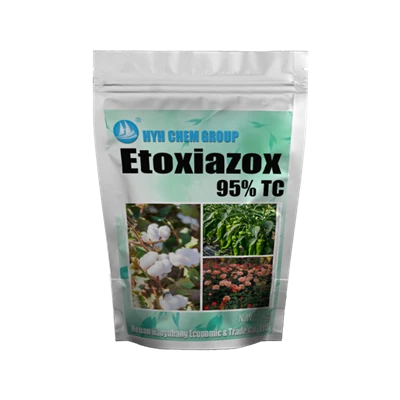
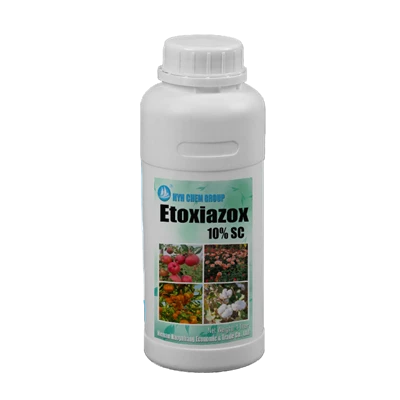
Difenoconazole is a broad-spectrum, highly effective, and systemic triazole fungicide


Main Targets
Difenoconazole can control a wide range of diseases. Here are some common examples:
Fruit Trees:
Banana: Leaf spot and scab.
Watermelon and melon: Anthracnose and vine blight.
Apples and pears: scab, powdery mildew, ring rot, and rust.
Citrus: scab, anthracnose, and scab.
Vegetables:
Peppers and tomatoes: Anthracnose, early blight, and powdery mildew.
Cucumbers: Powdery mildew and anthracnose.
Garlic and onions: Leaf blight and purple spot.
Grain and Oil Crops:
Wheat: Rust (stripe rust and leaf rust), powdery mildew, and glumem blight.
Rice: Sheath blight, blast (with some effectiveness), and seedling blight (often used as a seed treatment).
Peanuts: Leaf spot and rust.
Other:
Powdery mildew and rust of flowers, etc.


Features of Difenoconazole
1. Strong systemic activity: It is rapidly absorbed by the roots, stems, and leaves of plants and transported to all parts of the plant, making it effective against pathogens that have already invaded the plant.
2. Cure and Protect:
Protective effect: When applied before pathogens infect, it protects plants from disease.
Cure: When applied in the early stages of a disease, it kills established pathogens and prevents the spread of lesions.
Broad spectrum of activity: It has excellent efficacy against a variety of diseases caused by ascomycetes, basidiomycetes, and deuteromycetes.
3. Long-lasting effect: Because it is stable within the plant, its effectiveness persists for a long time.
Dosage form:
25%EC, 40%SC, 97%TC
Instructions:
Foliar spray: The most common method. Apply evenly at the early stages of a disease or before it develops.
Seed treatment: Used to control seed-borne and soil-borne diseases such as wheat loose smut and rice bakanae.
Root irrigation: Used to control some root diseases.
Precautions for the use of Difenoconazole
1. Toxic to fish and other aquatic organisms: Avoid contaminating water sources and fish ponds when applying the pesticide. Do not discharge wastewater from cleaning equipment into rivers or ponds.
2. Low toxicity to humans and mammals: Although this fungicide is classified as a low-toxic fungicide, safe handling procedures and the wearing of protective clothing and a mask are still required.
3. Potential risk of drug resistance: As a fungicide with a single site of action, long-term, single-use use can easily lead to the development of drug resistance in pathogens. Rotation or combination with fungicides with different mechanisms of action is strongly recommended.
4. Sensitive to certain crops: During the seedling stage and under high temperature and humidity conditions, the application concentration must be strictly controlled to avoid drug damage to tender crop tissues. Particular care is required when using this fungicide on cucurbits such as cucumbers and watermelons during the seedling stage.
5. Safety interval: Observe the safety interval regulations for different crops to ensure that residues on agricultural products do not exceed standards.