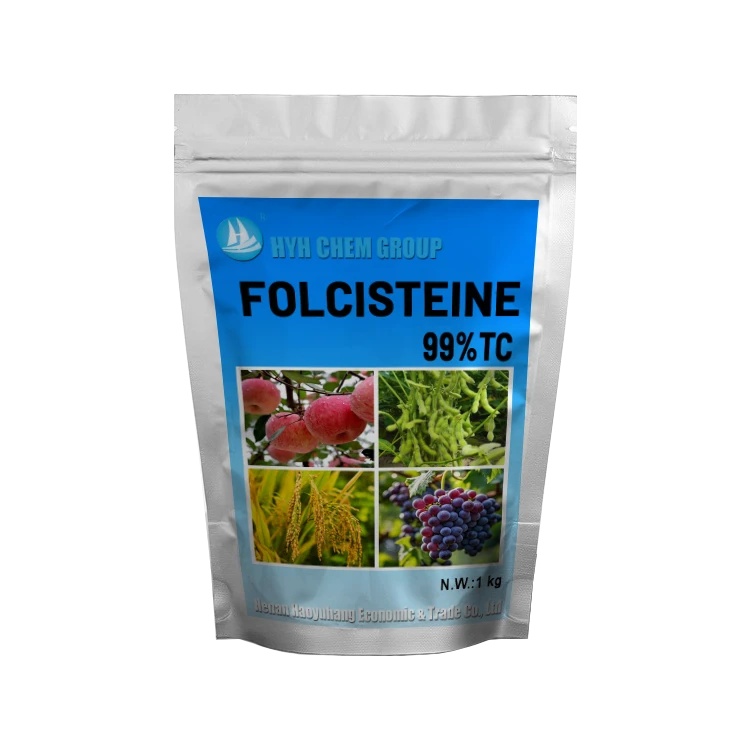
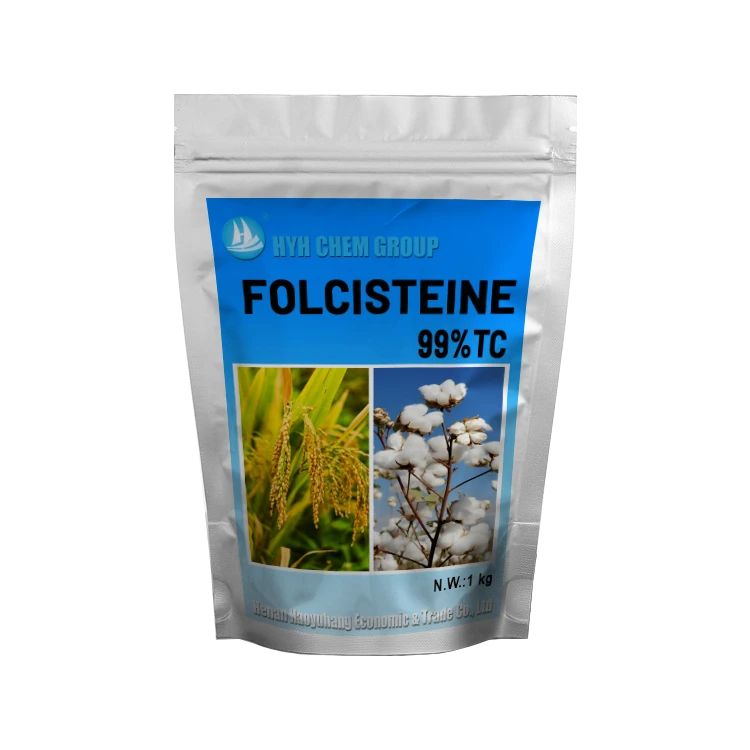
Seed Treatment: Low-Concentration Soaking Is the Most Reliable
The most solidly supported application scenario is seed soaking. A study on Shanghai green (pak choi) tested three concentration gradients-5, 10, and 15 mg/L-and found that 5 mg/L N-acetylthioproline performed best in improving germination rate and promoting root development, with germination energy reaching 96.00%, higher than both the benchmark γ-polyglutamic acid and the pure water control.
This points to a key takeaway: more is not better. The 15 mg/L treatment group actually had lower germination energy than the 5 mg/L group-even lower than the γ-polyglutamic acid control. For growers, if you decide to try it, starting low is safer than blindly increasing the dose.
Seedlings and Plant Height: Huge Differences Between Crops
In terms of promoting seedling-stage plant height, half-leaf element's performance fluctuates greatly depending on crop species. One study compared the effects of 25 mg/L half-leaf element on watermelon, tomato, and rice seedlings, with plant height increases of 75% for watermelon, 20.2% for tomato, and 10.3% for rice. Watermelon responded most strongly; rice was relatively modest.
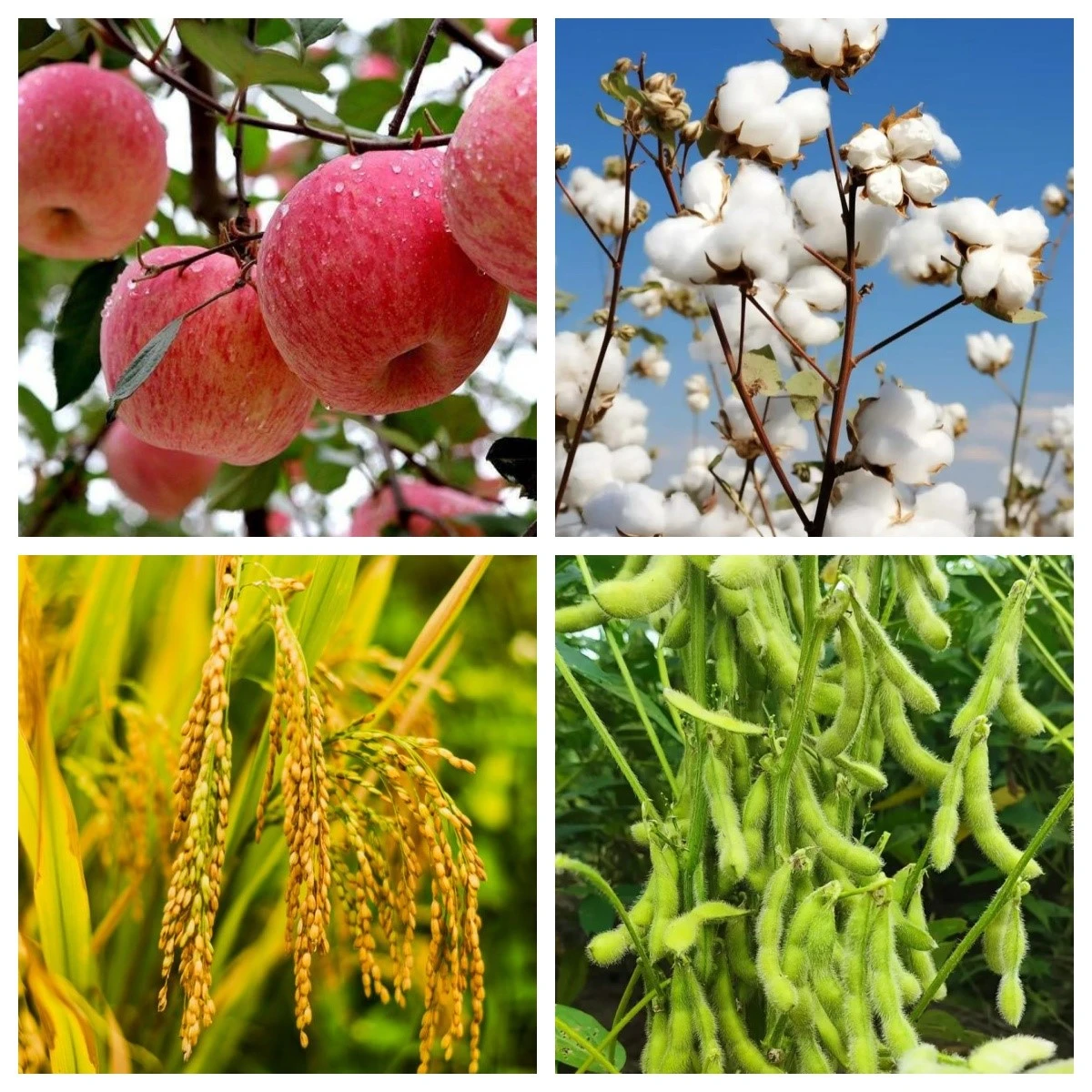
Beyond plant height, half-leaf element promotes dry matter accumulation-both fresh weight and dry weight increased significantly. This means it doesn't just make seedlings "look taller"-it genuinely affects the efficiency of matter accumulation.
Yield and Stress Resistance
Claims commonly found in commercial product literature include "preventing chlorophyll loss," "improving fruit set," and "serving as a biostimulant for foliar spraying in combination with folic acid." These claims align directionally with half-leaf element's biochemical role-as a sulfur-containing amino acid derivative, it participates in cellular osmotic regulation and redox balance, which theoretically helps crops maintain metabolic stability under stress conditions.
A combination of sodium salicylate and half-leaf element has been reported to alleviate salt stress damage in crops including wheat, rice, corn, soybean, and peanut. However, this is the effect of a compound formulation, and cannot be directly attributed to half-leaf element acting alone.
Practical Reminders for Use
If you want to try half-leaf element in agricultural production, two points deserve attention.
First, match concentration to the use scenario. For seed soaking to promote germination, 5 mg/L has data support in leafy vegetables; for seedling-stage growth promotion, some studies used 25 mg/L, but responses vary widely across crops-small-scale trials are recommended first.
Second, it is better suited as a "supplementary regulator" than a "primary input." Half-leaf element does not replace fertilizer. Its value lies in helping crops germinate more uniformly, grow stronger seedlings, and lose less ground under stress. Embedding it into existing seedling and field management workflows is more practical than expecting it alone to drive yield.
Summary
In agriculture, acetylthioproline has solid evidence for low-concentration seed soaking to promote germination in leafy vegetables, and stands out for seedling-stage plant height promotion in watermelon-though responses fluctuate considerably across crops.