


Hey there! As an ethephon supplier, I've had my fair share of questions about the regulations regarding ethephon use in food production. So, I thought I'd sit down and write this blog to share what I know.
First off, let's talk a bit about what ethephon is. Ethephon is a plant growth regulator. When it's applied to plants, it breaks down and releases ethylene, a natural plant hormone. Ethylene plays a crucial role in many plant processes, like ripening, abscission (the separation of leaves, flowers, or fruits from the plant), and senescence (the aging process in plants).
Now, onto the regulations. Different countries have their own sets of rules when it comes to using ethephon in food production. In the United States, the Environmental Protection Agency (EPA) is in charge of regulating pesticides and plant growth regulators, including ethephon. The EPA sets maximum residue limits (MRLs) for ethephon on various food crops. These MRLs are the maximum amount of a pesticide residue that's legally allowed to remain on or in food at the time of consumption.
For example, the EPA has established an MRL of 2 parts per million (ppm) for ethephon on tomatoes. This means that when tomatoes are tested, the amount of ethephon residue on them shouldn't exceed 2 ppm. If a food product has a higher level of ethephon residue than the established MRL, it can't be sold in the US market.
In the European Union, the European Food Safety Authority (EFSA) is responsible for assessing the safety of pesticides and setting MRLs. The EU also has strict regulations regarding the use of ethephon. They conduct risk assessments to make sure that the use of ethephon in food production is safe for consumers and the environment.
The regulations also cover how ethephon should be applied. For instance, there are guidelines on the timing of application. Applying ethephon too early or too late in the plant's growth cycle can have negative effects on the crop's quality and yield. There are also rules about the dosage. Using too much ethephon can lead to over - ripening, which may cause the fruits or vegetables to spoil quickly. And of course, proper application techniques are emphasized to ensure that the ethephon is evenly distributed on the plants.
It's important to note that these regulations are in place for a good reason. They're designed to protect consumers from potential health risks associated with pesticide residues. At the same time, they help farmers use ethephon in a way that's both effective and sustainable.
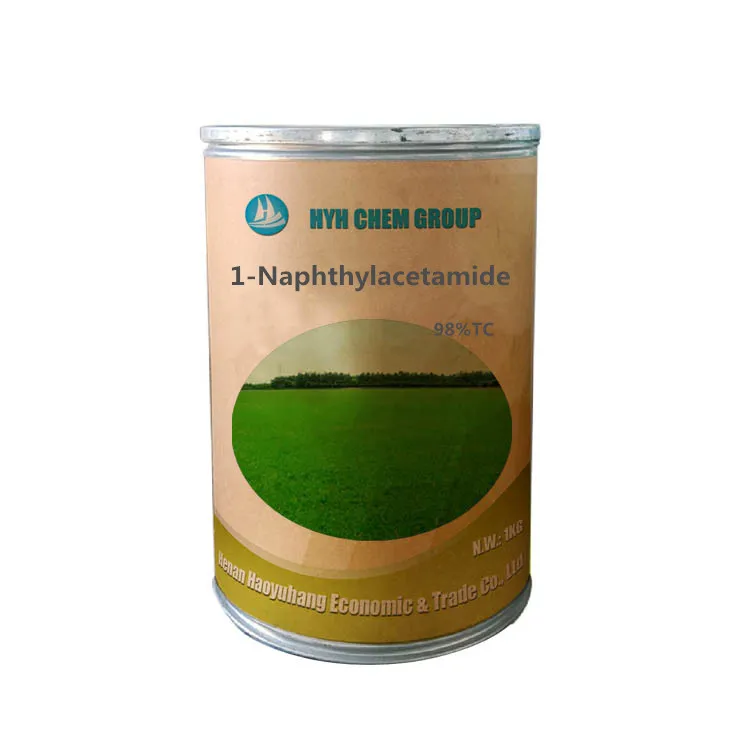
Now, let's compare ethephon with some other plant growth regulators. There's 1 - naphthylacetamide 2 - (1 - naphthyl) Acetamide 86 - 86 - 2 [1 - naphthylacetamide 2 - (1 - naphthyl) Acetamide 86 - 86 - 2](:/agrochemicals/plant - growth - regulator/86 - 86 - 2 - 1 - naphthylacetamide - 2 - 1 - naphthyl.html). It's also used as a plant growth regulator, but its mode of action is different from ethephon. While ethephon works by releasing ethylene, 1 - naphthylacetamide affects cell division and elongation in plants. The regulations for 1 - naphthylacetamide are also strict, with MRLs set for different crops just like for ethephon.
Another one is 4 - chlorophenoxyacetic Acid 122 - 88 - 3 [4 - chlorophenoxyacetic Acid 122 - 88 - 3](:/agrochemicals/plant - growth - regulator/122 - 88 - 3 - 4 - chlorophenoxyacetic - acid.html). It's used to promote fruit setting and prevent premature fruit drop. Similar to ethephon and 1 - naphthylacetamide, the use of 4 - chlorophenoxyacetic Acid is regulated to ensure its safety and effectiveness.
Sodium O - nitropenolate 824 - 39 - 5 [Sodium O - nitropenolate 824 - 39 - 5](:/agrochemicals/plant - growth - regulator/sodium - o - nitropenolate - 824 - 39 - 5.html) is yet another plant growth regulator. It can enhance plant growth, improve stress resistance, and increase crop yield. And like the others, there are specific regulations governing its use in food production.
As an ethephon supplier, I understand the importance of complying with these regulations. We work closely with farmers and other customers to make sure they're using ethephon in a way that meets all the legal requirements. We provide detailed instructions on how to use ethephon properly, including the right dosage, application timing, and safety precautions.
If you're a farmer or involved in food production and are considering using ethephon, it's crucial to familiarize yourself with the regulations in your area. You don't want to run into any legal issues or end up with a sub - standard crop. And that's where we come in. We're here to help you navigate through the regulations and make the most out of ethephon for your crops.
We've been in the business for a while, and we've built a reputation for providing high - quality ethephon products. Our ethephon is carefully formulated to ensure maximum effectiveness while still being compliant with all the relevant regulations. We also offer excellent customer support. If you have any questions about ethephon use, regulations, or anything else related to our products, our team is just a message or a call away.
Whether you're growing tomatoes, bananas, or any other fruit or vegetable that can benefit from ethephon, we can provide you with the right product and guidance. So, if you're interested in purchasing ethephon for your food production needs, don't hesitate to reach out. We'd love to have a chat with you and discuss how we can help you achieve better crop yields and quality.
In conclusion, the regulations regarding ethephon use in food production are there to protect consumers and ensure sustainable farming practices. As an ethephon supplier, we're committed to helping our customers comply with these regulations and make the best use of our products. If you're looking for a reliable ethephon supplier, give us a chance to prove ourselves. Contact us today, and let's start a great partnership in food production.
References

- United States Environmental Protection Agency (EPA) regulations on pesticides and plant growth regulators.
- European Food Safety Authority (EFSA) reports on the safety assessment of pesticides and MRL setting.


