


As a reliable ethephon supplier, I often encounter inquiries about the stability of ethephon under different pH conditions. Ethephon, chemically known as 2-chloroethylphosphonic acid, is a widely used plant growth regulator that releases ethylene upon decomposition. Understanding its stability across various pH levels is crucial for its effective application in agriculture.
Chemical Properties of Ethephon
Ethephon is a colorless to pale - yellow liquid or crystalline solid with a molecular formula of C₂H₆ClO₃P. It has a pKa value of around 1.9, which means it exists mainly in the protonated form in acidic solutions. In the presence of water, ethephon hydrolyzes to release ethylene gas, hydrochloric acid, and phosphoric acid. This hydrolysis reaction is the key to its function as a plant growth regulator, as ethylene is a natural plant hormone involved in many physiological processes such as fruit ripening, abscission, and senescence.
Stability in Acidic Conditions
In strongly acidic solutions (pH < 3), ethephon is relatively stable. The low pH suppresses the hydrolysis reaction because the high concentration of hydrogen ions shifts the equilibrium of the hydrolysis reaction to the left according to Le Chatelier's principle. For example, in a solution with a pH of 1 - 2, the rate of ethylene release from ethephon is very slow. This stability in acidic media allows for the formulation and storage of ethephon - based products. Many commercial ethephon formulations are acidic to ensure their long - term stability during transportation and storage.
However, even in acidic conditions, the stability is not absolute. Over time, especially at elevated temperatures, some hydrolysis may still occur. For instance, if an acidic ethephon solution is stored at 40°C for an extended period, a small amount of ethylene may be released, which could potentially affect the product's efficacy if not properly accounted for.
Stability in Neutral Conditions
At neutral pH (around pH 7), the hydrolysis of ethephon accelerates significantly. The neutral environment provides a suitable condition for the reaction between ethephon and water molecules. The rate of ethylene release is much faster compared to acidic conditions. In agricultural applications, when ethephon is sprayed on plants, the natural pH of the plant surface and the surrounding environment (which is often close to neutral) promotes the rapid release of ethylene, allowing for quick action on plant growth and development.
But this also means that ethephon solutions at neutral pH have a shorter shelf - life. If a neutral ethephon solution is prepared for application, it should be used promptly to ensure the maximum amount of ethephon is available to release ethylene on the plants.
Stability in Alkaline Conditions
In alkaline solutions (pH > 7), ethephon is highly unstable. The hydroxide ions in the alkaline solution react with ethephon, causing a very rapid hydrolysis reaction. This results in a sudden and large - scale release of ethylene. For example, in a solution with a pH of 9 - 10, ethephon may decompose almost instantaneously, releasing a large amount of ethylene gas.
This instability in alkaline conditions can be both an advantage and a disadvantage. On one hand, in some specific agricultural scenarios where a quick and intense ethylene release is required, an alkaline ethephon solution could be used. On the other hand, it makes it extremely difficult to formulate and store ethephon in alkaline media. If ethephon comes into contact with alkaline substances during storage or application, it can lead to premature decomposition and a loss of product efficacy.
Implications for Agricultural Use
The stability of ethephon under different pH conditions has significant implications for its use in agriculture. When formulating ethephon products, manufacturers need to carefully control the pH to ensure the product's stability during storage. Acidic formulations are commonly used to extend the product's shelf - life.
Farmers and agricultural workers also need to be aware of the pH of the water used for diluting ethephon and the pH of the plant surface. Using water with a high pH for dilution can cause premature decomposition of ethephon, reducing its effectiveness. Additionally, the application time and frequency may need to be adjusted based on the expected pH conditions in the field.

Our Product Range and Related Links
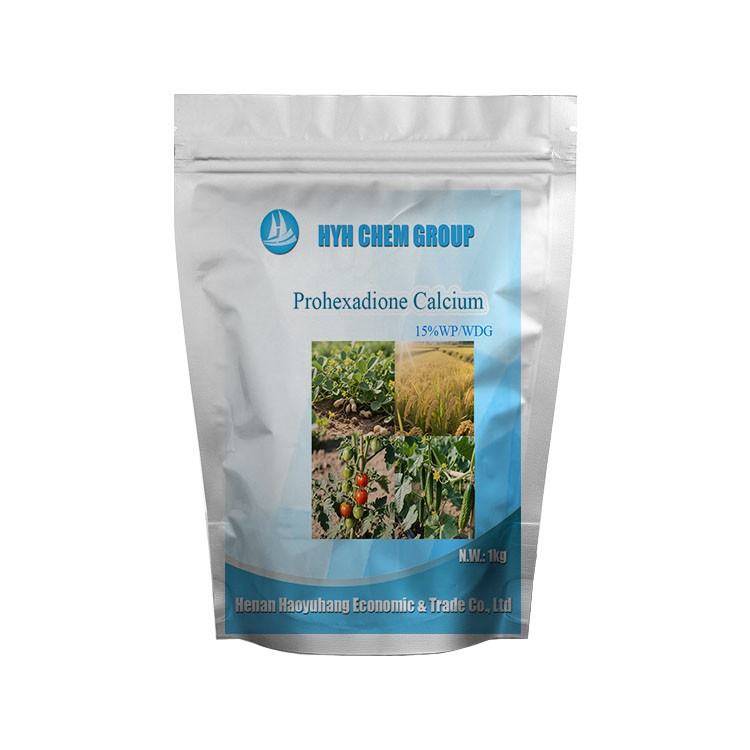
As a leading ethephon supplier, we not only offer high - quality ethephon products but also a wide range of other plant growth regulators. For example, you may be interested in our Plant Growth Regulator Brassinolide 95%TC Powder Brassinolide, which is known for its ability to enhance plant growth and stress resistance. Another popular product is 86 - 86 - 2 1 - Naphthylacetamide 98%TC Factory Price Hot Sale, which is effective in promoting root development. We also provide Precision Control Of Plant Growth Prohexadione Calcium 10%WP/WDG;15%WP/WDG;20%WP/WDG CAS No.127277 - 53 - 6 For Peanut And Rice., which can precisely regulate plant growth.
Contact for Purchase and Negotiation
If you are interested in our ethephon products or any of our other plant growth regulators, we welcome you to contact us for purchase and negotiation. We are committed to providing you with the best products and services to meet your agricultural needs.
References
- Arshad, M., & Frankenberger, W. T. (2002). Ethylene in plant biology. Springer.
- Yang, S. F., & Hoffman, N. E. (1984). Ethylene biosynthesis and its regulation in higher plants. Annual Review of Plant Physiology, 35(1), 155 - 189.
- Abeles, F. B., Morgan, P. W., & Saltveit, M. E. (1992). Ethylene in plant biology. Academic Press.


