


When it comes to protecting crops from fungal diseases, fungicides play a crucial role. As a fungicide supplier, I understand the importance of using these products safely and effectively. In this blog post, I'll share some essential precautions to take when using fungicides to ensure optimal results while minimizing risks to human health and the environment.
1. Read and Follow the Label Instructions
The first and most important precaution is to carefully read and follow the label instructions provided by the fungicide manufacturer. The label contains vital information about the product's active ingredients, application rates, safety precautions, and recommended use. It is a legal requirement to use the fungicide in accordance with the label directions.
The label will specify the target diseases, the crops or plants the fungicide can be used on, and the appropriate application methods. It will also provide instructions on the correct dosage, mixing procedures, and the frequency of application. Ignoring these instructions can lead to ineffective treatment, crop damage, or even pose a risk to human health and the environment.
2. Wear Appropriate Personal Protective Equipment (PPE)
When handling and applying fungicides, it is essential to wear the appropriate personal protective equipment (PPE). This helps to minimize the risk of exposure to the chemicals and reduces the chances of skin contact, inhalation, or ingestion.
Typical PPE for fungicide use includes gloves, goggles or safety glasses, a long-sleeved shirt, long pants, and a respirator if required. Gloves should be made of a chemical-resistant material, such as nitrile or neoprene, to prevent the fungicide from seeping through. Goggles or safety glasses protect the eyes from splashes and airborne particles.
A respirator is necessary when working in an area with poor ventilation or when applying fungicides in a fine mist or dust form. Choose a respirator that is approved for use with pesticides and follow the manufacturer's instructions for proper fitting and use.
3. Choose the Right Fungicide for the Target Disease
Not all fungicides are effective against all types of fungal diseases. It is important to accurately identify the disease affecting your crops and choose a fungicide that is specifically formulated to control that particular pathogen.
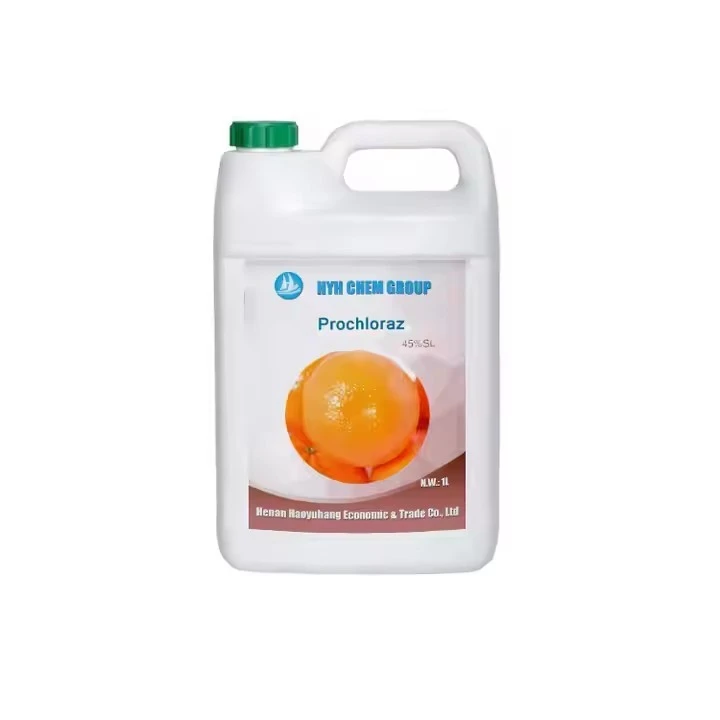
Some fungicides are broad-spectrum, meaning they can control a wide range of fungal diseases, while others are more selective and target specific pathogens. For example, Tebuconazole 70% WP CAS No. 107534-96-3 is a systemic fungicide that is effective against a variety of diseases, including rusts, powdery mildews, and leaf spots. On the other hand, Prochloraz 95%TC: Effective Fungicide For Agriculture And Horticulture is mainly used to control diseases in fruits, vegetables, and ornamental plants.
Consult with a local agricultural extension service, a crop consultant, or the fungicide supplier for advice on the most appropriate fungicide for your specific situation. They can help you select the right product based on the disease pressure, the crop type, and the environmental conditions.
4. Apply Fungicides at the Right Time
Timing is crucial when it comes to fungicide application. Applying fungicides too early or too late can reduce their effectiveness and may not provide adequate disease control.

Fungal diseases often have specific infection periods and development stages. It is important to apply the fungicide during the susceptible stage of the crop or at the early onset of the disease. This allows the fungicide to protect the plant before the fungus has a chance to establish and cause significant damage.
Some fungicides are preventive, meaning they need to be applied before the disease appears to protect the plant from infection. Others are curative and can be used to control an existing infection. Make sure you understand the mode of action of the fungicide you are using and apply it accordingly.
Monitor your crops regularly for signs of disease, such as discoloration, spots, or mold growth. Keep a record of the disease incidence and severity, as well as the weather conditions, to help you determine the best time to apply the fungicide.
5. Use the Correct Application Method
The application method can also affect the effectiveness of the fungicide. Different fungicides may require different application techniques, such as spraying, dusting, or soil drenching.
Spraying is the most common method of fungicide application. It allows for even coverage of the plant surface and ensures that the fungicide reaches the target area. When spraying, use a calibrated sprayer to ensure that the correct amount of fungicide is applied. Adjust the sprayer settings, such as the nozzle type, pressure, and spray volume, according to the label instructions.
Dusting involves applying a fine powder of the fungicide to the plant surface. This method is often used for small-scale applications or in situations where spraying is not practical. However, dusting can be less effective than spraying and may require more frequent applications.
Soil drenching is used to apply fungicides to the soil around the plant roots. This method is commonly used for controlling soil-borne diseases. When soil drenching, make sure the fungicide is evenly distributed in the soil and reaches the root zone.
6. Avoid Drift and Contamination
Fungicide drift can occur when the spray or dust particles are carried by the wind to non-target areas. This can pose a risk to nearby crops, wildlife, and the environment. To minimize drift, avoid applying fungicides on windy days or when the wind speed is too high.
Use drift-reducing nozzles and techniques, such as low-pressure spraying or electrostatic spraying, to reduce the amount of fine droplets that can be carried by the wind. Make sure to follow the buffer zone requirements specified on the fungicide label to protect sensitive areas, such as water bodies, residential areas, and bee colonies.
In addition, take precautions to prevent contamination of water sources, such as rivers, lakes, and wells. Avoid applying fungicides near water bodies or during periods of heavy rainfall. Do not wash spray equipment or dispose of excess fungicide in or near water sources.
7. Store and Dispose of Fungicides Properly
Proper storage and disposal of fungicides are essential to prevent accidents and protect the environment. Store fungicides in a cool, dry, and well-ventilated area, away from children, pets, and food. Keep the fungicides in their original containers with the labels intact.
Do not store fungicides near heat sources or flammable materials. Check the expiration date of the fungicide regularly and discard any expired or damaged products.
When disposing of fungicides, follow the local regulations and guidelines. Do not pour unused fungicide down the drain or into the trash. Instead, contact your local waste management facility or agricultural extension service for information on proper disposal methods.
8. Rotate Fungicides to Prevent Resistance
Fungal pathogens can develop resistance to fungicides over time if the same product is used repeatedly. To prevent resistance, it is important to rotate between different fungicides with different modes of action.
Using a rotation strategy helps to reduce the selection pressure on the fungus and ensures that the fungicide remains effective in the long term. Choose fungicides from different chemical classes and alternate their use according to a pre-planned schedule.
For example, if you have been using a fungicide from the triazole class, switch to a fungicide from the strobilurin class or another chemical group for the next application. This helps to prevent the fungus from adapting to the same mode of action and maintains the effectiveness of the fungicide.
9. Train and Educate Workers
If you have employees or workers who will be handling and applying fungicides, it is important to provide them with proper training and education. Make sure they understand the safety precautions, the correct application methods, and the potential risks associated with fungicide use.
Provide training on the use of personal protective equipment, the handling and mixing of fungicides, and the emergency procedures in case of accidental exposure. Encourage workers to ask questions and seek clarification if they are unsure about any aspect of fungicide use.
Keep a record of the training provided to each worker, including the date, the topics covered, and the names of the trainers. This documentation can be useful for compliance purposes and to demonstrate that you have taken appropriate measures to ensure the safety of your workers.
10. Monitor and Evaluate the Results
After applying the fungicide, it is important to monitor the results and evaluate the effectiveness of the treatment. Check your crops regularly for signs of disease control, such as reduced symptoms, improved plant health, and increased yield.
Compare the treated areas with the untreated areas to assess the impact of the fungicide. Keep a record of the disease incidence and severity, as well as the yield data, to help you determine the effectiveness of the treatment over time.
If you are not satisfied with the results, consult with a professional or the fungicide supplier to identify the possible reasons and make any necessary adjustments to your fungicide program. They can help you troubleshoot the problem and recommend alternative products or application methods.
In conclusion, using fungicides safely and effectively requires careful planning, proper application, and ongoing monitoring. By following these precautions, you can protect your crops from fungal diseases, minimize the risks to human health and the environment, and ensure a successful harvest. If you have any questions or need further assistance with fungicide selection or use, please feel free to contact us. We are here to help you make the best decisions for your agricultural needs.
References
- "Fungicide Safety and Use." University of California Agriculture and Natural Resources.
- "Pesticide Safety Education Program." United States Environmental Protection Agency.
- "Guidelines for Fungicide Use in Agriculture." International Organization for Biological and Integrated Control of Noxious Animals and Plants.


