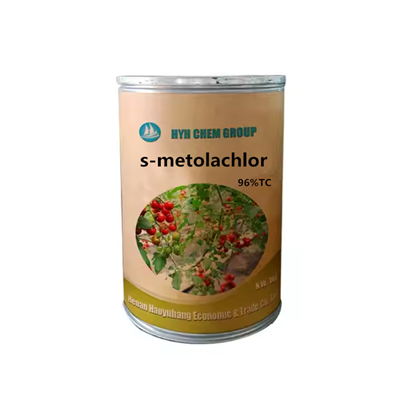
The long - term use of herbicides is a topic of increasing concern in modern agriculture and environmental science. As a herbicide supplier, I've witnessed firsthand the numerous benefits that these products bring to the agricultural industry. However, it's also crucial to understand the potential long - term effects associated with their use.


Environmental Impacts
One of the most significant long - term effects of herbicide use is on soil health. Herbicides can disrupt the natural balance of soil microorganisms. These microorganisms play a vital role in soil fertility, as they are involved in processes such as nutrient cycling and decomposition of organic matter. For example, certain herbicides can reduce the population of beneficial bacteria and fungi that help break down complex organic compounds into simpler forms that plants can absorb. Over time, this can lead to a decline in soil fertility, requiring farmers to use more fertilizers to maintain crop yields.
The impact on water quality is another major concern. When herbicides are applied to fields, they can be washed off with rainwater or irrigation water into nearby water bodies. Some herbicides are persistent in the environment and can accumulate in rivers, lakes, and groundwater. This can have a detrimental effect on aquatic ecosystems. Aquatic plants, which form the base of the food chain in water bodies, can be damaged or killed by herbicide contamination. This, in turn, can affect the entire food web, leading to a decline in fish and other aquatic organisms. For instance, Glyphosate 68%SG Herbicide, a widely used herbicide, has been detected in water sources in many agricultural regions. Studies have shown that high levels of glyphosate in water can have negative impacts on the development and survival of amphibians and fish larvae.
Impact on Non - Target Plants
Herbicide use can also have long - term effects on non - target plants. Drift is a common problem during herbicide application. Even when herbicides are applied carefully, small droplets can be carried by the wind and land on nearby non - target plants. This can cause damage to native plants, wildflowers, and trees. In some cases, the decline of native plant species can lead to a loss of biodiversity. Non - target plants provide important habitats and food sources for many insects, birds, and other wildlife. When these plants are damaged or destroyed, it can disrupt the entire ecosystem.
Some herbicides have a persistent effect on the soil, which can prevent the germination and growth of non - target plants for an extended period. For example, CAS 128639 - 02 - 1 Carfentrazone - ethyl 95%TC Herbicide can remain in the soil for several months, affecting the growth of plants in subsequent seasons. This can have a cascading effect on the ecosystem, as it can change the composition of plant communities and disrupt the relationships between plants and other organisms.
Development of Herbicide - Resistant Weeds
Perhaps one of the most pressing long - term issues related to herbicide use is the development of herbicide - resistant weeds. When herbicides are used repeatedly, weeds are exposed to a constant selective pressure. Over time, some weed populations can develop genetic mutations that make them resistant to the herbicide. Once these resistant weeds emerge, they can spread rapidly, as they have a competitive advantage over non - resistant weeds in an environment where the herbicide is being used.
This phenomenon has significant implications for agriculture. Farmers may need to use higher doses of herbicides or switch to different herbicides to control resistant weeds. This not only increases the cost of weed management but also can exacerbate the environmental impacts associated with herbicide use. For example, Herbicide Tribenuron - methyl 95%TC CAS 101200 - 48 - 0 has been used extensively in many regions, and in some areas, resistant weed populations have emerged, forcing farmers to adopt more complex and costly weed control strategies.
Human Health Concerns
The long - term effects of herbicide use on human health are also a subject of ongoing research. Some herbicides have been linked to various health problems, including cancer, neurological disorders, and reproductive issues. For example, glyphosate has been classified as a "probable human carcinogen" by the International Agency for Research on Cancer (IARC). Although the classification is controversial and other regulatory agencies have different views, it highlights the potential risks associated with herbicide exposure.
Farmers and agricultural workers are at the highest risk of herbicide exposure, as they are in direct contact with these chemicals during application. However, the general public can also be exposed to herbicides through contaminated food and water. Residues of herbicides can be found on fruits, vegetables, and grains, and in some cases, these residues can exceed the maximum allowable limits.
Mitigating the Long - Term Effects
As a herbicide supplier, I understand the importance of addressing these long - term effects. There are several strategies that can be employed to mitigate the negative impacts of herbicide use. Integrated Weed Management (IWM) is one such approach. IWM combines the use of herbicides with other weed control methods, such as mechanical cultivation, crop rotation, and the use of cover crops. By diversifying weed control methods, the reliance on herbicides can be reduced, which in turn can minimize the development of herbicide - resistant weeds and the environmental impacts associated with herbicide use.
Another important aspect is the development and use of more environmentally friendly herbicides. Research is ongoing to develop herbicides that are more specific in their action, have a shorter persistence in the environment, and are less toxic to non - target organisms. Additionally, proper training for farmers and agricultural workers on the safe and correct use of herbicides is essential. This includes following application rates, using appropriate protective equipment, and understanding the environmental and health risks associated with herbicide use.
Conclusion
While herbicides have played a crucial role in modern agriculture by increasing crop yields and reducing labor costs, it's essential to be aware of their long - term effects. The environmental impacts, development of herbicide - resistant weeds, and potential human health concerns are all issues that need to be addressed. As a herbicide supplier, I am committed to promoting the responsible use of our products and to supporting research and initiatives that aim to minimize the negative effects of herbicide use.
If you are interested in learning more about our herbicide products or discussing sustainable weed control solutions, we welcome you to engage in a procurement discussion. We are dedicated to providing high - quality herbicides that meet the needs of farmers while also considering the long - term well - being of the environment and human health.
References
- International Agency for Research on Cancer. (2015). Monographs on the Evaluation of Carcinogenic Risks to Humans: Volume 112, Some Organophosphate Insecticides and Herbicides.
- Duke, S. O., & Powles, S. B. (2008). Glyphosate: A once - in - a - century herbicide. Pest Management Science, 64(4), 319 - 325.
- Heap, I. (2021). International Survey of Herbicide Resistant Weeds. Available at: http://www.weedscience.org/