


Hey there! As a supplier of Daminozide, I often get asked a bunch of questions about this product. One question that pops up more than I'd expect is, "Is Daminozide allergenic?" Let's dig deep into this topic and find out what's what.
First off, let me give you a bit of background on Daminozide. It's a plant growth regulator that's been used in agriculture for ages. You see, farmers want to control the growth of their crops, make them look better, and sometimes even improve their storage life. That's where Daminozide comes in. It helps with things like promoting fruit color, reducing pre - harvest fruit drop, and making trees more compact.
But when it comes to the allergenic aspect, things get a bit more complicated. Allergies are a big deal. People can be allergic to all sorts of things - from peanuts to pollen. So, it's only natural that there'd be concerns about whether Daminozide can cause allergic reactions.
To figure out if Daminozide is allergenic, we need to look at the science. There haven't been a ton of large - scale studies specifically focused on the allergenic potential of Daminozide. However, based on what we do know about its chemical structure and how it interacts with the human body, we can make some educated guesses.
Daminozide has a relatively simple chemical structure. It's not one of those complex organic compounds that tend to trigger allergic responses very easily. For a substance to be allergenic, it usually has to have certain properties. It needs to be able to penetrate the skin or mucous membranes and then interact with the immune system in a way that causes it to overreact.
In laboratory tests, Daminozide hasn't shown a strong tendency to bind to proteins in a way that would typically lead to an allergic reaction. Proteins are often the key players in allergic responses. When a foreign substance binds to a protein, the immune system can mistake it for a threat and start producing antibodies. But Daminozide doesn't seem to do this as readily as some well - known allergens.
However, that doesn't mean there's no risk at all. Everyone's immune system is different. There could be individuals out there who have a unique sensitivity to Daminozide. Maybe they have a genetic predisposition that makes them more likely to react to it. And in real - world situations, people are exposed to Daminozide in different ways.
Farmers who handle Daminozide directly during application are at a higher risk of exposure. They might inhale the dust or get it on their skin. If they have sensitive skin, there could be a chance of a local reaction like itching or redness. But these kinds of reactions aren't necessarily full - blown allergies. They could just be irritations caused by direct contact with the chemical.
Consumers, on the other hand, are exposed to Daminozide in trace amounts through the food they eat. The levels allowed in food are strictly regulated. Authorities around the world set maximum residue limits (MRLs) for Daminozide in agricultural products. As long as farmers follow these rules, the amount of Daminozide that makes it into our system is extremely low. And at these low levels, the likelihood of an allergic reaction is pretty slim.
Now, let's talk about some of the other plant growth regulators in the market. For example, Brassinolide 0.1%WSG High Quality China Factory CAS 72962 - 43 - 7 is another popular option. It has a different chemical structure and mode of action compared to Daminozide. It's known for promoting cell elongation and division in plants, which can lead to increased yields and better - quality crops. But just like with Daminozide, there are questions about its safety and potential allergenicity.
Then there's Sodium 5 - nitroguaiacolate 636 - 93 - 1. This compound is used to enhance plant growth and development. It works by regulating plant hormones and improving nutrient uptake. While it's generally considered safe for use in agriculture, we still need to be aware of any potential allergic risks.
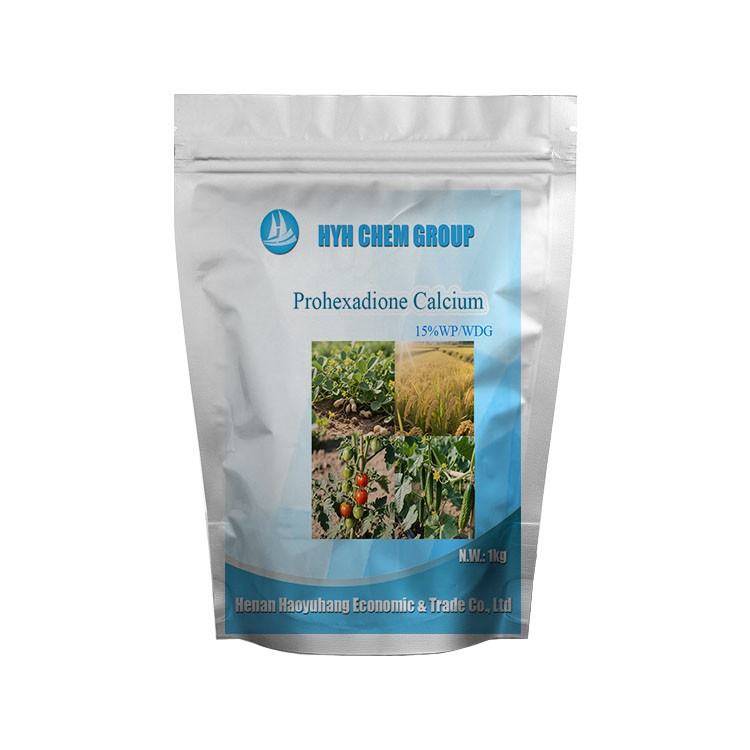
And Precision Control Of Plant Growth Prohexadione Calcium 10%WP/WDG;15%WP/WDG;20%WP/WDG CAS No.127277 - 53 - 6 For Peanut And Rice. is designed to give farmers more control over the growth of specific crops like peanuts and rice. It's a targeted solution, but again, we need to understand its impact on human health, including the possibility of allergic reactions.
So, to sum it all up, the question of whether Daminozide is allergenic doesn't have a clear - cut answer. Based on the current scientific evidence, the risk of a full - blown allergy is relatively low, especially at the levels typically found in processed foods. But there's always a small chance that some individuals might have a unique reaction.
If you're a farmer or involved in the agricultural industry, it's important to follow all safety guidelines when handling Daminozide. Wear protective gear like gloves and masks to minimize direct contact. And if you or anyone you know experiences any unusual symptoms after handling or consuming products that might contain Daminozide, it's a good idea to consult a doctor.

If you're interested in purchasing Daminozide or any of our other plant growth regulators, we're here to help. We've got a wide range of high - quality products that can meet your agricultural needs. Whether you're looking to boost the growth of your crops or improve their overall quality, we've got solutions for you. Reach out to us to start a conversation about your requirements and let's work together to find the best products for your farm.
References
- Scientific literature on plant growth regulators and their safety profiles.
- Reports from agricultural regulatory authorities on maximum residue limits of Daminozide.


