


Hey there! As a DDVP (Dichlorvos) supplier, I've seen a fair share of concerns regarding DDVP poisoning. It's a serious issue, and I think it's super important to spread the word on how to handle it properly. So, let's dive right in and talk about how to treat DDVP poisoning.
First off, let me give you a bit of background on DDVP. It's a pretty common insecticide that's used in a bunch of places, like farms, homes, and even some industrial settings. It works great at getting rid of pests, but it can be really dangerous if a person gets exposed to too much of it.
The symptoms of DDVP poisoning can vary depending on how a person was exposed and how much they were exposed to. Usually, people might start feeling dizzy, have headaches, or feel nauseous. They could also have trouble breathing, their eyes might water a lot, and they might even start vomiting. In more severe cases, it can lead to seizures, loss of consciousness, and even death. So, it's no joke.
If you suspect someone has DDVP poisoning, the very first thing you need to do is get them away from the source of the exposure. If they were in a room where DDVP was being used, get them outside into fresh air right away. If the DDVP got on their skin, take off any contaminated clothes and wash the affected area with plenty of soap and water for at least 15 minutes. If it got in their eyes, rinse their eyes gently with clean water for about 15 - 20 minutes.
Once you've done the initial first - aid steps, it's crucial to call for medical help immediately. Don't try to handle it on your own, especially if the symptoms are severe. The medical team will have the proper equipment and knowledge to deal with the poisoning. They'll likely start by assessing the patient's condition, checking their vital signs like heart rate, blood pressure, and breathing.
One of the main treatments for DDVP poisoning is the use of atropine. Atropine helps to counteract the effects of DDVP on the body's nervous system. It can help reduce symptoms like excessive sweating, salivation, and difficulty breathing. The doctor will give the appropriate dose of atropine based on the patient's condition.
Another important treatment is pralidoxime. This drug helps to re - activate an enzyme called acetylcholinesterase, which is inhibited by DDVP. By re - activating this enzyme, it can help the body break down the DDVP and reduce the poisoning effects.
During the treatment process, the medical team will also keep a close eye on the patient's fluid and electrolyte balance. DDVP poisoning can cause a lot of sweating and vomiting, which can lead to dehydration and imbalances in the body's electrolytes. So, they'll give the patient fluids through an IV to keep them hydrated and maintain the right balance of electrolytes.
Now, I know some of you might be thinking about the safety of using DDVP in the first place. Well, when used correctly, DDVP is a very effective insecticide. But it's really important to follow all the safety guidelines. Always wear protective gear like gloves, masks, and goggles when handling DDVP. Make sure the area where you're using it is well - ventilated.
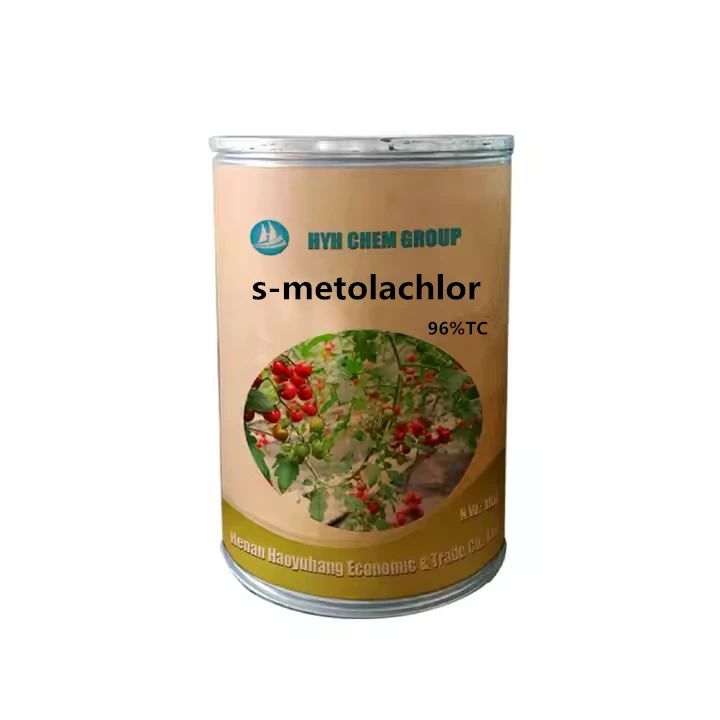
As a DDVP supplier, I also offer a range of other high - quality insecticides. For example, we have S-metolachlor 87392-12-9 S-METOLACHLOR. It's a great option for controlling certain types of pests in agricultural settings. Another product we have is Flonicamid CAS 158062-67-0, which is effective against a variety of insects. And if you're looking for an insecticide like Insecticide Emamectin Benzoate 70%TC 95%TC 5%WG 30%WG 5%ME, we've got you covered too.
If you're in the market for high - quality insecticides, whether it's DDVP or any of our other products, don't hesitate to reach out. We're here to help you find the best solutions for your pest control needs. We can offer advice on the right product for your specific situation, and we'll make sure you get the best deal possible.
In conclusion, DDVP poisoning is a serious matter, but with the right knowledge and prompt treatment, the chances of a full recovery are good. Remember, safety first when using any insecticide. And if you have any questions about our products or need more information on pest control, feel free to start a conversation with us. We're always happy to chat and help you out.
References

- Agency for Toxic Substances and Disease Registry. (2002). Toxicological Profile for Dichlorvos.
- World Health Organization. (2010). The WHO Recommended Classification of Pesticides by Hazard and Guidelines to Classification.


