


Mites are tiny arthropods that can cause significant damage to plants, animals, and even humans. As an insecticide supplier, I've witnessed firsthand the havoc these pests can wreak and the importance of effective control measures. In this blog, I'll delve into how insecticides work on mites, exploring the various modes of action and the key factors that influence their effectiveness.
Understanding Mites
Before we dive into how insecticides work, it's essential to understand the biology and behavior of mites. Mites belong to the class Arachnida, which also includes spiders and ticks. They are incredibly diverse, with over 48,000 known species, and can be found in almost every habitat on Earth. Some mites are beneficial, such as those that help decompose organic matter, while others are pests that feed on plants, animals, or humans.
Plant-feeding mites, such as spider mites and rust mites, can cause extensive damage to crops, ornamental plants, and trees. They pierce the plant cells with their mouthparts and suck out the contents, leading to discoloration, stunted growth, and even death. Animal-feeding mites, like scabies mites and mange mites, can cause skin irritation, hair loss, and other health problems in livestock, pets, and humans.
Modes of Action of Insecticides on Mites
Insecticides work on mites through several different modes of action, each targeting specific physiological processes or structures in the mite's body. Here are some of the most common modes of action:
1. Neurotoxicity
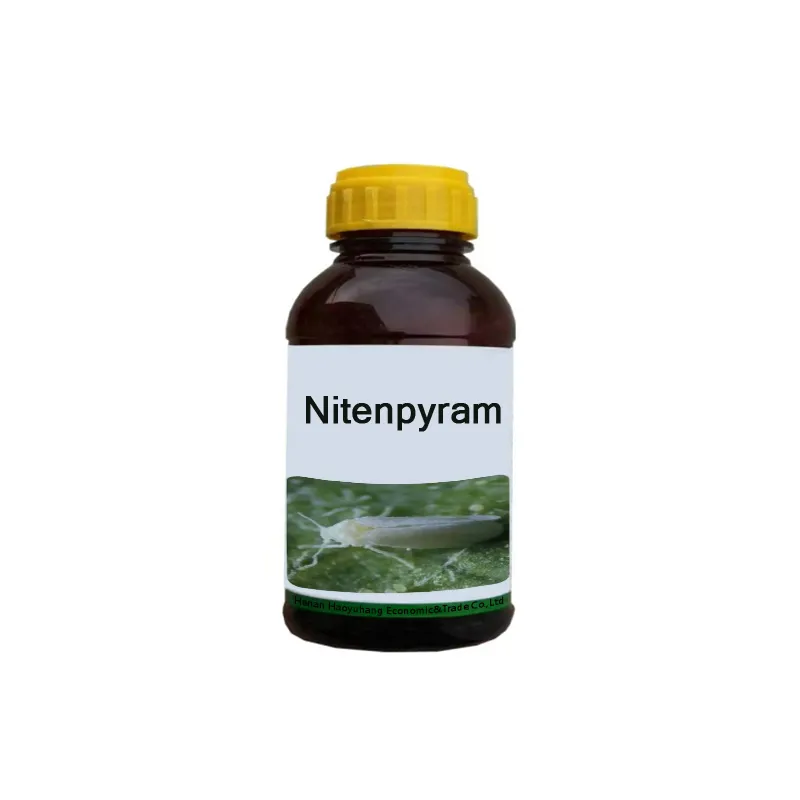
Many insecticides, including Nitenpyram 150824 - 47 - 8, act as neurotoxins. They interfere with the normal functioning of the mite's nervous system, disrupting the transmission of nerve impulses. These insecticides typically target specific receptors or enzymes in the nerve cells, such as acetylcholinesterase or nicotinic acetylcholine receptors.
When a mite comes into contact with a neurotoxic insecticide, the chemical binds to these receptors or enzymes, preventing the normal breakdown or binding of neurotransmitters. This leads to an accumulation of neurotransmitters in the synapses, causing overstimulation of the nerve cells. As a result, the mite experiences muscle spasms, paralysis, and eventually death.
2. Growth Regulation
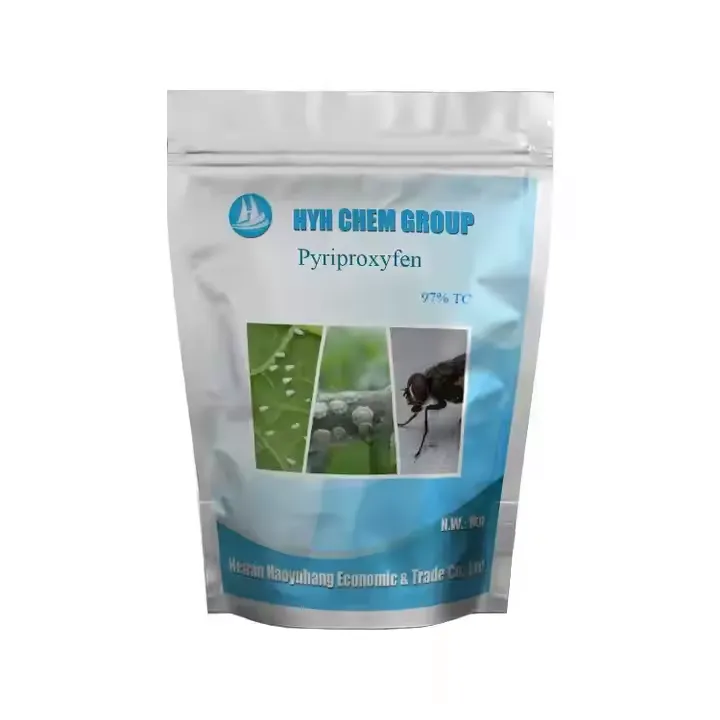
Insect growth regulators (IGRs) are a class of insecticides that target the mite's growth and development. Pyriproxyfen 95737 - 68 - 1 is an example of an IGR. These insecticides mimic the action of natural hormones in the mite's body, such as juvenile hormone or ecdysone, which are responsible for regulating molting, metamorphosis, and reproduction.
IGRs can disrupt the normal development of mites in several ways. They can prevent the mite from molting properly, leading to abnormal growth and death. They can also interfere with the production of eggs or sperm, reducing the mite's reproductive capacity. IGRs are often used in combination with other insecticides to provide long - term control of mite populations.
3. Respiratory Toxicity
Some insecticides work by interfering with the mite's respiratory system. These chemicals target the enzymes or proteins involved in the process of respiration, such as cytochrome oxidase or succinate dehydrogenase. When a mite is exposed to a respiratory toxic insecticide, the chemical inhibits these enzymes, preventing the normal production of energy in the form of ATP.
Without sufficient energy, the mite's cells cannot function properly, leading to paralysis and death. Respiratory toxic insecticides are often effective against mites that are resistant to other modes of action, as they target a different physiological process.
4. Cuticular Disruption
The cuticle is the outer protective layer of the mite's body. Some insecticides, such as oils and soaps, work by disrupting the cuticle. These chemicals can dissolve the waxes and lipids in the cuticle, making it more permeable to water and other substances.
When the cuticle is disrupted, the mite loses water and vital nutrients, leading to dehydration and death. Cuticular - disrupting insecticides are often considered to be more environmentally friendly than other types of insecticides, as they have a low toxicity to non - target organisms and break down quickly in the environment.
Factors Affecting the Effectiveness of Insecticides on Mites
Several factors can influence the effectiveness of insecticides on mites. Understanding these factors is crucial for choosing the right insecticide and applying it correctly.
1. Mite Species and Life Stage
Different mite species have different levels of susceptibility to insecticides. Some mites may have developed resistance to certain insecticides over time, making them more difficult to control. Additionally, the life stage of the mite can also affect its susceptibility to insecticides. For example, eggs and pupae are often more resistant to insecticides than adult mites, as they have a protective outer layer or are in a dormant state.
2. Insecticide Formulation and Application Method
The formulation of the insecticide can have a significant impact on its effectiveness. Insecticides are available in various formulations, such as emulsifiable concentrates, wettable powders, dusts, and aerosols. Each formulation has its own advantages and disadvantages, and the choice of formulation depends on the target mite species, the application site, and the equipment available.
The application method is also important. Insecticides can be applied by spraying, dusting, dipping, or fumigation. The method of application should ensure that the insecticide is evenly distributed over the target area and that the mites are exposed to an effective dose of the chemical.
3. Environmental Conditions
Environmental conditions, such as temperature, humidity, and sunlight, can affect the performance of insecticides. Some insecticides are more effective at certain temperatures or humidity levels. For example, oils and soaps are often more effective in warm, dry conditions, as they can evaporate more quickly and penetrate the mite's cuticle more easily.
Sunlight can also degrade some insecticides, reducing their effectiveness. Therefore, it is important to apply insecticides at the appropriate time of day and under the right environmental conditions.
Our Insecticide Products for Mite Control
As an insecticide supplier, we offer a wide range of high - quality insecticides for mite control. Our Insecticide Nitenpyram 10% SP CAS 150824 - 47 - 8 is a highly effective neurotoxic insecticide that provides rapid knockdown and long - lasting control of mites. It has a broad spectrum of activity against various mite species and is suitable for use in agricultural, horticultural, and residential settings.
We also offer a range of IGRs, including Pyriproxyfen 95737 - 68 - 1, which can be used to control mite populations by disrupting their growth and development. Our products are formulated using the latest technology and are carefully tested to ensure their safety and effectiveness.
Contact Us for Mite Control Solutions
If you are facing a mite problem and need an effective solution, we are here to help. Our team of experts can provide you with personalized advice on the best insecticide products for your specific situation. We can also offer guidance on the proper application methods and safety precautions to ensure the successful control of mites.
Don't let mites damage your crops, harm your animals, or cause discomfort in your home. Contact us today to discuss your mite control needs and start a procurement negotiation. We are committed to providing you with the highest quality insecticides and excellent customer service.
References
- Ware, G. W., & Whitacre, D. M. (2004). The Pesticide Book. Thomson Publications.
- Van Leeuwen, T., Dermauw, W., & Tirry, L. (2010). Acaricide resistance in tetranychid mites: a review. Pest Management Science, 66(10), 1049 - 1069.
- Ishaaya, I., & Horowitz, A. R. (1998). Insect growth regulators: selectivity and use in integrated pest management. In Integrated Pest Management (pp. 139 - 160). Springer, Dordrecht.


