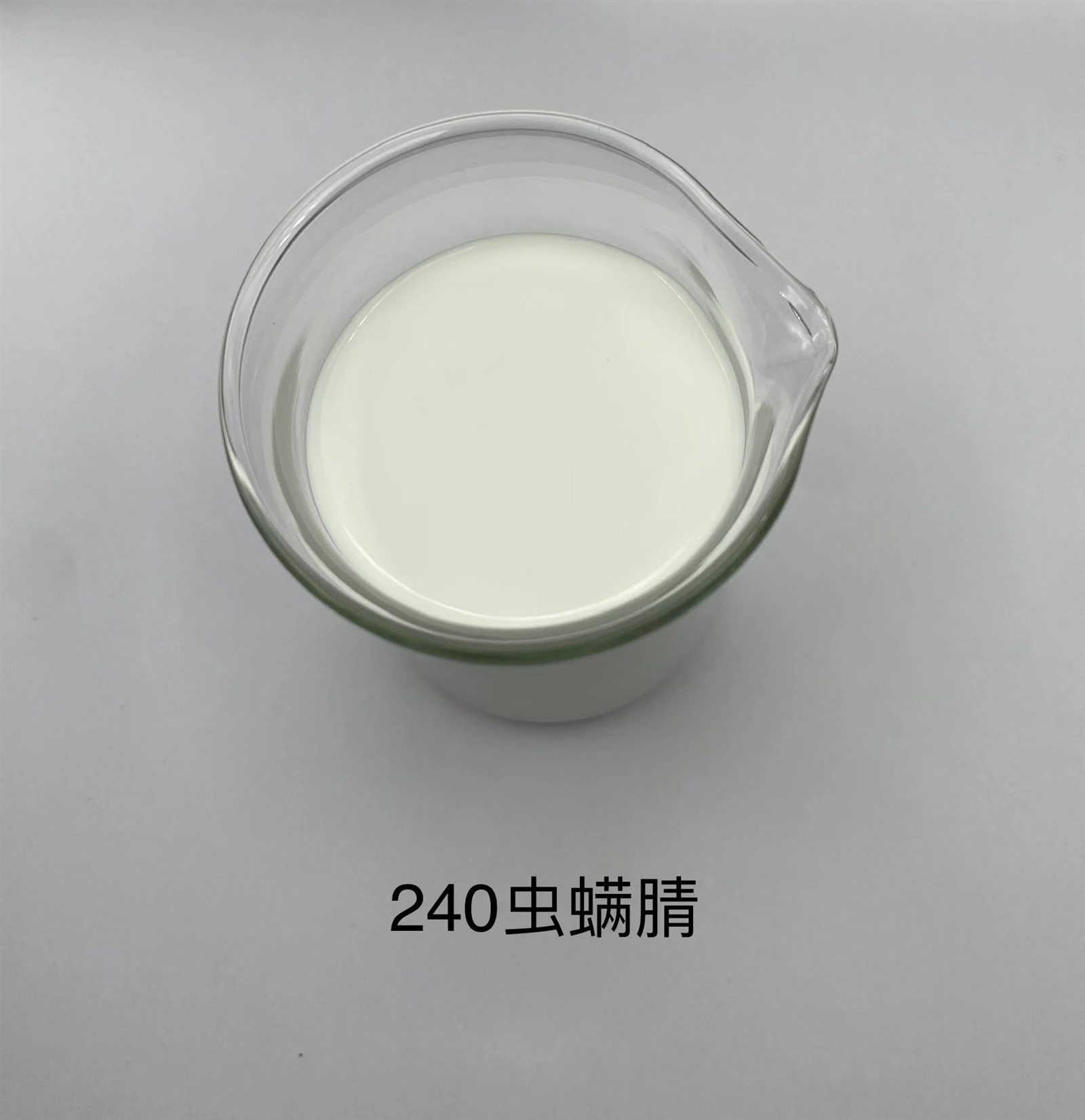
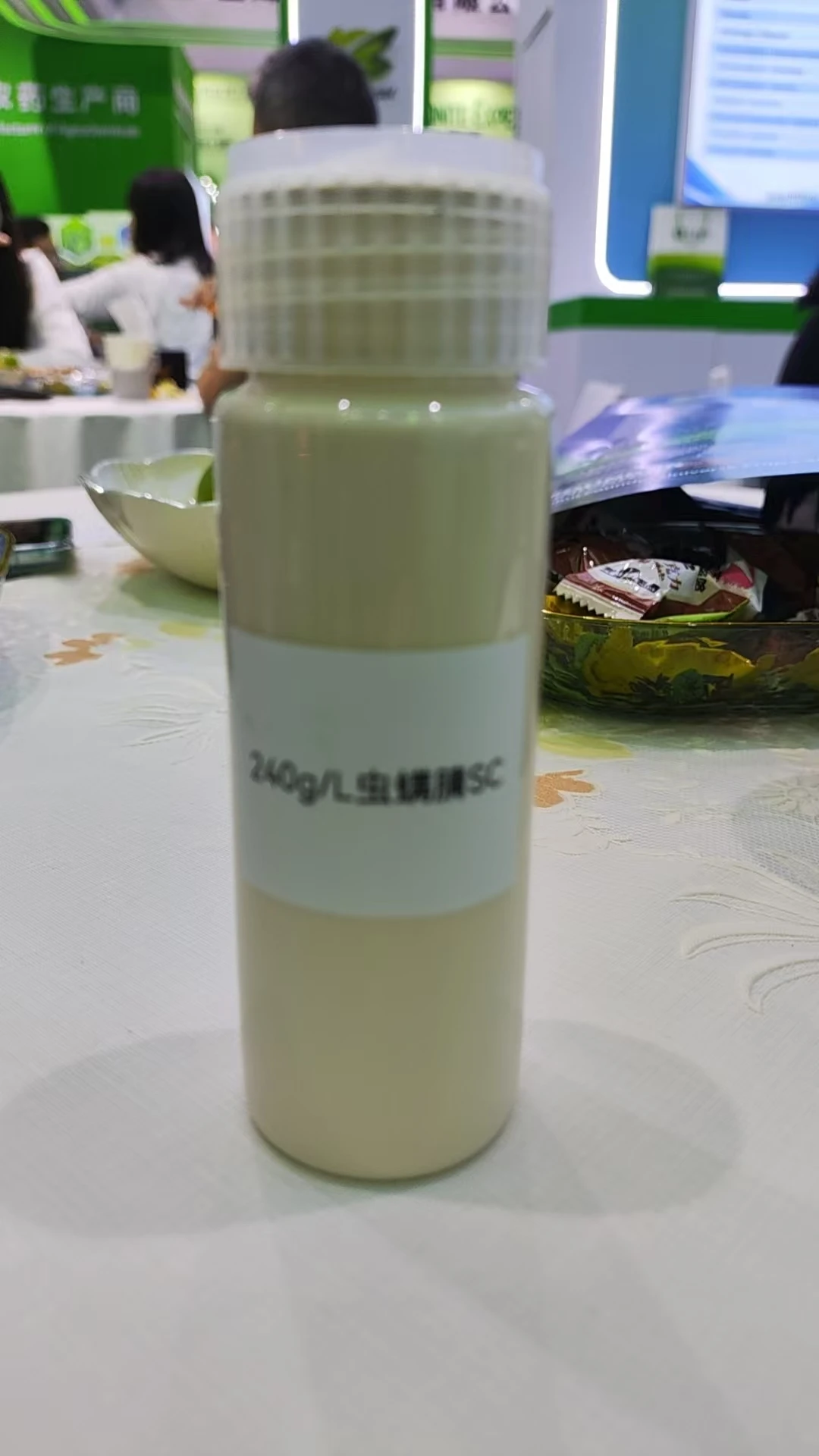
Spray It Thoroughly?" Chlorfenapyr's Strong Penetration and 7–10 Day Residual Activity - Built for Deep-Hiding Beet Armyworm and Thrips
Anyone who has grown cabbage, Chinese scallions, or asparagus knows the same frustration: beet armyworm and thrips are brutally hard to control.
Beet armyworm larvae burrow into the heart of the plant as soon as they hatch. By the time you spot those telltale transparent patches on the leaves, the pest is already tucked away inside. Thrips are even worse - they slip into the tubular leaves of scallions or the tender stems of asparagus and hide in the crevices. A conventional spray might make the surface look soaking wet, but the spot where the insects are actually sitting doesn't get a single drop.
So many growers instinctively reach for more water and repeated sprays, assuming that "spraying it thoroughly" will solve the problem. But "thorough" doesn't really mean more water - it means whether the active ingredient can penetrate into the plant and linger long enough exactly where the pests are hiding.
Residual Activity: Is It Actually Long Enough?
When it comes to how long chlorfenapyr keeps working, official registration data and real-world feedback don't entirely line up. Some industry sources claim that chlorfenapyr-containing mixtures, when used against resistant thrips, "maintain efficacy steady at 90% from 7 to 10 days after application." But it's worth noting that this is promotional data from a manufacturer of a formulated mixture. The residual life of chlorfenapyr used alone varies considerably with formulation, crop, and pest species - it can't be lumped into a single figure.
For beet armyworm, the key is hitting the right window. The registration label explicitly requires application "at the peak of egg hatching or the early peak of young larvae, for good efficacy." Beet armyworm larval stages are relatively synchronized, and the young-larva stage is the critical control window. Chlorfenapyr provides adequate coverage during the pest's active feeding period: insects stop moving within 1 hour of application, peak mortality is reached the same day, and deaths continue over the following days. As long as the timing is on target, it's enough to cover one larval outbreak peak.
For thrips, the situation is more complicated. Thrips have overlapping generations and reproduce quickly, so chlorfenapyr's residual window alone is genuinely not generous enough. But its penetrative power compensates for the "can't-reach-them" problem - thrips hiding inside the leaf sheaths of scallions still get hit once the active ingredient penetrates. Registration information shows a maximum of one application per season on scallions with a 10-day pre-harvest interval, and a 3-day pre-harvest interval on asparagus. This positions chlorfenapyr as "a single precision strike at the critical window" rather than the sole mainstay of long-term suppression.
Products Quality and Transportation
1. We can provide COA, MSDS, TDS, and other documents to guarantee that our products are genuine, and we offer customers good prices and quality.
2. We have a highly professional logistics team that can smoothly deliver goods to the customer's designated address. We offer a range of transportation methods including air freight, sea freight, trucking, and express delivery, and we also support DDP service. We have extensive export experience.
3. Regarding our products, we also support large-volume customized packaging and customized products.
4. Samples are available.