Today we move our gaze from faces to fields, and look at what this ocean-derived ingredient can actually do in the field.
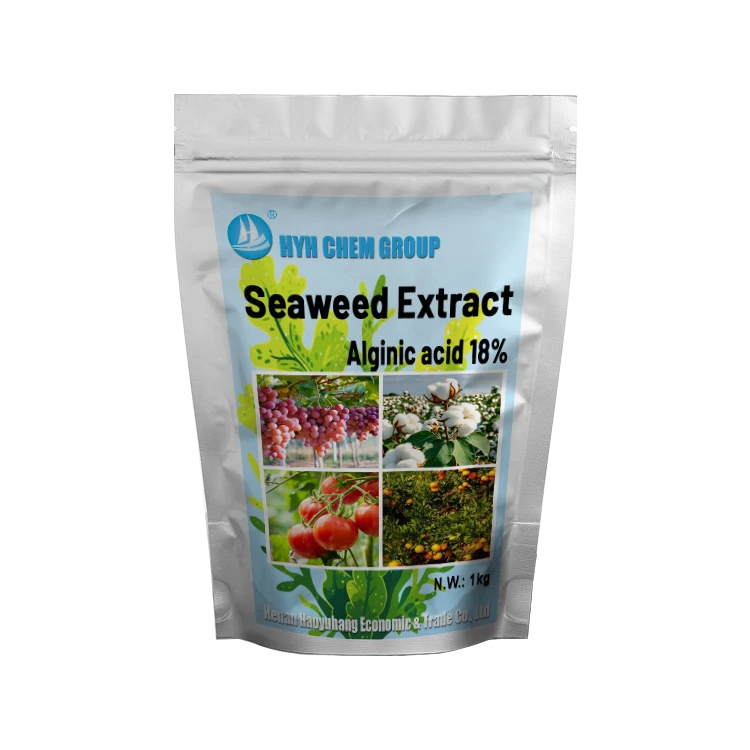
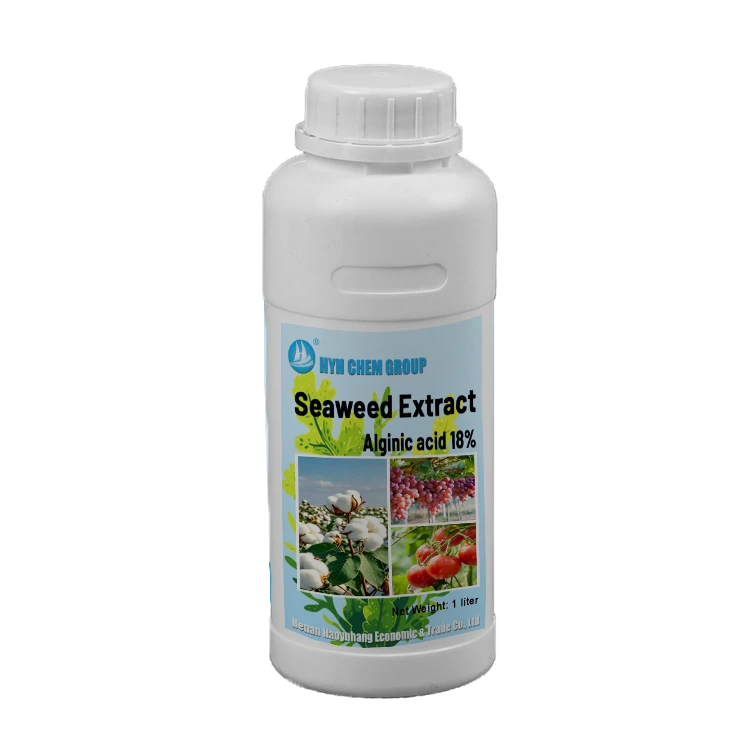
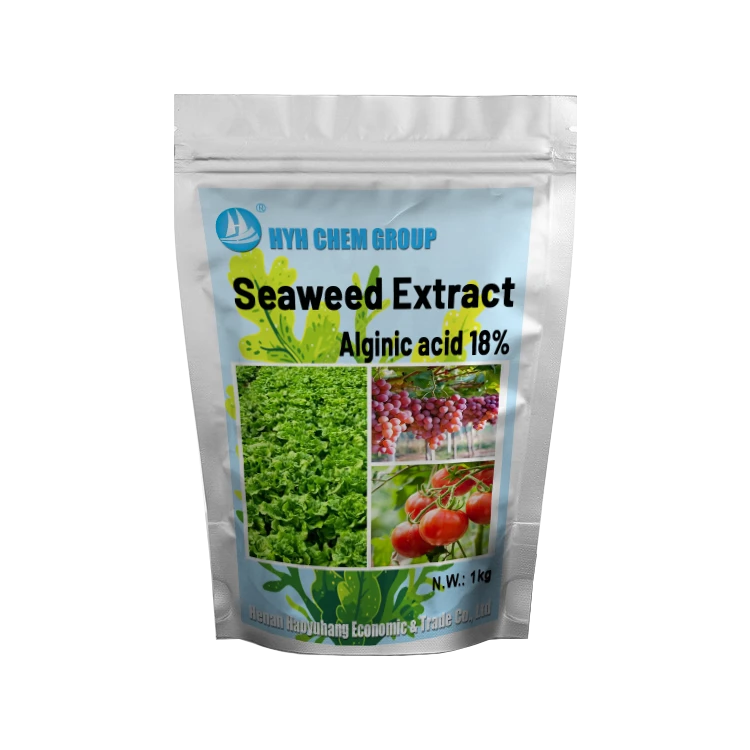
First and Foremost, It's a "Biostimulant," Not a Fertilizer
This is the most easily confused point. Seaweed extract itself is not high in NPK, and you can't expect it to replace chemical fertilizers. Its role is as a biostimulant-used in small amounts to unlock the plant's own growth potential and defense systems.
Seaweed extract is rich in seaweed polysaccharides, polyphenols, plant hormones, and mineral elements. When applied together with NPK fertilizers, it can improve fertilizer use efficiency, promote root development, and enhance the activity of beneficial rhizosphere microorganisms. In other words, its value lies not in "feeding" the crop, but in making the crop better at eating and better at enduring stress.
When seaweed extract from Ascophyllum nodosum is foliar-sprayed on peppers and eggplants, the yield increase mainly comes from an increase in fruit number per plant. Metabolite analysis shows that treated plants have higher sugar and amino acid levels and stronger nitrogen assimilation capacity, providing a better material basis for fruit set and fruit development.
What Really Makes Growers Take Notice: Stress Tolerance
If yield increase is "the icing on the cake," then stress tolerance is "a helping hand in tough times." The evidence accumulated for seaweed extract in this area may be more practically meaningful than yield gains.
Take water stress as an example. A tomato study set up two irrigation levels (70% and 100% of crop evapotranspiration) combined with different concentrations of Ascophyllum nodosum extract. The results are interesting: under normal water supply, an extract concentration of 0.2% achieved the best yield; but under deficit irrigation, a higher concentration (0.3%–0.4%) was needed to achieve the best yield performance. At the same time, seaweed extract treatment also improved plant height, stem diameter, leaf area, chlorophyll content, and relative water content.
What does this mean? In water-scarce areas or plots with suboptimal irrigation conditions, seaweed extract is not a dispensable "nutritional supplement," but a regulatory tool that helps crops stabilize yield and quality under stress.
There is also a mechanistic explanation. Components such as betaine in seaweed extract can act as cytoplasmic osmolytes, helping plants maintain cell water under saline or drought conditions; brown algal polysaccharides and sulfated fucoidans can activate plant systemic resistance and enhance defense against diseases.
Meanwhile, the Technical Side Is Advancing
Green biomanufacturing processes for brown algal oligosaccharides have been created, with enzymatic hydrolysis capacity reaching ten-thousand-ton scale. From "soaking a piece of kelp" to enzymatic directed preparation of active oligosaccharides, the production of seaweed extract is moving from rough processing toward precision.