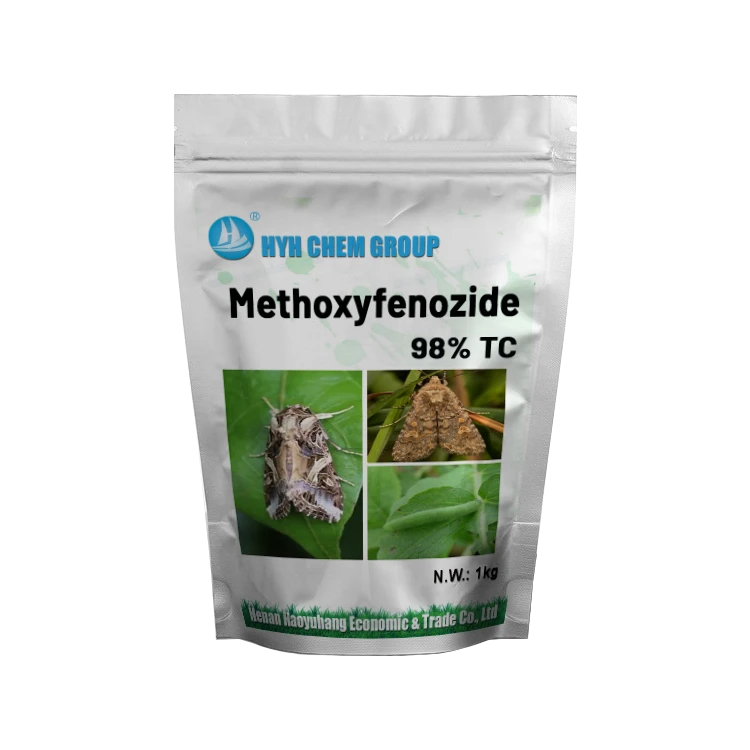
Methoxyfenozide: The Veteran That Stops Insects from Molting
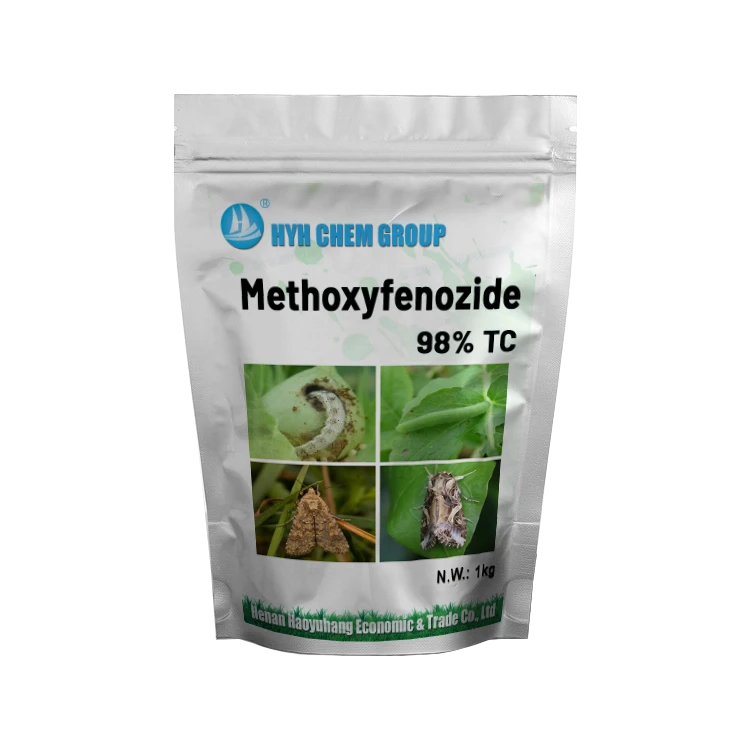
Methoxyfenozide works on a completely different logic from conventional neurotoxins. It mimics the insect's natural molting hormone, forcibly binding to the ecdysone receptor and pushing larvae to initiate the molting process prematurely, before they are fully developed. The result: the old cuticle cannot be shed, the new one cannot form, larvae stop feeding within 6–8 hours, and eventually die of dehydration and starvation.
This mechanism offers several practical advantages: high efficacy against lepidopteran larvae, especially Noctuidae and Pyralidae; relatively long residual activity, with control lasting around twenty days under moderate pest pressure; and good crop safety, with low risk of phytotoxicity. But it also has clear shortcomings: slow knockdown - the insects stop feeding, but complete mortality takes several days, which impatient growers may perceive as "no effect after spraying"; and it works mainly by stomach action, offering limited protection to newly emerged leaves.
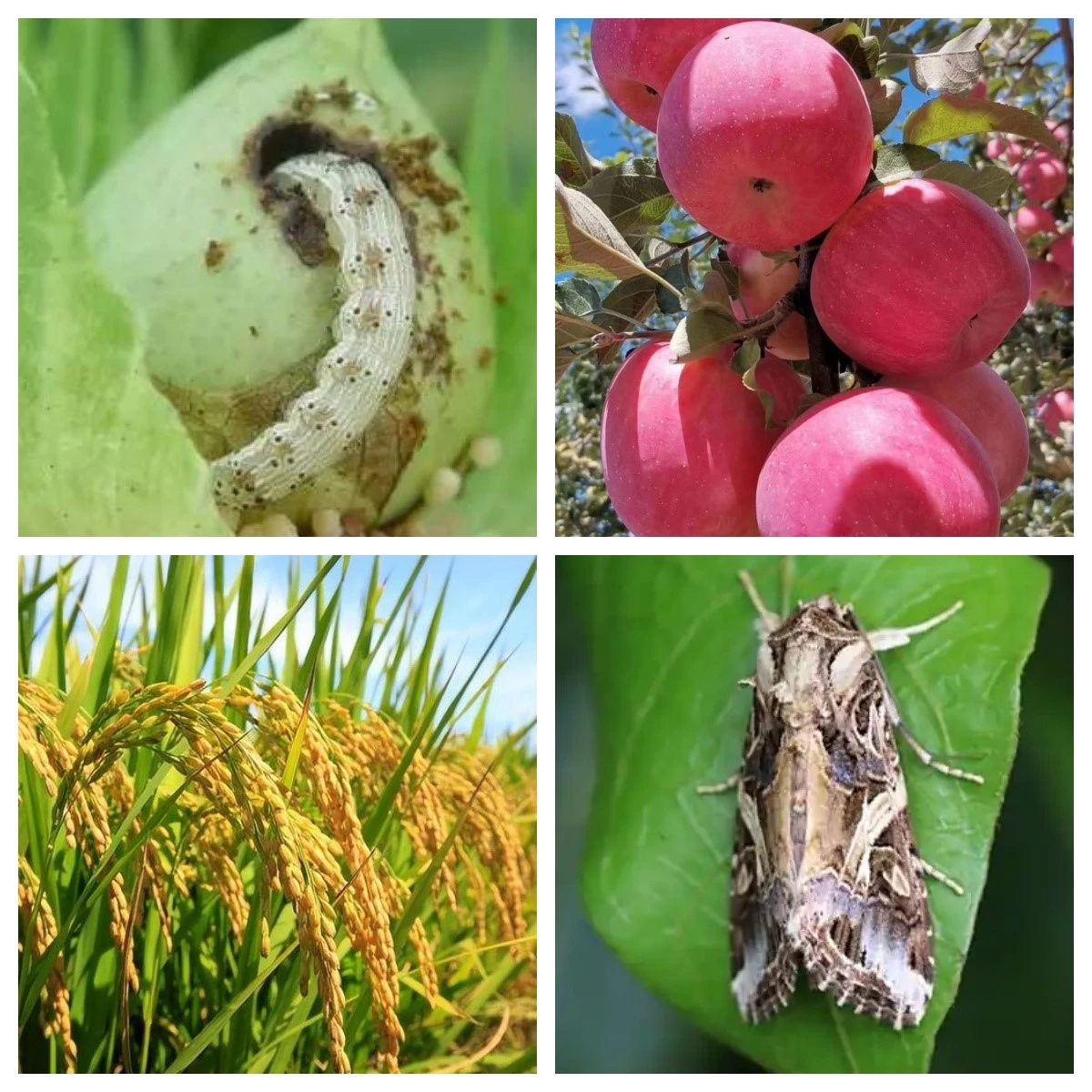
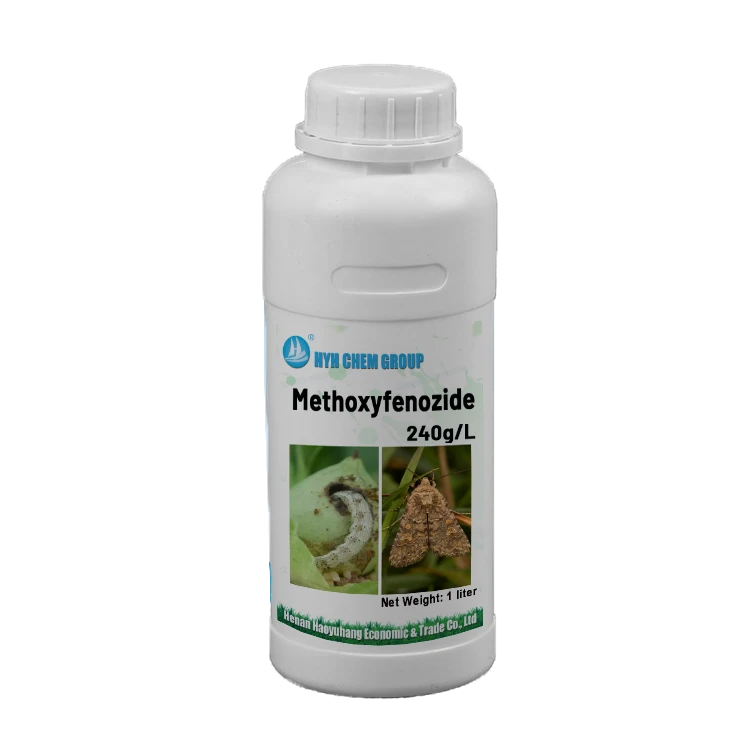
The correct way to use methoxyfenozide is therefore to time applications at the peak of egg hatching through the early larval stage; once larvae have bored into the plant, efficacy drops off. On rice stem borer, a 24% suspension concentrate is typically applied at 19–28 mL per mu; for water bamboo stem borer, 60–64 mL diluted in water is recommended. Resistance management cannot be ignored - rice stem borer carries a high resistance risk to methoxyfenozide, and once resistance develops, cross-resistance to the related compounds tebufenozide and furan-tebufenozide is possible, making rotation essential.
Rhodopseudomonas palustris: Doesn't Kill Pests, but Helps Crops Endure
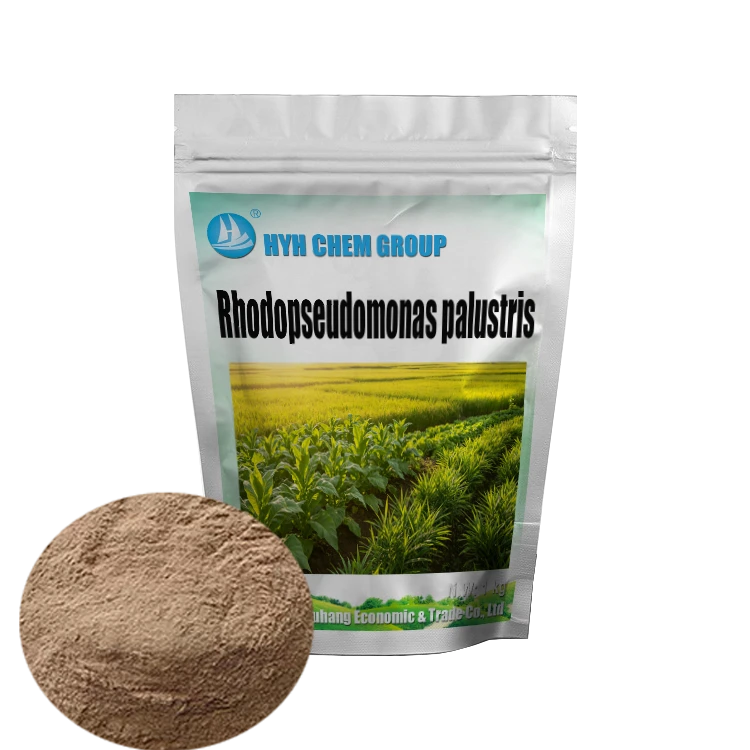
Rhodopseudomonas palustris plays a completely different role in the field. It does not target pests directly; its action is on the soil and the plant itself.
In research on saline-alkali paddy fields, this bacterium secretes organic acids during the anaerobic phase to reduce alkalinity, while synthesizing extracellular polymeric substances (EPS) that adsorb salt ions; in the aerobic phase, these polymers degrade into fulvic and humic acid-like substances, raising organic matter content. when used in combination with crop rotation, tiller number increased by 163%, lodging resistance by 66%, and grain yield by 65%. Bacterial treatment also raised the concentration of 5-aminolevulinic acid (5-ALA) in plants, indicating enhanced photosynthesis.
In other words, methoxyfenozide addresses the question of "are the pests still feeding," while R. palustris addresses "does the crop have the reserves to withstand the pest pressure." Under heavy pest pressure, the plant's own nutritional status and stress tolerance often determine how much yield is actually lost.
Products Description
Don't count on tank-mixing. There is currently no data on the tank-mix compatibility of methoxyfenozide with R. palustris. R. palustris is a live microbial product, and the solvents, adjuvants, and pH environment of an insecticide can all affect bacterial survival. The prudent approach is separate applications: methoxyfenozide applied according to pest pressure timing, and R. palustris applied separately during the interval, either as a foliar spray or soil drench.
Respect methoxyfenozide's environmental restrictions. It is toxic to bees, silkworms, and fish and other aquatic organisms. Applications must avoid flowering periods, silkworm rearing houses and mulberry fields, and aquaculture areas. It is prohibited in rice fields co-cultured with shrimp and crabs, and treated field water must not be discharged directly into water bodies. These are mandatory label requirements, not suggestions.
Resistance management comes first. Methoxyfenozide's unique mechanism is both its strength and its vulnerability - once resistance emerges, related compounds lose efficacy alongside it. Rotating insecticides with different modes of action matters more than any supplementary measure.
One-Line Summary
Methoxyfenozide is the field's "precision strike force"; Rhodopseudomonas palustris is the crop's "fitness coach." One controls the situation when pests strike, the other builds up the soil and plant foundation beforehand. Each does its own job - just don't mix them together, and you have a sound combination strategy.