What it actually does
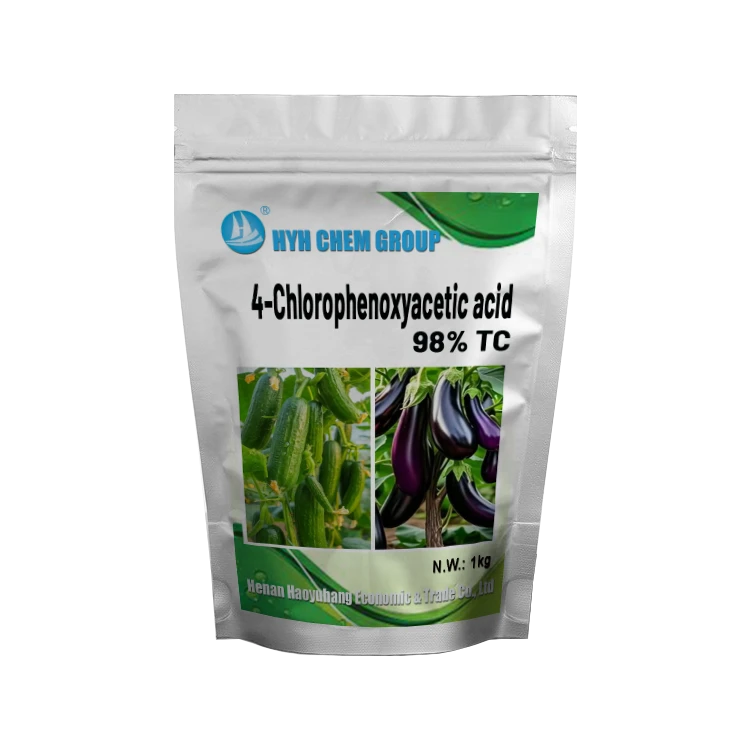
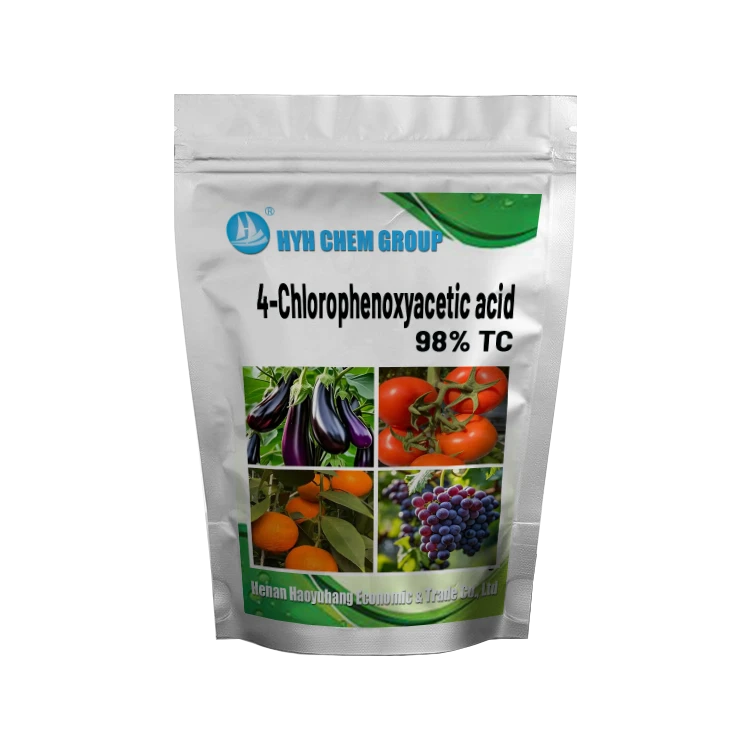
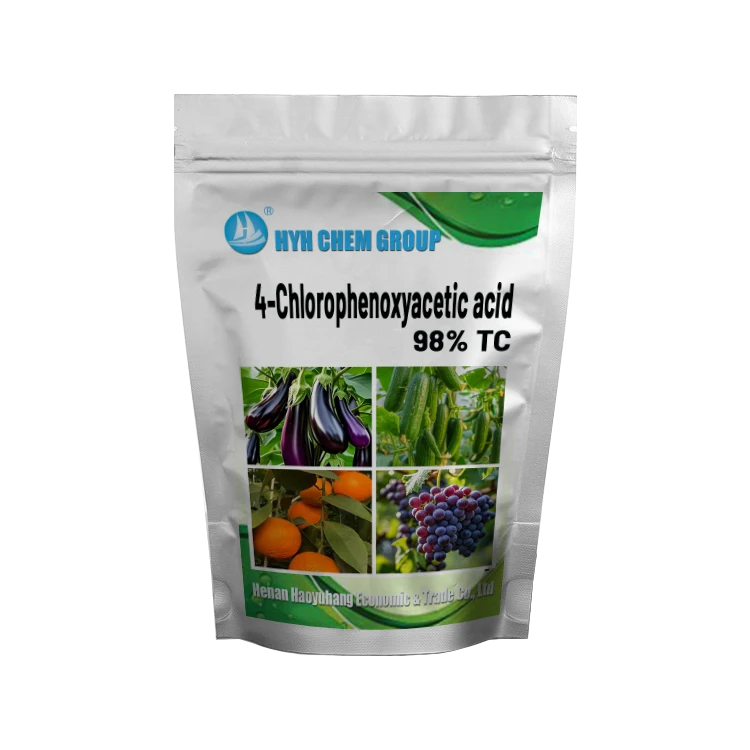
4-CPA is essentially a phenoxy-class plant growth regulator with auxin activity. Its core job is highly specific: preventing flower and fruit drop and promoting fruit set. When a plant is about to "give up" on a batch of flowers or fruit due to temperature fluctuations, insufficient light, or its own nutrient allocation issues, 4-CPA steps in, blocking the formation of the abscission layer so the fruit can stay on the branch and keep growing.
Its sodium salt form, sodium 4-CPA, appears on a range of crops: used for flower spraying to regulate growth in tomatoes, for fruit retention or growth regulation in lychee, bayberry, and Sichuan pepper, and for post-harvest dip treatment to preserve freshness in citrus. On tomatoes, timing is critical: spray when two or three flowers have opened on a single inflorescence, using a hand sprayer aimed at the flower center or pedicel - each flower gets one spray only, no repeats. This detail says one thing clearly: its tolerance for concentration is not high.
An easily overlooked advantage
When it comes to preventing drop, people often compare it with 2,4-D. 2,4-D is potent, but even a slight concentration error can easily produce deformed fruit. 4-CPA has a relatively gentler reputation in this respect; some sources note that it "does not produce deformities," and in certain scenarios its efficacy even surpasses that of 2,4-D. Of course, this doesn't mean you can increase the dose at will - it remains sensitive to young shoots and leaves. If spray solution lands heavily on new tips and tender leaves during flower spraying, phytotoxicity will still occur.

Things to know before using it
First, it is not a fertilizer. It has no nutritional function; it works by regulating the allocation and flow of nutrients. In other words, if the tree's vigor is poor to begin with, spraying it alone won't hold the fruit. Without proper fertilizer and water management, even the best regulator is useless.
Second, concentration follows temperature. Use relatively lower concentrations when it's hot and relatively higher concentrations when it's cool, but never exceed the recommended upper limit. This rule applies to most plant growth regulators, but with 4-CPA it's especially important to observe - because the phytotoxicity from overdose is often more troublesome than "no effect."
Third, do not use it in seed-production fields. This point is explicitly mentioned in multiple sources. If you're growing tomatoes to harvest seed, then fangluosu is not the route to take.
A final honest word
4-CPA is a typical "old tool": cheap, effective, and clear in purpose - but it requires the user to know what they're doing. It's not the kind of thing where you spray and everything is solved; timing, concentration, and crop condition - miss any one of them and the effect may fall short. Treat it as one link in fine-tuned management rather than a shortcut for convenience, and only then will it reliably help you keep the fruit on the tree.