


The intricate dance of plant growth and development is choreographed by a symphony of internal and external cues. Among the key players in this biological orchestra are indole-3-acetic acid (IAA), a primary auxin, and the plant circadian rhythm, an internal timekeeping mechanism. As an IAA supplier deeply involved in the plant growth regulator industry, I've witnessed firsthand the profound impact these two elements have on plant health and productivity. In this blog, we'll explore the relationship between IAA and plant circadian rhythm, shedding light on how they interact to shape the lives of plants.
Understanding IAA: The Growth Promoter
IAA is a naturally occurring auxin that plays a central role in virtually every aspect of plant growth and development. From cell elongation and division to root initiation and apical dominance, IAA is the master regulator that coordinates these processes. It is synthesized primarily in the shoot apical meristems and young leaves and then transported throughout the plant via a complex network of carriers.
One of the most well-known functions of IAA is its ability to promote cell elongation. By increasing the plasticity of the cell wall and activating proton pumps, IAA allows cells to take up water and expand, leading to the growth of stems and roots. This process is crucial for the establishment of the plant's architecture and its ability to reach for light and nutrients.
In addition to cell elongation, IAA also regulates cell division, which is essential for the growth and repair of plant tissues. It stimulates the transition of cells from the G1 to the S phase of the cell cycle, promoting DNA synthesis and cell proliferation. This is particularly important during the development of lateral roots and the formation of new shoots.
The Plant Circadian Rhythm: Nature's Internal Clock
The plant circadian rhythm is an endogenous timekeeping mechanism that allows plants to anticipate and respond to daily and seasonal changes in their environment. It is driven by a complex network of genes and proteins that oscillate with a period of approximately 24 hours, even in the absence of external cues.
This internal clock regulates a wide range of physiological and behavioral processes in plants, including photosynthesis, stomatal opening, and flowering. By synchronizing these processes with the day-night cycle, the circadian rhythm ensures that plants are able to optimize their use of resources and adapt to changing environmental conditions.
One of the key features of the plant circadian rhythm is its ability to entrain to external cues, such as light and temperature. Light, in particular, plays a crucial role in resetting the clock and synchronizing it with the external environment. Plants have evolved a variety of photoreceptors, including phytochromes and cryptochromes, which are able to detect different wavelengths of light and transmit this information to the circadian clock.
The Interplay between IAA and the Plant Circadian Rhythm
The relationship between IAA and the plant circadian rhythm is complex and bidirectional. On one hand, the circadian rhythm can influence the synthesis, transport, and signaling of IAA. On the other hand, IAA can also affect the function of the circadian clock and the expression of clock genes.
Circadian Regulation of IAA Metabolism and Transport
The circadian rhythm has been shown to regulate the synthesis and transport of IAA in plants. For example, studies have found that the expression of genes involved in IAA biosynthesis, such as TAA1 and YUC, oscillates with a circadian rhythm. This suggests that the production of IAA is tightly regulated by the internal clock, allowing plants to adjust their growth and development in response to daily changes in environmental conditions.
In addition to biosynthesis, the circadian rhythm also affects the transport of IAA within the plant. The PIN family of auxin efflux carriers, which are responsible for the polar transport of IAA, exhibit circadian oscillations in their expression and activity. This rhythmic regulation of IAA transport ensures that the hormone is distributed throughout the plant in a coordinated manner, allowing for proper growth and development.
IAA Signaling and the Circadian Clock
IAA signaling can also influence the function of the circadian clock. Recent studies have shown that auxin signaling components, such as Aux/IAA proteins and ARF transcription factors, interact with clock proteins and regulate the expression of clock genes. This suggests that IAA signaling pathways are integrated with the circadian clock, allowing plants to coordinate growth and development with the time of day.
For example, it has been found that auxin treatment can alter the phase of the circadian rhythm, shifting the peak expression of clock genes. This indicates that IAA can act as a signal to reset the internal clock, allowing plants to adjust their physiological processes in response to changes in growth and development.
Implications for Plant Growth and Agriculture
The interplay between IAA and the plant circadian rhythm has important implications for plant growth and agriculture. By understanding how these two factors interact, we can develop strategies to optimize plant growth and productivity.
Improving Crop Yield
Manipulating the levels of IAA and the circadian rhythm can potentially improve crop yield. For example, by applying exogenous IAA at specific times of the day, we can enhance root growth, increase nutrient uptake, and improve the overall health of the plant. Similarly, by synchronizing the circadian rhythm with the local environmental conditions, we can ensure that plants are able to optimize their photosynthetic activity and resource utilization, leading to higher yields.
Enhancing Stress Tolerance
The interaction between IAA and the circadian rhythm also plays a role in plant stress tolerance. Plants are constantly exposed to a variety of environmental stresses, such as drought, salinity, and temperature extremes. By coordinating growth and development with the time of day, the circadian rhythm allows plants to anticipate and respond to these stresses more effectively.
IAA, on the other hand, can help plants to cope with stress by promoting root growth, enhancing antioxidant defense mechanisms, and regulating the expression of stress-responsive genes. By understanding how IAA and the circadian rhythm interact under stress conditions, we can develop strategies to improve plant stress tolerance and ensure the sustainability of agricultural production.
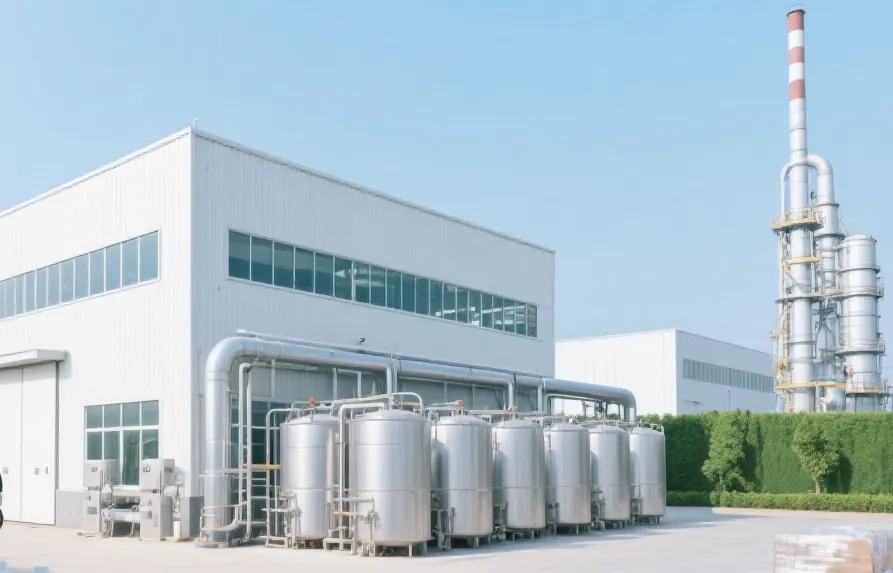
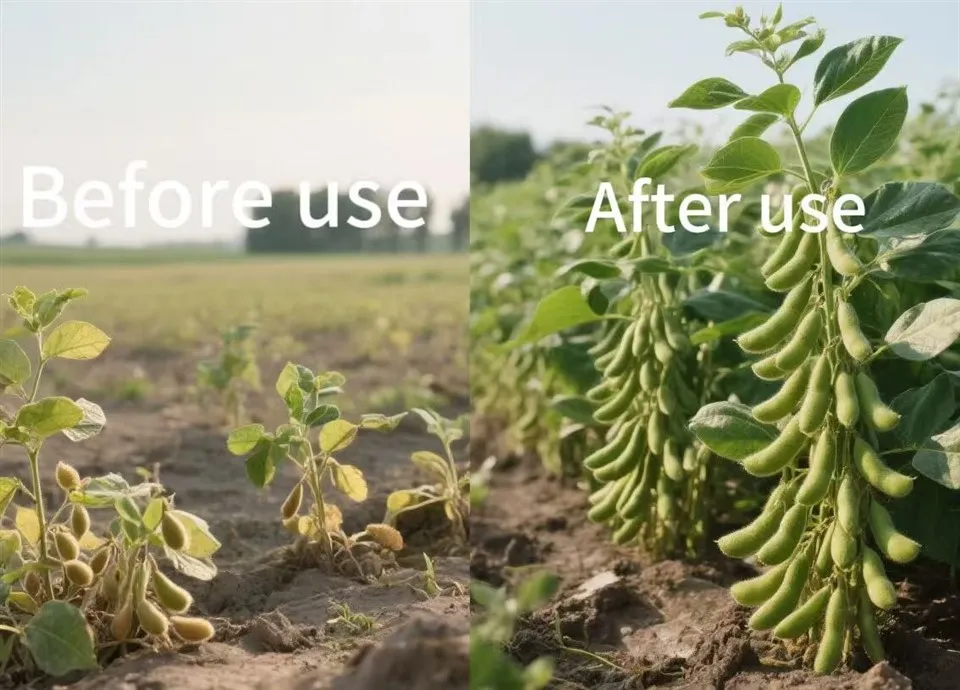
Our Products: Aiding in Plant Growth and Development
As an IAA supplier, we offer a range of high-quality plant growth regulators that can help you optimize plant growth and productivity. In addition to IAA, we also provide other important plant hormones and growth regulators, such as thidiazuron, abscisic acid, and kinetin.
- Efficient And Low-Toxic Thidiazuron 95%TC 98%TC CAS51707-55-2 Specially Used For Watermelon And Cotton: Thidiazuron is a synthetic plant growth regulator that promotes cell division and differentiation. It is widely used in agriculture to improve fruit set, increase yield, and enhance the quality of crops.
- Trans-abscisic Acid Abscisic Acid S-ABA Dormin 21293-29-8: Abscisic acid is a plant hormone that plays a key role in regulating plant responses to stress. It helps plants to conserve water, tolerate drought, and adapt to other environmental challenges.
- Promote Cell Division And Proliferation Kinetin 0.4% SL CAS No.525-79-1 Specially Used For Soybean And Teatree: Kinetin is a cytokinin that promotes cell division and proliferation. It is used in agriculture to stimulate shoot growth, increase branching, and improve the overall vigor of plants.
Contact Us for Procurement and Consultation
If you're interested in learning more about our products or have any questions about the relationship between IAA and plant circadian rhythm, we'd love to hear from you. Our team of experts is available to provide you with personalized advice and support to help you achieve your plant growth goals. Whether you're a farmer, a horticulturist, or a researcher, we can help you find the right solutions for your needs. Contact us today to start a conversation about how we can work together to enhance plant growth and productivity.
References
- Briggs, W. R., & Olney, M. A. (2001). Photoreceptors in plant photomorphogenesis to date. Five phytochromes, two cryptochromes, one phototropin, and one superchrome. Plant Physiology, 125(1), 85-88.
- Harmer, S. L. (2009). The circadian system in higher plants. Annual Review of Plant Biology, 60, 357-377.
- Teale, W. D., Paponov, I. A., & Palme, K. (2006). Auxin in action: signaling, transport and the control of plant growth and development. Nature Reviews Molecular Cell Biology, 7(1), 84-90.


