


Hey there! As an insecticide supplier, I've seen firsthand the importance of using the right insecticides in agriculture. Today, I'm gonna dive into the most common insecticides used in the farming world.
Let's start with the basics. Insecticides are chemicals designed to kill or control insects that can damage crops. There are different types of insecticides, including contact insecticides, which kill insects on contact, and systemic insecticides, which are absorbed by the plant and kill insects when they feed on it.
One of the most widely - used insecticides in agriculture is pyrethroids. Pyrethroids are synthetic versions of pyrethrins, which are natural insecticides derived from chrysanthemum flowers. They're popular because they're effective against a wide range of insects, have a relatively low toxicity to mammals, and break down quickly in the environment.
Deltamethrin is a well - known pyrethroid. It's super effective at controlling pests like aphids, caterpillars, and beetles. Hot Sale Insecticide Deltamethrin CAS 52918 - 63 - 5 10%SC is a product that many farmers trust. It has a long - lasting residual effect, which means it keeps protecting the crops for a while after application. This is great for farmers as they don't have to keep reapplying the insecticide frequently.
Another common type of insecticide is organophosphates. These insecticides work by inhibiting the activity of an enzyme called acetylcholinesterase in insects, which leads to their death. Organophosphates have been around for a long time and are effective against many different pests. However, they also have some drawbacks. They can be highly toxic to humans and other non - target organisms if not used properly.
Carbamates are also used in agriculture. Similar to organophosphates, they work by inhibiting acetylcholinesterase. Carbaryl is a well - known carbamate insecticide. It's used to control a variety of insects, including mosquitoes, flies, and some agricultural pests. But just like organophosphates, it needs to be used with caution due to its potential toxicity.
Neonicotinoids are a newer class of insecticides that have become very popular in recent years. They work by binding to the nicotinic acetylcholine receptors in insects' nervous systems. Imidacloprid is one of the most commonly used neonicotinoids. It's used in seed treatments, soil applications, and foliar sprays. It's effective against sucking insects like aphids, whiteflies, and thrips. However, there have been concerns about the impact of neonicotinoids on pollinators like bees. Some studies have suggested that neonicotinoids may contribute to the decline of bee populations.
Fenoxycarb is an insect growth regulator. Fenoxycarb 72490 - 01 - 8 is a product that targets the growth and development of insects. Instead of killing insects immediately, it disrupts their life cycle. For example, it can prevent larvae from turning into adults, or it can affect the reproduction of insects. This makes it a more environmentally friendly option in some cases, as it has a lower impact on non - target organisms.
Transfluthrin is another insecticide that's commonly used. It's a fast - acting pyrethroid. Transfluthrin 118712 - 89 - 3 is often used in mosquito coils and other consumer products, but it also has applications in agriculture. It's effective at quickly knocking down flying insects and has a good vapor action, which means it can spread in the air and reach insects in hard - to - reach places.
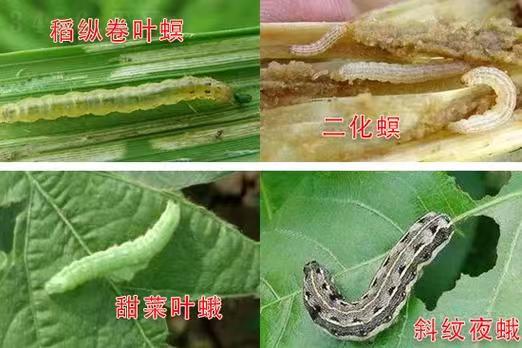
When choosing an insecticide, farmers need to consider several factors. First of all, they need to know what kind of pests they're dealing with. Different insecticides are effective against different pests. For example, if a farmer is dealing with a lot of aphids, a neonicotinoid or a pyrethroid might be a good choice. But if the problem is with caterpillars, a product like deltamethrin could be more suitable.
The mode of application is also important. Some insecticides are better for seed treatments, while others are more appropriate for foliar sprays or soil applications. The cost is another factor. Farmers need to balance the effectiveness of the insecticide with its price.

Environmental impact is a crucial consideration too. As we've seen, some insecticides can have a negative impact on non - target organisms, such as bees and other beneficial insects. Farmers should try to choose insecticides that have a lower environmental impact whenever possible.
At our company, we understand the importance of providing high - quality insecticides that meet the diverse needs of farmers. We offer a wide range of products, from well - established insecticides like deltamethrin to more environmentally friendly options like fenoxycarb. Our products are tested and proven to be effective in the field.
If you're a farmer or someone involved in the agricultural industry, and you're looking for reliable insecticides, we'd love to talk to you. Whether you need help choosing the right product for your specific pest problem or you have questions about the application methods, our team of experts is here to assist you. Don't hesitate to reach out and start a conversation about your insecticide needs. We're committed to helping you protect your crops and achieve a successful harvest.
References
- Ware, G. W., & Whitacre, D. M. (2004). The Pesticide Book. Thomson Publications.
- Van der Sluijs, J. P., et al. (2013). A critical review of the risks to bees from neonicotinoid insecticides. Environmental Science & Technology, 47(15), 8152 - 8163.


