


Hey there, fellow plant enthusiasts! As an IAA (Indole - 3 - acetic acid) supplier, I've been diving deep into the world of plant metabolism and the role that IAA plays in it. Today, I'm super excited to share with you all the amazing effects that IAA has on plant metabolism.
First off, let's talk about what IAA actually is. IAA is a naturally - occurring plant hormone, also known as an auxin. It's involved in pretty much every aspect of a plant's life, from the moment it's just a tiny seed to when it grows into a big, healthy plant.
One of the most well - known effects of IAA on plant metabolism is its role in cell elongation. You see, plants grow by increasing the size of their cells, and IAA helps with that. When IAA is present in a plant cell, it causes the cell wall to become more flexible. This flexibility allows the cell to take in more water and expand. As a result, the plant grows taller and its roots grow longer. For example, in a young seedling, IAA is produced in the tip of the shoot. It then moves down the stem, promoting cell elongation along the way. This is why you often see seedlings growing straight up towards the light so quickly.

Another important aspect of plant metabolism that IAA influences is root development. IAA is crucial for the formation of new roots. When you take a cutting from a plant and want to grow it into a new one, applying IAA can significantly increase the chances of root formation. It stimulates the cells in the cutting to start dividing and differentiating into root cells. This is a big deal for gardeners and farmers because strong, healthy roots are the foundation of a healthy plant. A plant with a well - developed root system can absorb more water and nutrients from the soil, which in turn affects its overall growth and productivity.
IAA also plays a role in apical dominance. Apical dominance is the phenomenon where the main shoot tip of a plant inhibits the growth of lateral buds. IAA is produced in the apical meristem (the tip of the main shoot) and is transported down the stem. High levels of IAA in the stem suppress the growth of lateral buds. This is nature's way of making sure that the plant grows vertically and focuses its energy on the main stem. However, if you want to encourage bushier growth in a plant, you can remove the apical meristem. This reduces the amount of IAA in the stem, allowing the lateral buds to grow.
Now, let's get into how IAA affects plant metabolism at the biochemical level. IAA is involved in the regulation of gene expression. It can turn on or off certain genes in plant cells. For instance, genes related to cell wall synthesis and expansion are often activated by IAA. This leads to the production of proteins and other molecules that are necessary for cell elongation and growth.
IAA also has an impact on the synthesis of other plant hormones. It can interact with hormones like cytokinins. Cytokinins are responsible for cell division in plants. The balance between IAA and cytokinins is crucial for proper plant development. When the ratio of IAA to cytokinins is high, root development is favored. On the other hand, when the ratio is low, shoot development is promoted.
In addition to its effects on growth and development, IAA can also influence plant responses to environmental stress. For example, during drought conditions, plants may produce more IAA. This helps the plant to adjust its metabolism and conserve water. IAA can cause the stomata (tiny pores on the leaves) to close, reducing water loss through transpiration.
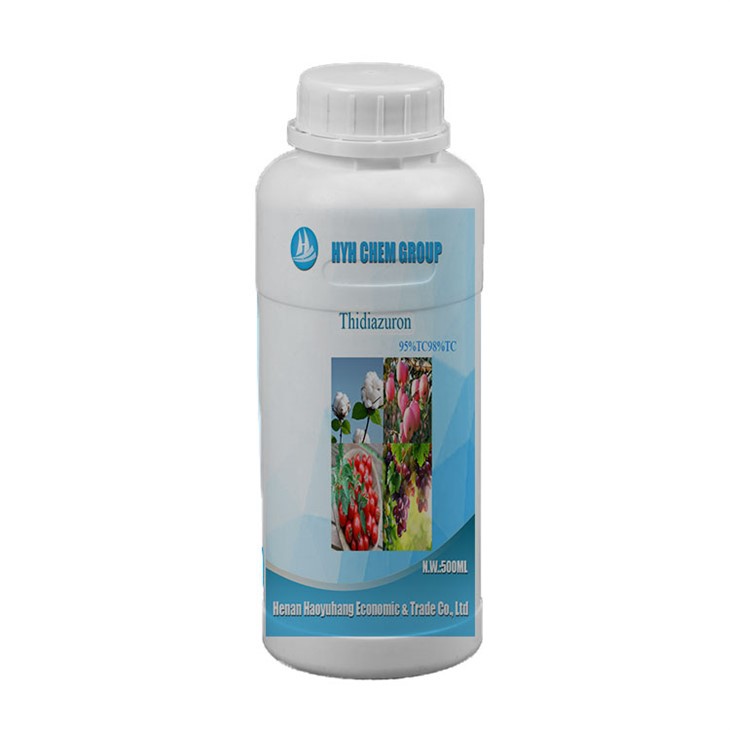
If you're interested in other plant growth regulators that work in harmony with IAA, we also offer some great products. Check out Promote Flowering And Fruiting Sodium O - Nitrophenolate 98%TC CASNo. 824 - 39 - 5 For cucumbers and strawberries. It can enhance the flowering and fruiting process in certain plants. Another option is Trans - zeatin 1637 - 39 - 4, which is important for cell division and can work well with IAA to promote overall plant growth. And if you're growing watermelons or cotton, Efficient And Low - Toxic Thidiazuron 95%TC 98%TC CAS51707 - 55 - 2 Specially Used For Watermelon And Cotton is a great choice to boost their growth and productivity.
As an IAA supplier, I know that different plants have different needs. That's why we offer high - quality IAA products that can be tailored to your specific requirements. Whether you're a small - scale gardener growing some flowers in your backyard or a large - scale farmer cultivating crops on acres of land, our IAA can make a real difference in your plants' health and productivity.
If you're looking to improve the growth and metabolism of your plants, IAA is definitely something you should consider. It's a natural and effective way to enhance plant growth and development. And if you have any questions about how to use IAA or which product is right for you, don't hesitate to reach out. We're here to help you make the most of your plants. Whether you're new to using plant growth regulators or you're an experienced grower, we can provide you with the support and advice you need.
So, if you're interested in purchasing IAA or any of our other plant growth regulator products, we're more than happy to start a conversation with you. Just get in touch, and we can discuss your specific needs and find the best solutions for your plants.
References
- Davies, P. J. (2010). Plant Hormones: Biosynthesis, Signal Transduction, Action!. Springer.
- Taiz, L., & Zeiger, E. (2010). Plant Physiology. Sinauer Associates.


