


As a supplier of Daminozide, I've had the privilege of witnessing firsthand the profound impact this plant growth regulator can have on various aspects of plant development, particularly when it comes to flowering. In this blog, I'll delve into the science behind Daminozide and explore its effects on plant flowering.
Understanding Daminozide
Daminozide, also known as Alar, is a chemical compound that has been widely used in the agricultural industry as a plant growth regulator. It was first introduced in the 1960s and has since been employed to control plant growth, enhance fruit quality, and improve overall crop yield. The compound works by inhibiting the production of gibberellins, a group of plant hormones that play a crucial role in cell elongation and stem growth. By reducing the levels of gibberellins, Daminozide can cause plants to become more compact, with shorter internodes and thicker stems.

Effects on Flowering Time
One of the most significant effects of Daminozide on plant flowering is its ability to alter the timing of flower bud initiation and development. In many cases, the application of Daminozide can lead to earlier flowering in plants. This is particularly beneficial for crops that are grown in regions with short growing seasons or for those that need to be harvested at a specific time. By promoting earlier flowering, Daminozide can help farmers to extend the growing season and increase their overall productivity.
For example, in studies conducted on chrysanthemums, the application of Daminozide was found to significantly advance the flowering time. The treated plants produced flower buds up to two weeks earlier than the untreated controls, allowing for earlier market availability and potentially higher profits for growers. Similar results have been reported in other ornamental plants, such as petunias and marigolds, where Daminozide has been shown to accelerate the transition from vegetative to reproductive growth.
Flower Quality and Quantity
In addition to influencing the timing of flowering, Daminozide can also have a positive impact on the quality and quantity of flowers produced by plants. By promoting more compact growth and reducing excessive vegetative growth, Daminozide can help to channel the plant's energy towards flower production. This often results in larger, more vibrant flowers with improved color and form.
Moreover, Daminozide can increase the number of flower buds formed on a plant, leading to a more abundant display of blooms. This is particularly important for ornamental plants, where the aesthetic appeal of the flowers is a key factor in their marketability. In some cases, the application of Daminozide can double or even triple the number of flowers produced by a plant, making it a valuable tool for growers looking to enhance the visual impact of their crops.
Hormonal Balance and Flowering
The mechanism by which Daminozide affects plant flowering is closely related to its influence on the hormonal balance within the plant. As mentioned earlier, Daminozide inhibits the production of gibberellins, which are known to promote vegetative growth and delay flowering. By reducing the levels of gibberellins, Daminozide can shift the hormonal balance towards the production of other plant hormones, such as cytokinins and auxins, which are involved in flower bud initiation and development.
Cytokinins, in particular, play a crucial role in promoting cell division and differentiation, which are essential processes for the formation of flower buds. By increasing the levels of cytokinins in the plant, Daminozide can stimulate the development of flower primordia and enhance the overall flowering process. Additionally, auxins are involved in the regulation of flower bud dormancy and the elongation of flower stalks. By modulating the levels of auxins, Daminozide can help to ensure that flower buds develop properly and that the flowers are able to reach their full potential.
Practical Applications in Agriculture
The effects of Daminozide on plant flowering have significant practical applications in agriculture and horticulture. In the commercial production of ornamental plants, such as cut flowers and potted plants, Daminozide is commonly used to control the timing and quality of flowering. By applying Daminozide at the appropriate stage of plant development, growers can ensure that their plants produce high-quality flowers that are ready for market at the desired time.
In the fruit industry, Daminozide is used to improve fruit set and quality. By promoting earlier flowering and more abundant flower production, Daminozide can increase the number of fruits that are formed on a tree or vine. Additionally, the compound can help to improve the size, color, and flavor of the fruits, making them more attractive to consumers.
However, it's important to note that the use of Daminozide is subject to strict regulations in many countries due to concerns about its potential health and environmental effects. Before using Daminozide, growers should carefully review the local regulations and follow the recommended application rates and safety precautions.
Other Plant Growth Regulators
While Daminozide is a powerful tool for controlling plant flowering, it's not the only plant growth regulator available on the market. There are several other compounds that can also be used to influence the flowering process, each with its own unique properties and benefits.
One such compound is Natural CAS 72962-43-7 Plant Growth Regulator Brassinolide 0.1%Sp Price. Brassinolide is a natural plant hormone that has been shown to promote cell elongation, enhance photosynthesis, and improve plant stress tolerance. In addition to these benefits, brassinolide has also been found to have a positive effect on plant flowering, promoting earlier and more abundant flower production.
Another popular plant growth regulator is 86-86-2 1-Naphthylacetamide 98%TC Factory Price Hot Sale. 1-Naphthylacetamide is a synthetic auxin that is commonly used to promote root growth, increase fruit set, and improve overall plant vigor. It can also be used to control the timing of flowering in some plants, particularly those that are sensitive to auxin levels.
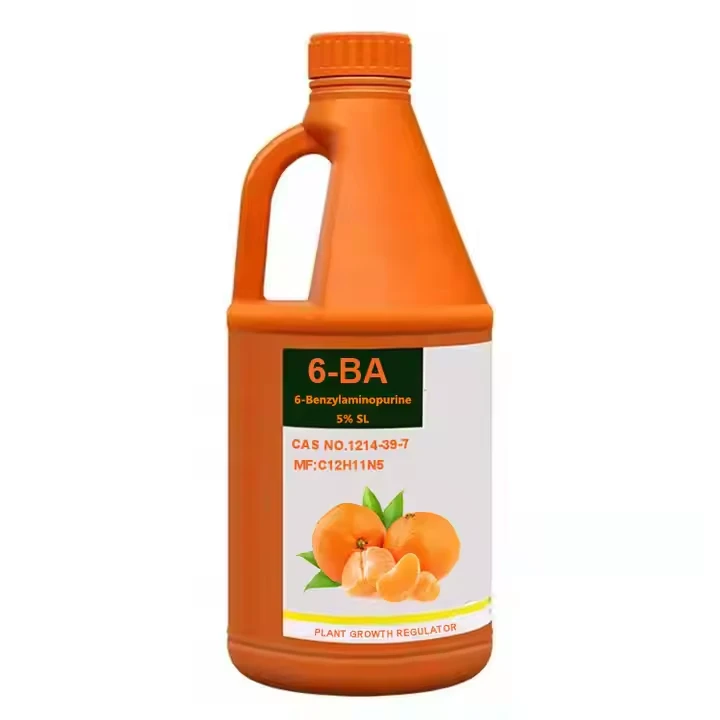
Finally, 6-benzylaminopurine 6ba 6-ba Bap 1214-39-7 is a cytokinin that is widely used in the agricultural industry to promote cell division, delay senescence, and improve plant growth and development. Like brassinolide and 1-naphthylacetamide, 6-benzylaminopurine can also have a positive effect on plant flowering, stimulating the formation of flower buds and enhancing the overall quality of the flowers.
Conclusion
In conclusion, Daminozide is a powerful plant growth regulator that can have a significant impact on plant flowering. By altering the hormonal balance within the plant, Daminozide can promote earlier flowering, increase flower quality and quantity, and improve overall crop yield. However, it's important to use Daminozide responsibly and in accordance with local regulations to ensure the safety of both the environment and human health.
If you're interested in learning more about Daminozide or other plant growth regulators, or if you're looking to purchase these products for your agricultural or horticultural operations, please don't hesitate to contact us. Our team of experts is available to provide you with detailed information and guidance on the use of these products, as well as to help you find the best solutions for your specific needs.
References
- "Plant Growth Regulators: Principles and Applications" by T. A. Thorpe and D. C. Elliott
- "Hormonal Regulation of Plant Growth and Development" by P. J. Davies
- "The Physiology of Flowering" by R. H. Ellis and R. J. Summerfield


