


As a supplier of Indole-3-Acetic Acid (IAA), I've witnessed firsthand the dynamic nature of the market and the ever - evolving factors that contribute to its cost. In this blog, I'll delve into the various elements that influence the cost of IAA in the market, offering insights from my experience in the industry.
1. Production Costs
The production of IAA is a complex process that involves multiple steps, each with its own associated costs.
Raw Materials
The primary raw materials used in IAA production are key determinants of cost. The prices of these raw materials can fluctuate significantly due to factors such as supply and demand dynamics, weather conditions affecting agricultural raw materials, and geopolitical events. For example, if there is a poor harvest of the crops from which some of the precursor chemicals are derived, the cost of these raw materials will increase, leading to a higher overall production cost of IAA.
Manufacturing Process
The manufacturing process of IAA requires specialized equipment and skilled labor. Maintaining and operating this equipment incurs costs, including energy consumption, equipment maintenance, and depreciation. Additionally, the need for strict quality control measures throughout the production process adds to the cost. Skilled technicians are required to ensure that the IAA produced meets the required purity and quality standards. Any deviation from these standards can result in product rejection, which further increases the cost per unit of acceptable IAA.
Regulatory Compliance
The production of IAA is subject to various regulations and standards. These regulations are in place to ensure the safety of the product, both for the end - users and the environment. Complying with these regulations requires additional investment in terms of documentation, testing, and certification. For instance, IAA products need to be tested for their efficacy and safety in different applications, and these tests can be time - consuming and expensive.
2. Market Demand and Supply
The basic economic principle of supply and demand plays a crucial role in determining the cost of IAA in the market.
Demand
The demand for IAA is driven by its wide range of applications in the agricultural and horticultural sectors. It is used as a plant growth regulator to promote root development, increase fruit set, and enhance overall plant growth. As the global population continues to grow, the demand for food production also increases, leading to a higher demand for IAA to improve crop yields. Additionally, the growing interest in organic farming and sustainable agriculture has also contributed to the increased demand for IAA, as it is considered a relatively natural and environmentally friendly plant growth regulator.
Supply
The supply of IAA is influenced by the number of producers in the market, their production capacities, and their ability to meet the quality standards. If there are only a few suppliers in the market, they may have more control over the price. On the other hand, if new suppliers enter the market or existing suppliers increase their production capacities, the supply of IAA will increase, which can lead to a decrease in price. However, this also depends on the rate at which the demand is growing. If the demand is growing at a faster rate than the supply, the price of IAA will likely increase.
3. Competition
Competition among IAA suppliers can have a significant impact on the cost of the product.
Price Competition
In a highly competitive market, suppliers may engage in price competition to gain market share. This can lead to lower prices for consumers. However, price competition also has its limits. Suppliers need to ensure that they can cover their production costs and make a reasonable profit. If a supplier lowers the price too much, they may compromise on the quality of the product or cut corners in the production process, which can have negative consequences in the long run.
Product Differentiation
Some suppliers may focus on product differentiation rather than price competition. They may offer IAA products with unique features, such as higher purity, better solubility, or specific formulations for different applications. These differentiated products can command a higher price in the market. For example, a supplier may develop an IAA product that is specifically designed for use in hydroponic systems, which requires a different formulation compared to traditional soil - based applications.

4. Distribution and Marketing Costs
The cost of getting IAA from the production facility to the end - user also contributes to its market price.
Distribution
Distribution costs include transportation, storage, and handling. The distance between the production facility and the market, the mode of transportation (e.g., road, rail, or sea), and the storage conditions required for IAA all affect the distribution cost. For example, if the IAA needs to be transported over long distances and stored under specific temperature and humidity conditions, the distribution cost will be higher.
Marketing
Marketing is essential for suppliers to promote their IAA products and create brand awareness. Marketing costs include advertising, participation in trade shows, and sales promotions. These costs are ultimately passed on to the consumer in the form of a higher product price. However, effective marketing can also increase the demand for the product, which may lead to economies of scale and potentially lower prices in the long run.
5. Related Products in the Market
The cost of IAA can also be influenced by the prices of related products in the market.
Substitute Products
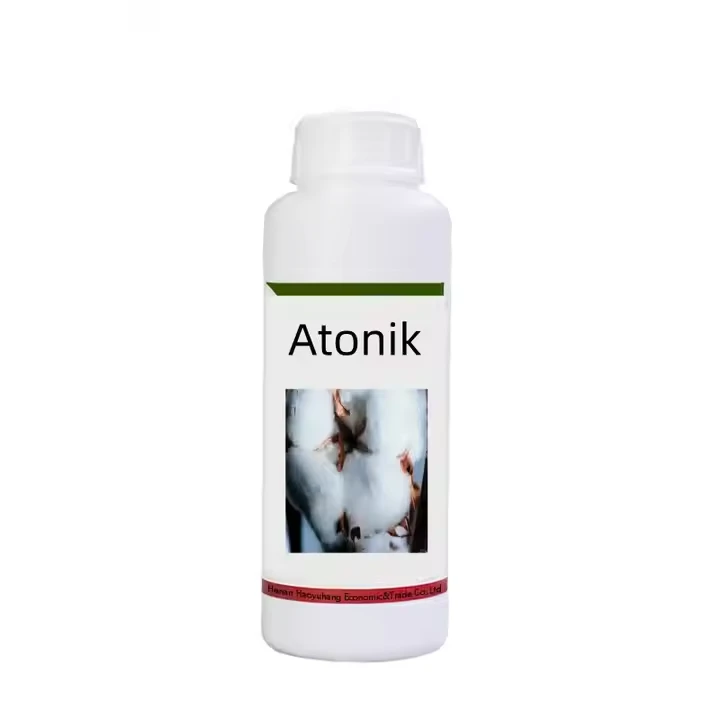
There are other plant growth regulators available in the market that can be used as substitutes for IAA. For example, Atonik Compound Sodium Nitrophenolate 61233 - 85 - 6 and Ethephon Ethrel 16672 - 87 - 0 are also widely used plant growth regulators. If the prices of these substitute products are lower, some consumers may switch to using them instead of IAA, which can put downward pressure on the price of IAA.
Complementary Products
On the other hand, there are also complementary products in the market. For example, Difenoconazole Cis 119446 - 68 - 3 is a fungicide that can be used in conjunction with IAA to improve plant health. If the price of complementary products decreases, it may increase the overall demand for IAA as well, which can have a positive impact on its price.
Conclusion
The cost of IAA in the market is influenced by a multitude of factors, including production costs, market demand and supply, competition, distribution and marketing costs, and the prices of related products. As a supplier, I understand the importance of balancing these factors to offer a high - quality product at a competitive price.
If you are interested in purchasing IAA or have any questions about our products, I encourage you to reach out to me for a detailed discussion. We are committed to providing the best solutions for your plant growth needs.
References
- "Plant Growth Regulators: Principles and Applications" by various authors
- Market research reports on the agricultural chemicals industry
- Industry publications on plant growth regulators


