


Ethrel, also known as ethephon, is a well - known plant growth regulator that has been making waves in the agricultural world for quite some time. As a supplier of Ethrel, I've seen firsthand how this product can revolutionize farming practices and crop yields. So, let's dive right in and explore what Ethrel is all about.
What Exactly is Ethrel?
Ethrel is a synthetic plant growth regulator with the chemical formula C₂H₆ClO₃P. When applied to plants, it breaks down and releases ethylene, a natural plant hormone. Ethylene plays a crucial role in various physiological processes of plants, such as ripening, abscission (the shedding of leaves, flowers, or fruits), and senescence (the aging process).
One of the key features of Ethrel is its ability to mimic the effects of natural ethylene production in plants. It can be used on a wide range of crops, including fruits, vegetables, and grains. For example, in the fruit industry, Ethrel is often used to promote uniform ripening. This is especially important for crops like tomatoes and bananas, where a consistent level of ripeness is crucial for marketing and consumer appeal.
How Does Ethrel Work?
Once Ethrel is applied to a plant, it is absorbed through the leaves, stems, or fruits. As it moves through the plant's tissues, it hydrolyzes and releases ethylene gas. This ethylene then binds to specific receptors in the plant cells, triggering a series of biochemical reactions.
These reactions can lead to changes in gene expression, enzyme activity, and cell metabolism. For instance, in fruits, the increased ethylene levels can stimulate the production of enzymes that break down starch into sugar, softening the fruit and changing its color. In the case of leaf abscission, ethylene promotes the formation of a separation layer at the base of the leaf petiole, causing the leaf to fall off.
Applications of Ethrel in Agriculture
Fruit Ripening
As mentioned earlier, Ethrel is widely used to enhance fruit ripening. In the case of tomatoes, applying Ethrel can speed up the ripening process, allowing farmers to harvest the fruit earlier and get it to the market faster. This is particularly useful for commercial growers who need to meet strict market deadlines.
Flowering and Fruit Set
Ethrel can also influence flowering and fruit set in some plants. In certain crops like pineapple, it can be used to induce uniform flowering. By controlling the timing of flowering, farmers can ensure a more consistent harvest and better management of their resources.

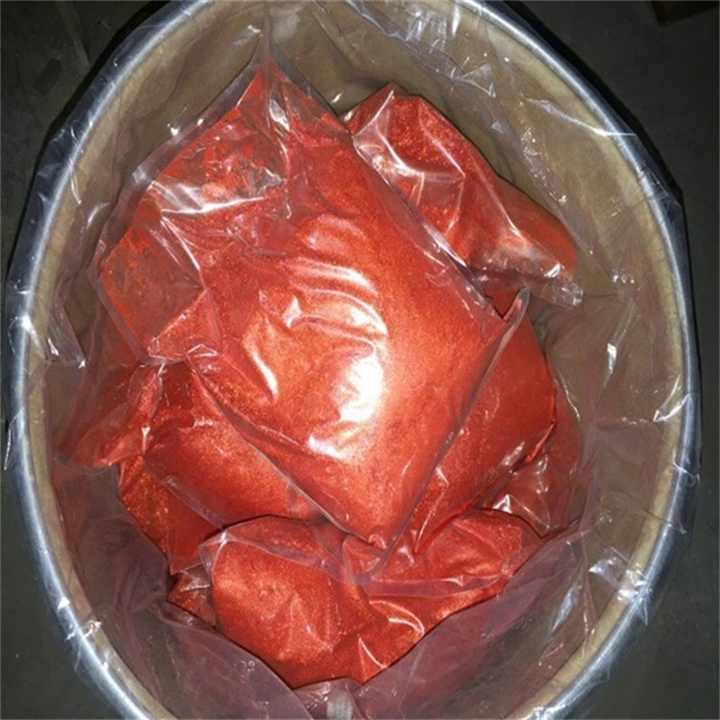
Defoliation
In the cotton industry, Ethrel is used for defoliation. By promoting leaf abscission, it makes it easier to harvest the cotton bolls. This not only improves the efficiency of the harvesting process but also reduces the amount of leaf debris in the harvested cotton, resulting in a higher - quality product.
Advantages of Using Ethrel
Increased Productivity
By promoting uniform ripening and better fruit set, Ethrel can significantly increase crop yields. This means more produce for farmers to sell, which ultimately translates into higher profits.
Quality Improvement
The ability to control the ripening process ensures that the fruits and vegetables are of a consistent quality. This is important for both the consumer and the producer, as it leads to better - looking and better - tasting products.
Cost - effectiveness
Compared to some other plant growth regulators, Ethrel is relatively inexpensive. This makes it an attractive option for farmers, especially those on a tight budget.
Comparison with Other Plant Growth Regulators
There are several other plant growth regulators on the market, and it's worth comparing Ethrel with some of them.
Mepiquat Chloride
Mepiquat Chloride 1 - dimethylpiperidinium N - dimethylpiperidinium 15302 - 91 - 7 24307 - 26 - 4 is mainly used to control plant height and reduce vegetative growth in crops like cotton. While Ethrel is more focused on ripening, abscission, and other physiological processes related to ethylene action. Mepiquat Chloride works by inhibiting the synthesis of gibberellins, another class of plant hormones.
Compound Sodium Nitrophenolate
Compound Sodium Nitrophenolate Atonik CAS 61233 - 85 - 6 is a broad - spectrum plant growth regulator that can enhance plant growth, improve nutrient uptake, and increase resistance to stress. In contrast, Ethrel's main function is centered around ethylene - related processes.
Gibberellins
Gibberellins Gibberellic Acid Ga3 77 - 06 - 5 are known for promoting stem elongation, seed germination, and fruit enlargement. Ethrel, on the other hand, has the opposite effect in some cases, such as promoting leaf abscission and fruit ripening.
Safety and Precautions
Like any agricultural chemical, it's important to use Ethrel safely. When handling Ethrel, farmers and applicators should wear appropriate protective clothing, including gloves, goggles, and a respirator if necessary. It should be stored in a cool, dry place away from food, feed, and children.
Proper application rates are also crucial. Over - application of Ethrel can lead to negative effects on the plants, such as excessive defoliation or premature fruit drop. It's always a good idea to follow the manufacturer's instructions and conduct small - scale trials before applying it to a large area.
Conclusion
Ethrel is a powerful and versatile plant growth regulator that offers many benefits to the agricultural industry. Its ability to control ripening, flowering, and abscission makes it an essential tool for farmers looking to improve their crop yields and quality.
If you're a farmer or involved in the agricultural business and are interested in learning more about Ethrel or purchasing it, I encourage you to reach out. We can have a detailed discussion about how Ethrel can be tailored to your specific needs and crop types. Whether you're growing tomatoes, cotton, or pineapples, Ethrel could be the solution you've been looking for to take your farming operation to the next level.
References
- Hartmann, H. T., Kester, D. E., Davies, F. T., & Geneve, R. L. (2011). Plant Propagation: Principles and Practices. Pearson Prentice Hall.
- Taiz, L., & Zeiger, E. (2010). Plant Physiology. Sinauer Associates.


