


Carbaryl is a well - known and widely used chemical compound in the field of agriculture and pest control. As a Carbaryl supplier, I have witnessed firsthand the diverse applications and benefits of this versatile substance. In this blog, I will delve into the main uses of Carbaryl, shedding light on its effectiveness and significance in various sectors.
1. Agricultural Pest Control
One of the primary uses of Carbaryl is in agricultural pest control. It is a broad - spectrum insecticide that can target a wide range of pests that threaten crops. Carbaryl works by inhibiting the activity of acetylcholinesterase, an enzyme essential for the normal functioning of the nervous system in insects. When pests come into contact with Carbaryl, their nervous systems are disrupted, leading to paralysis and eventually death.
In fruit orchards, Carbaryl is commonly used to control pests such as apple maggots, plum curculios, and codling moths. These pests can cause significant damage to fruit crops, reducing both the quantity and quality of the harvest. By applying Carbaryl at the appropriate times during the growing season, farmers can effectively protect their fruit trees and ensure a bountiful harvest. For example, spraying Carbaryl on apple trees during the bloom and post - bloom periods can help prevent apple maggot infestations.
In vegetable gardens, Carbaryl is also a valuable tool for pest management. It can be used to control pests like cabbage worms, potato beetles, and aphids. These pests can quickly destroy vegetable crops if left unchecked. By using Carbaryl, gardeners can protect their vegetables and enjoy a healthy and productive garden. For instance, a light application of Carbaryl on cabbage plants can keep cabbage worms at bay, allowing the plants to grow and develop properly.
It's important to note that while Carbaryl is effective against many pests, it should be used with caution. Overuse or improper application can lead to negative impacts on non - target organisms, such as beneficial insects like bees. Therefore, it is crucial to follow the recommended application rates and safety guidelines provided by the manufacturer.
2. Lawn and Turf Care
Carbaryl is also widely used in lawn and turf care to control a variety of pests. Grubs, which are the larvae of beetles such as Japanese beetles and June bugs, can cause extensive damage to lawns by feeding on the roots of grass. This can lead to brown patches and weakened turf. Carbaryl can be applied to lawns to control grub infestations. When applied to the soil, Carbaryl is taken up by the grass roots and is ingested by the grubs as they feed, effectively killing them.
In addition to grubs, Carbaryl can also be used to control other lawn pests such as chinch bugs and sod webworms. Chinch bugs suck the sap from grass blades, causing the grass to turn yellow and eventually die. Sod webworms, on the other hand, feed on the grass blades, creating unsightly holes in the lawn. By using Carbaryl, lawn owners can maintain a healthy and beautiful lawn.
However, as with agricultural use, proper application is key. It is important to apply Carbaryl at the right time of year, usually when the pests are most vulnerable. For example, for grub control, applications are typically made in the late summer or early fall when the grubs are actively feeding near the soil surface.
3. Forestry
In forestry, Carbaryl has important applications in pest control. Forest pests such as gypsy moths and spruce budworms can cause significant damage to forests. Gypsy moth caterpillars can defoliate large areas of trees, weakening the trees and making them more susceptible to other diseases and pests. Spruce budworms, which feed on the buds and needles of spruce and fir trees, can also cause extensive damage, leading to reduced growth and even tree mortality.
Carbaryl can be used in forestry operations to control these pests. Aerial spraying of Carbaryl over infested forest areas can effectively reduce pest populations and protect the forest ecosystem. However, this method requires careful planning and consideration of potential impacts on non - target organisms and the environment. Forest managers must ensure that the application of Carbaryl is carried out in a way that minimizes harm to beneficial insects, birds, and other wildlife.
4. Public Health
Carbaryl also plays a role in public health pest control. It can be used to control pests such as mosquitoes and flies, which are known vectors of various diseases. Mosquitoes can transmit diseases such as malaria, dengue fever, and Zika virus, while flies can spread diseases like typhoid and cholera.
In areas where mosquito - borne diseases are a concern, Carbaryl can be applied to standing water sources where mosquitoes breed, such as ponds, ditches, and wetlands. This helps to reduce the mosquito population and minimize the risk of disease transmission. Additionally, Carbaryl can be used in outdoor areas such as parks and recreational areas to control flies and other nuisance pests, providing a more comfortable environment for the public.
Comparison with Other Insecticides
While Carbaryl is a popular choice for pest control, there are other insecticides available on the market. For example, Insecticide Diflubenzuron 98% TC is an insect growth regulator that works by interfering with the insect's ability to molt. It is often used in situations where a more targeted approach to pest control is needed, such as in areas where beneficial insects are present.
Chlorfluazuron 71422 - 67 - 8 is another insecticide that is effective against a variety of pests, especially lepidopteran insects. It acts by inhibiting chitin synthesis in insects, preventing them from developing properly.
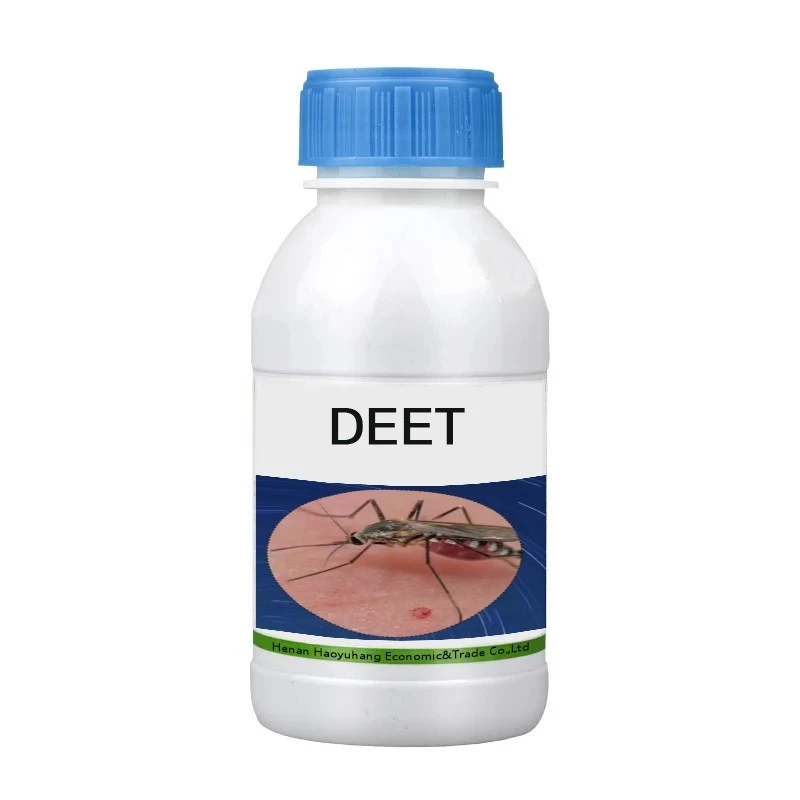
DEET With Nice Quality is a well - known insect repellent. Unlike Carbaryl, which is an insecticide that kills pests, DEET works by repelling insects, making it a popular choice for personal protection against mosquitoes and other biting insects.
Each of these products has its own advantages and disadvantages, and the choice of insecticide depends on the specific pest problem, the environment, and the desired outcome.
Conclusion
In conclusion, Carbaryl is a versatile and effective chemical compound with a wide range of uses in agriculture, lawn and turf care, forestry, and public health. Its broad - spectrum activity against many pests makes it a valuable tool for pest management. However, it is important to use Carbaryl responsibly, following all safety guidelines and considering its potential impacts on the environment and non - target organisms.
If you are interested in purchasing Carbaryl for your pest control needs, I invite you to contact me for more information and to discuss your specific requirements. Whether you are a farmer looking to protect your crops, a lawn owner seeking to maintain a healthy lawn, or a forest manager in need of pest control solutions, I can provide you with high - quality Carbaryl products and expert advice.

References
- "The Pesticide Manual: A World Compendium", 16th Edition, British Crop Protection Council.
- "Insect Pests of Farm, Garden, and Orchard", by A. C. Oudemans.
- Various scientific research papers on the use and effects of Carbaryl in different sectors.


