


Fungicides are essential tools in modern agriculture, helping to protect crops from various fungal diseases and ensuring high yields. As a fungicide supplier, I have witnessed firsthand the significant benefits these products bring to the agricultural industry. However, it's crucial to also understand the potential effects of fungicides on aquatic life, as this is an area of growing concern.
Introduction to Fungicides and Their Use
Fungicides are chemicals designed to prevent, control, or eliminate fungal infections in plants. They come in various forms, including contact fungicides, which remain on the surface of the plant and prevent fungal spores from germinating, and systemic fungicides, which are absorbed by the plant and can move through its tissues to combat existing infections.
The use of fungicides has been instrumental in increasing crop productivity and quality. By protecting plants from diseases such as powdery mildew, rust, and blight, farmers can achieve higher yields and better-quality produce. This not only benefits the farmers economically but also helps to ensure a stable food supply for the growing global population.
How Fungicides Reach Aquatic Environments
There are several ways in which fungicides can enter aquatic ecosystems. One of the primary routes is through runoff from agricultural fields. When it rains, water can carry fungicide residues from treated crops into nearby streams, rivers, lakes, and groundwater. This can happen even if the fungicides are applied according to the recommended guidelines, as some amount of the chemical may remain on the soil surface or be washed off by heavy rainfall.
Another way fungicides can reach aquatic environments is through improper disposal. If unused or expired fungicides are dumped into water bodies or if containers are not properly rinsed before disposal, the chemicals can contaminate the water. Additionally, some fungicides may volatilize and be carried by the wind to nearby water sources.
Effects of Fungicides on Aquatic Life
The effects of fungicides on aquatic life can vary depending on the type of fungicide, the concentration, and the sensitivity of the organisms. Here are some of the common impacts:
Toxicity to Aquatic Organisms
Many fungicides are toxic to a wide range of aquatic organisms, including fish, amphibians, invertebrates, and algae. For example, some fungicides can disrupt the normal functioning of the nervous system, respiratory system, or reproductive system of fish and other aquatic animals. This can lead to reduced growth, impaired swimming ability, and even death.
Invertebrates such as insects, crustaceans, and mollusks are also highly sensitive to fungicides. These organisms play important roles in the aquatic food web, and their decline can have cascading effects on the entire ecosystem. For instance, a decrease in the population of zooplankton can lead to an increase in the growth of algae, which can cause water quality problems such as eutrophication.
Impact on Algae and Phytoplankton
Algae and phytoplankton are the base of the aquatic food chain, and they are essential for the production of oxygen in the water. Some fungicides can inhibit the growth and photosynthesis of algae and phytoplankton, which can have far-reaching consequences for the entire ecosystem. A reduction in the abundance of these primary producers can lead to a decrease in the availability of food for other organisms, as well as a decrease in oxygen levels in the water.
Changes in Aquatic Ecosystem Structure and Function
The presence of fungicides in aquatic environments can also cause changes in the structure and function of the ecosystem. For example, the selective toxicity of fungicides can lead to a shift in the species composition of the community, favoring more tolerant species over sensitive ones. This can disrupt the balance of the ecosystem and reduce its biodiversity.
In addition, fungicides can affect the decomposition of organic matter in the water, which can have implications for nutrient cycling and the overall health of the ecosystem. For instance, some fungicides can inhibit the activity of bacteria and fungi that are responsible for breaking down dead plant and animal material, leading to an accumulation of organic matter and a decrease in water quality.
Case Studies of Fungicide Effects on Aquatic Life
To illustrate the real-world impact of fungicides on aquatic life, let's look at some case studies:
Fludioxonil
Fludioxonil 131341-86-1 is a widely used fungicide that has been shown to have toxic effects on aquatic organisms. Studies have found that fludioxonil can cause oxidative stress and DNA damage in fish, as well as affect the development and survival of amphibian embryos. In addition, it has been shown to have a negative impact on the growth and reproduction of algae and invertebrates.
Propiconazole
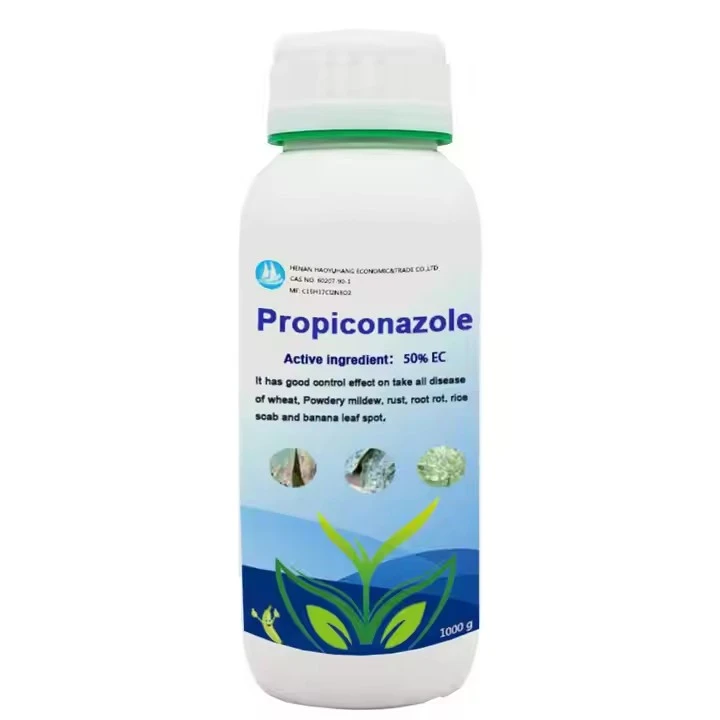
Propiconazole 50% ME: Effective Fungicide For Crop Protection is another commonly used fungicide that has been linked to adverse effects on aquatic life. Research has shown that propiconazole can be toxic to fish, causing damage to their gills, liver, and kidneys. It can also affect the behavior and reproduction of invertebrates, such as water fleas and snails.
Pyraclostrobin
Pyraclostrobine-25%WDG-CAS No.175013-18-0 is a fungicide that has been detected in surface waters and has been shown to have toxic effects on aquatic organisms. Studies have found that pyraclostrobin can inhibit the growth and photosynthesis of algae, as well as affect the survival and development of fish and invertebrates.
Mitigating the Effects of Fungicides on Aquatic Life
As a fungicide supplier, we are committed to promoting the responsible use of our products to minimize their impact on the environment. Here are some strategies that can be used to mitigate the effects of fungicides on aquatic life:
Best Management Practices
Farmers and growers can adopt best management practices to reduce the amount of fungicide runoff into aquatic environments. This includes using precision application techniques to ensure that the fungicides are applied only where they are needed, at the correct dosage, and at the appropriate time. Additionally, they can implement buffer zones around water bodies to filter out fungicide residues before they reach the water.
Alternative Pest Management Strategies
In some cases, it may be possible to use alternative pest management strategies that are less harmful to the environment. For example, biological control agents such as beneficial insects and fungi can be used to control fungal diseases in plants. Integrated pest management (IPM) approaches that combine multiple control methods can also be effective in reducing the reliance on fungicides.
Product Development and Innovation
As a supplier, we are constantly investing in research and development to develop new fungicides that are more environmentally friendly. This includes developing products with lower toxicity to aquatic organisms, as well as improving the formulation and delivery systems to reduce the amount of chemical that is released into the environment.
Conclusion and Call to Action
In conclusion, while fungicides play an important role in protecting crops from fungal diseases, it's essential to be aware of their potential effects on aquatic life. By understanding the mechanisms by which fungicides reach aquatic environments and the impacts they can have on aquatic organisms, we can take steps to minimize these effects and ensure the sustainability of our agricultural and aquatic ecosystems.

As a fungicide supplier, we are dedicated to providing our customers with high-quality products that are both effective and environmentally responsible. We encourage farmers, growers, and other stakeholders to work with us to adopt best management practices and alternative pest management strategies to reduce the impact of fungicides on the environment.
If you are interested in learning more about our fungicide products or have any questions about their use and environmental impact, please feel free to contact us. We are happy to discuss your specific needs and provide you with the information and support you need to make informed decisions. Let's work together to protect our crops and our environment for future generations.
References
- [List of relevant scientific studies and reports on the effects of fungicides on aquatic life]
- [Industry guidelines and best management practices for the use of fungicides]
- [Research on alternative pest management strategies]


