


Hey there! As an S - ABA supplier, I often get asked if it's possible to extract S - ABA from plants. Well, let's dig into this topic and find out.
First off, what the heck is S - ABA? S - ABA, or (+) - cis,trans - abscisic acid, is a naturally occurring plant hormone. It plays a crucial role in various plant processes, like regulating seed dormancy, controlling stomatal closure during water stress, and responding to environmental stresses such as drought, cold, and salinity. You can check out more about it here: Trans-abscisic Acid Abscisic Acid S-aba Dormin 21293-29-8.
Now, back to the main question: Is it possible to extract S - ABA from plants? The short answer is yes, it is. Plants do produce S - ABA naturally, and scientists have developed methods to extract it. But it's not as easy as just plucking a plant and getting the S - ABA out.
One of the challenges in extracting S - ABA from plants is its low concentration. S - ABA is present in plants in very small amounts. For example, in some plant tissues, the concentration of S - ABA might be only a few micrograms per gram of fresh weight. This means that you need a large amount of plant material to get a significant quantity of S - ABA.
Another issue is the extraction process itself. The extraction of S - ABA from plants typically involves multiple steps. First, you need to select the right plant source. Different plants have different levels of S - ABA. Some plants, like certain varieties of grapes, have relatively higher levels of S - ABA compared to others. After selecting the plant, you have to grind it up to break open the cells and release the S - ABA.
Then, you use solvents to extract the S - ABA from the plant material. The choice of solvent is crucial. Commonly used solvents include methanol, ethanol, and water - based mixtures. These solvents can dissolve the S - ABA and separate it from other plant components. But this extraction process is not 100% efficient. There are always some losses during the extraction, and you might end up with a mixture of S - ABA and other plant compounds.
After the extraction, you need to purify the S - ABA. This usually involves techniques like chromatography. Chromatography can separate the S - ABA from other substances based on their different chemical properties. It's a time - consuming and complex process, but it's necessary to get a pure form of S - ABA.
Despite these challenges, extracting S - ABA from plants has some advantages. The S - ABA extracted from plants is a natural product, which might be more appealing to some farmers and consumers who prefer natural plant growth regulators. Natural S - ABA can also have a better compatibility with plants compared to synthetic ones in some cases.

Now, let's talk about the alternatives. There are synthetic methods to produce S - ABA. Synthetic S - ABA can be produced in large quantities and at a relatively lower cost compared to extracting it from plants. However, some people still prefer the plant - extracted S - ABA because of its natural origin.
In the agricultural market, S - ABA has a wide range of applications. It can be used to improve the stress tolerance of crops. For example, when crops are facing drought, applying S - ABA can help the plants close their stomata, reducing water loss and increasing their chances of survival. It can also be used to improve the quality of fruits. In grapevines, S - ABA can enhance the color and sugar content of grapes.
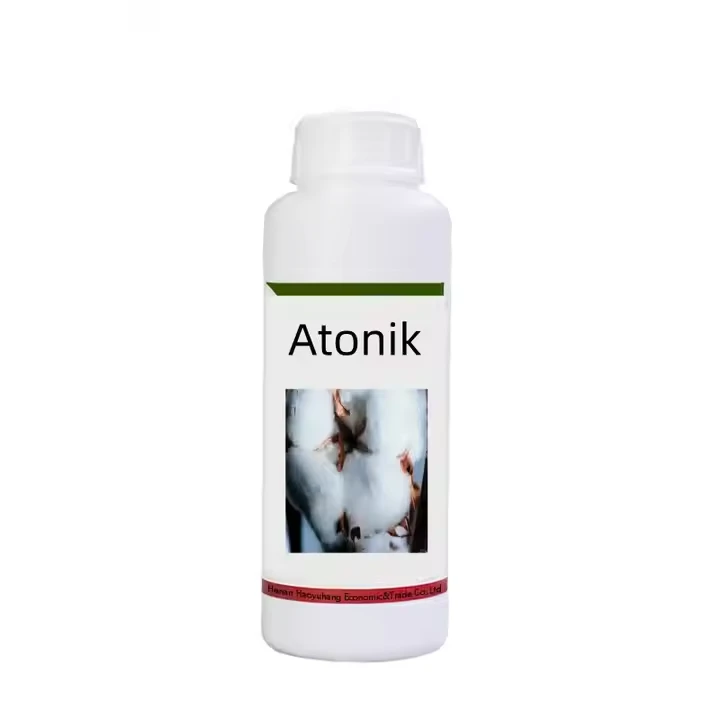
If you're in the agricultural business and are looking for plant growth regulators, besides S - ABA, we also offer other products. For instance, 86-86-2 1-Naphthylacetamide 98%TC Factory Price Hot Sale and Atonik Compound Sodium Nitrophenolate 61233-85-6. These products also play important roles in promoting plant growth and development.
So, if you're interested in S - ABA or any of our other plant growth regulators, feel free to reach out for a chat. We can discuss your specific needs and how our products can fit into your agricultural operations. Whether you're a small - scale farmer or a large - scale agricultural enterprise, we're here to provide you with high - quality products and professional advice.
In conclusion, while it is possible to extract S - ABA from plants, it comes with its own set of challenges. But the natural origin of plant - extracted S - ABA makes it an attractive option for many in the agricultural industry. And with our range of plant growth regulators, we're confident that we can meet your needs. So, don't hesitate to contact us for more information and let's start a great business relationship.
References:
- Davies, W. J., & Zhang, J. (1991). Root signals and the regulation of growth and development of plants in drying soil. Annual Review of Plant Physiology and Plant Molecular Biology, 42(1), 55 - 76.
- Nambara, E., & Marion - Poll, A. (2005). Abscisic acid biosynthesis and catabolism. Annual Review of Plant Biology, 56(1), 165 - 185.


