


Dichlorvos, also known as 2,2-dichlorovinyl dimethyl phosphate (DDVP), is a well - known insecticide that has been widely used in agriculture, public health, and household pest control. As a supplier of Dichlorvos, understanding how long it remains effective in the environment is crucial for both our customers and us. This knowledge helps in proper application, ensuring maximum pest control while minimizing environmental impacts.

Factors Affecting the Persistence of Dichlorvos in the Environment
Environmental Conditions
- Temperature: Temperature plays a significant role in the degradation of Dichlorvos. Higher temperatures generally accelerate the chemical reactions that break down Dichlorvos. In warm climates, with temperatures often above 25°C, the half - life of Dichlorvos in the environment can be relatively short. For example, in tropical regions, the insecticide may degrade more rapidly due to the increased kinetic energy of molecules, which promotes chemical reactions such as hydrolysis. On the other hand, in colder environments, where temperatures are close to or below freezing, the degradation process slows down significantly. This means that Dichlorvos can remain effective for a longer period in cold storage facilities or during winter seasons in temperate regions.
- Humidity: Moisture in the air or soil can also affect the persistence of Dichlorvos. High humidity levels can increase the rate of hydrolysis, a chemical reaction where water molecules break down the Dichlorvos compound. In areas with high relative humidity, such as coastal regions, the insecticide may degrade faster compared to arid regions. For instance, in a coastal area with a relative humidity of over 80%, the effective period of Dichlorvos may be reduced by half compared to a dry desert environment.
- Sunlight: Ultraviolet (UV) radiation from sunlight can cause photodegradation of Dichlorvos. When exposed to sunlight, the chemical bonds in Dichlorvos can be broken, leading to the formation of less toxic by - products. In open fields or outdoor environments, where there is direct sunlight exposure, the effective time of Dichlorvos is shorter. In contrast, in indoor settings or areas with limited sunlight, such as basements or storage rooms, the insecticide can remain effective for a longer time.
Type of Application
- Aerial Spraying: When Dichlorvos is applied through aerial spraying, it is exposed to a large surface area of the environment. The droplets are dispersed over a wide area, which increases their contact with air, sunlight, and moisture. As a result, the degradation process is accelerated, and the effective period is relatively short. Aerial spraying is often used for large - scale pest control in agricultural fields, and the Dichlorvos may lose its effectiveness within a few days to a week, depending on the environmental conditions mentioned above.
- Ground Application: Ground application methods, such as spraying on soil or surfaces, can lead to different persistence times. If Dichlorvos is sprayed on soil, it can be absorbed by soil particles. The interaction with soil components can either enhance or inhibit its degradation. Some soils with high organic matter content may adsorb Dichlorvos, protecting it from rapid degradation and increasing its effective period. In contrast, if the soil has a high pH or contains certain enzymes, the degradation may be accelerated. When sprayed on surfaces, the type of surface also matters. For example, on porous surfaces like wood or concrete, Dichlorvos may penetrate and be protected to some extent, while on smooth, non - porous surfaces like glass or metal, it is more exposed to the environment and may degrade faster.
Target Pest
The behavior and physiology of the target pest can also influence the effective period of Dichlorvos. Some pests are more sensitive to Dichlorvos, and a lower concentration can be effective in controlling them. In such cases, even if the Dichlorvos degrades over time, the remaining concentration may still be sufficient to kill the pests. On the other hand, some pests may develop resistance to Dichlorvos. In areas where resistant pests are present, the effective period of the insecticide may be shorter because a higher concentration or more frequent applications are required to achieve the same level of pest control.
Typical Persistence Times of Dichlorvos in Different Environments
Agricultural Fields
In agricultural fields, the effective period of Dichlorvos can range from a few days to several weeks. After aerial or ground spraying, the initial high - concentration application can quickly reduce the pest population. However, due to the exposure to sunlight, air, and moisture, the insecticide starts to degrade. In a typical agricultural setting with normal temperature, humidity, and sunlight conditions, Dichlorvos may remain effective for about 7 - 14 days. This is usually sufficient to control many common agricultural pests, such as aphids, whiteflies, and caterpillars.
Indoor Environments
In indoor environments, Dichlorvos can remain effective for a longer time. When used for household pest control, such as in kitchens or bedrooms, the limited exposure to sunlight and relatively stable temperature and humidity conditions can extend its effective period. In a well - sealed room, Dichlorvos may remain effective for several weeks to a few months. For example, if used to control cockroaches or flies in a pantry, the insecticide can continue to kill pests for up to two months, provided there is no significant disturbance or cleaning that removes the chemical residues.
Water Bodies
When Dichlorvos enters water bodies, its persistence is mainly determined by hydrolysis and dilution. In water, the hydrolysis reaction is relatively fast, especially in alkaline conditions. The effective period of Dichlorvos in water is usually very short, often less than a week. Additionally, the dilution effect in large water bodies further reduces its concentration and effectiveness. However, in small, stagnant water bodies, the insecticide may remain at a detectable and potentially effective level for a few days longer.
Comparison with Other Insecticides
When comparing Dichlorvos with other insecticides such as S - Methoprene CAS 65733 - 16 - 6, (nitroimino)imidazolidine 5465 - 96 - 3, and Factory Supply Abamectin CAS 71751 - 41 - 2, each has its own characteristics in terms of environmental persistence.
S - Methoprene is a juvenile hormone analog, and its mode of action is different from Dichlorvos. It is relatively more stable in the environment and can have a longer residual effect. It is often used for controlling insects in their larval stages, and its persistence can range from weeks to months depending on the application and environmental conditions.
(nitroimino)imidazolidine has a different chemical structure and mode of action as well. Its degradation rate in the environment is also influenced by environmental factors, but it may have a different effective period compared to Dichlorvos. In some cases, it can be more persistent than Dichlorvos, especially in certain soil types or under specific environmental conditions.
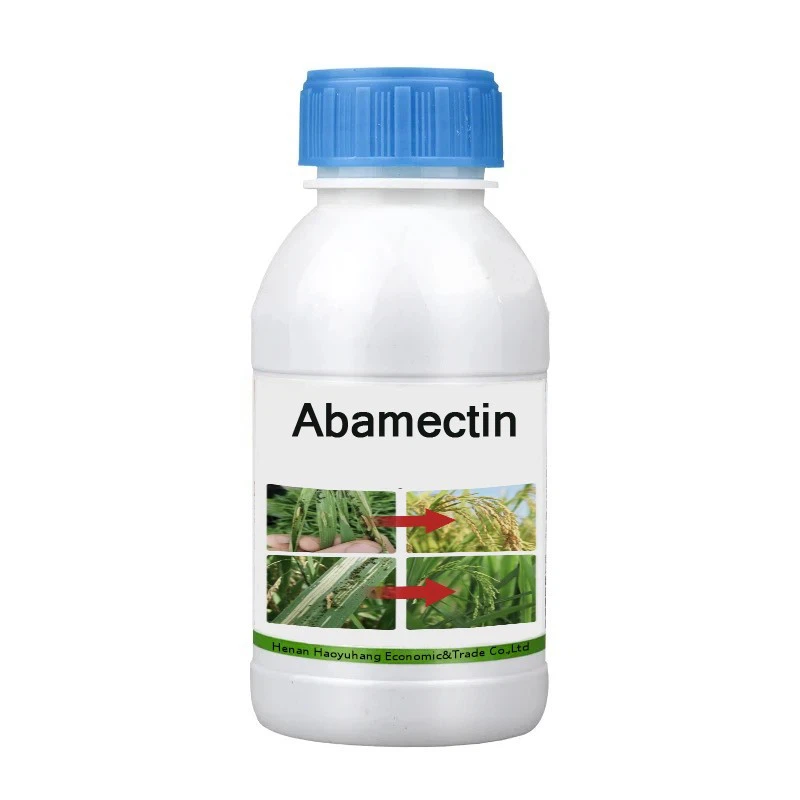
Abamectin is a natural product - based insecticide. It has a relatively short half - life in the environment, especially when exposed to sunlight. However, its effectiveness against pests can be high, and it may require more frequent applications compared to Dichlorvos in some situations.
Conclusion and Call to Action
As a supplier of Dichlorvos, we understand the importance of providing our customers with accurate information about the product's environmental persistence. The effective period of Dichlorvos in the environment is variable, depending on multiple factors such as environmental conditions, application methods, and target pests. By considering these factors, our customers can make more informed decisions about the use of Dichlorvos for pest control.
If you are interested in purchasing Dichlorvos or have any questions about its application and effectiveness, we are here to assist you. Our team of experts can provide detailed guidance on the best practices for using Dichlorvos to achieve optimal pest control results while minimizing environmental impacts. Contact us for more information and to start a purchase negotiation.
References
- Ware, G. W., & Whitacre, D. M. (2004). The Pesticide Book. Thomson Publications.
- Environmental Protection Agency. (2019). Dichlorvos Reregistration Eligibility Decision. EPA.
- Solomon, K. R., & Sibley, P. K. (2002). Ecotoxicology of pesticides. Wiley - Interscience.


