


Hey there! As a naphthalene supplier, I've been getting a lot of questions about how naphthalene interacts with biological molecules. So, I thought I'd take a deep dive into this topic and share what I've learned.
First off, let's talk a bit about naphthalene. It's a polycyclic aromatic hydrocarbon made up of two fused benzene rings. You might know it from mothballs, but it also has other industrial uses. In nature, it can be found in coal tar and crude oil.
Now, onto the main question: how does naphthalene interact with biological molecules? Well, one of the key ways is through hydrophobic interactions. Biological molecules, like proteins and lipids, have both hydrophobic (water - hating) and hydrophilic (water - loving) parts. Naphthalene, being a non - polar molecule, is attracted to the hydrophobic regions of these biological molecules.
For example, in proteins, there are often pockets or cavities lined with hydrophobic amino acids. Naphthalene can slip into these pockets and bind there. This binding can have various effects on the protein's structure and function. It might change the protein's shape, which in turn can affect its ability to interact with other molecules. If the protein is an enzyme, this could mean that its catalytic activity is altered.
In the case of lipids, which make up cell membranes, naphthalene can insert itself into the lipid bilayer. The lipid bilayer is composed of two layers of lipid molecules with their hydrophobic tails facing each other. Naphthalene, with its hydrophobic nature, can fit in between these tails. This can disrupt the normal organization of the lipid bilayer, making the membrane more fluid or less stable. As a result, the cell's ability to control what goes in and out of the cell can be affected.
Another important aspect is the metabolism of naphthalene in biological systems. When naphthalene enters the body, it undergoes a series of enzymatic reactions. The cytochrome P450 enzyme family plays a crucial role here. These enzymes add oxygen atoms to the naphthalene molecule, making it more water - soluble so that it can be excreted from the body. However, some of the intermediate products formed during this metabolism can be reactive and cause damage to biological molecules.
For instance, reactive oxygen species (ROS) can be generated during naphthalene metabolism. ROS are highly reactive molecules that can oxidize proteins, lipids, and DNA. Oxidation of proteins can lead to their denaturation and loss of function. Oxidation of lipids can cause lipid peroxidation, which can damage cell membranes. And oxidation of DNA can result in mutations, which may lead to various diseases, including cancer.

Naphthalene also has an impact on the immune system. It can activate certain immune cells, such as macrophages. Macrophages are cells that play a key role in the body's defense against foreign substances. When naphthalene activates macrophages, they release cytokines, which are signaling molecules. These cytokines can trigger an inflammatory response. While inflammation is a normal part of the body's defense mechanism, chronic inflammation caused by long - term exposure to naphthalene can be harmful and may contribute to the development of diseases.
Now, I'd like to mention some of the products we offer that are related to naphthalene and its derivatives. Check out our Effectively Promote Growth And Enhance Stress Resistance Jasmonic Acid 20%SL CAS:6894 - 38 - 8 Specially Used For Oranges And Potatoes. This product can help plants deal with stress and promote their growth.
Another great option is our Stimulate Fruit Enlargement β - naphthoxyacetic Acid 98%TC CASNo.120 - 23 - 0 Particularly Suitable For Improving Pineapple, Strawberry, Tomato. It's a derivative related to naphthalene and can be very useful for farmers looking to increase their fruit yields.
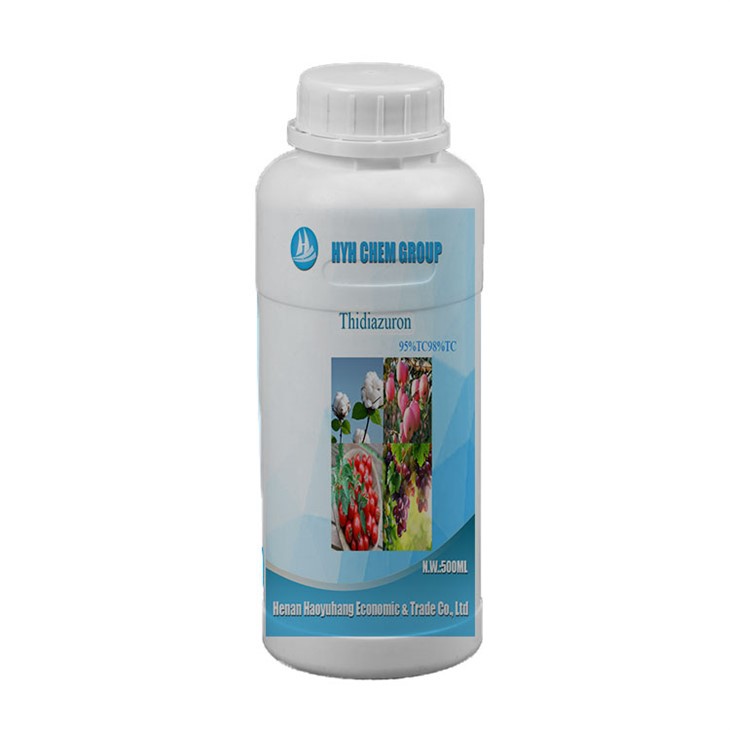
We also have Efficient And Low - Toxic Thidiazuron 95%TC 98%TC CAS51707 - 55 - 2 Specially Used For Watermelon And Cotton. This product can be a great addition to your agricultural toolkit.
If you're interested in any of these products or have more questions about naphthalene and its interactions with biological molecules, don't hesitate to reach out for a procurement discussion. We're here to help you find the best solutions for your needs.
In conclusion, naphthalene's interaction with biological molecules is complex and has both beneficial and harmful aspects. Understanding these interactions is crucial for various fields, from toxicology to agriculture. Whether you're a researcher, a farmer, or someone in the industrial sector, we can provide you with the high - quality naphthalene and related products you need.
References
- Nebert, D. W., & Dalton, T. P. (2006). The role of metabolism in chemical toxicity. In Casarett and Doull's Toxicology: The Basic Science of Poisons (7th ed., pp. 133 - 184). McGraw - Hill.
- Snyder, R. (2004). Naphthalene toxicity. Annual Review of Pharmacology and Toxicology, 44, 101 - 126.
- Vinken, M., Rogiers, V., & Vanhaecke, T. (2013). The impact of reactive oxygen species on cellular signaling and the consequences for human health. Toxicology Letters, 221(2), 231 - 241.


