


In the agricultural and pest control industries, insecticides play a crucial role in protecting crops, livestock, and human health from the threats posed by insects. As an insecticide supplier, I've witnessed firsthand the remarkable effectiveness of these chemical agents. However, there's a growing concern that has been looming over our industry for quite some time: insecticide resistance. In this blog, I'll delve into how insecticide resistance develops, exploring the biological, ecological, and human - related factors that contribute to this phenomenon.
Biological Mechanisms of Insecticide Resistance
At the heart of insecticide resistance lies the genetic makeup of insects. Insects, like all living organisms, have a vast genetic diversity within their populations. When an insecticide is introduced into an environment, it acts as a powerful selective pressure. Insects that possess genes that confer some level of resistance to the insecticide are more likely to survive the initial exposure.
One common biological mechanism is metabolic resistance. Insects with this type of resistance have enhanced enzyme systems, such as cytochrome P450 monooxygenases, esterases, and glutathione - S - transferases. These enzymes can break down the insecticide molecules before they can cause harm to the insect. For example, if we consider the Insecticide Fipronil 95%TC CAS 120068 - 37 - 3, insects with high levels of certain esterases may be able to hydrolyze the fipronil molecule, rendering it ineffective.
Another mechanism is target - site resistance. Insecticides typically work by binding to specific target sites in the insect's body, such as nerve receptors or enzymes. Mutations in the genes that code for these target sites can change their structure. As a result, the insecticide can no longer bind effectively to the target site. For instance, some insects have developed mutations in the sodium channels in their nerve cells, which are the target of pyrethroid insecticides like Lambda - cyhalothrin 25g/L EC CAS 91465 - 08 - 6 Lambda - cyhalothrin. These mutations prevent the pyrethroids from disrupting the normal functioning of the sodium channels, and the insects remain unharmed.

Behavioral resistance is also a factor. Some insects may change their behavior in response to the presence of an insecticide. They may avoid areas where the insecticide has been applied, or they may alter their feeding or mating habits. For example, certain mosquito species have been observed to avoid resting on surfaces treated with insecticides, reducing their exposure to the chemicals.
Ecological Factors Influencing Resistance Development
The ecological context in which insects live can significantly impact the development of insecticide resistance. Insect populations are not isolated entities; they interact with their environment and other species.
One important ecological factor is the frequency and intensity of insecticide use. In agricultural settings, where large - scale and repeated applications of insecticides are common, the selective pressure on insect populations is extremely high. For example, in monoculture farming systems, where the same crop is grown year after year and the same insecticides are used to control pests, resistant insects have a greater chance of emerging. The continuous presence of the insecticide in the environment means that only the most resistant individuals can survive and reproduce.
The mobility of insects also plays a role. Insects that can move easily between different areas can spread resistance genes. For instance, migratory pests can carry resistance genes from one region to another. This can lead to the rapid spread of resistance across large geographical areas, making it more difficult to control pest populations.
The presence of natural enemies can either slow down or accelerate the development of resistance. Natural enemies, such as predators and parasites, can reduce the size of the insect population. If the natural enemy population is high, it can keep the insect population in check, reducing the need for heavy insecticide use. On the other hand, if the natural enemies are also affected by the insecticide, the remaining insect population may be more likely to develop resistance as there is less competition and predation pressure.
Human - Related Factors in Resistance Development
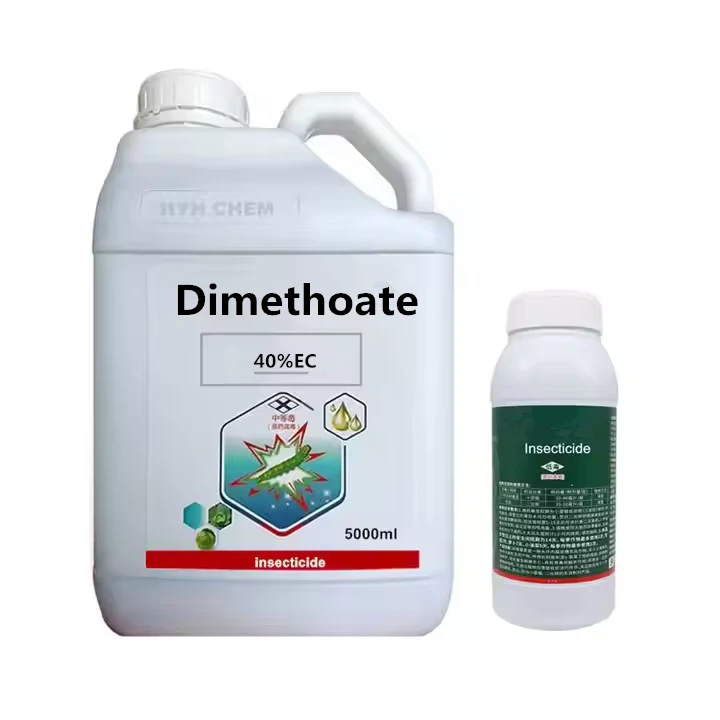
Human activities are perhaps the most significant drivers of insecticide resistance. One of the main issues is the over - reliance on a single class of insecticides. Many farmers and pest control operators tend to use the same insecticide or insecticides from the same chemical class repeatedly because they are familiar with them and they are often cost - effective in the short term. For example, Dimethoate Omethoateo - dimethyl S - methylcarbamoylmethyl 1113 - 02 - 6 has been widely used in agriculture for a long time. Continuous use of this organophosphate insecticide has led to the development of resistance in many insect species.
Incorrect application of insecticides also contributes to resistance. This includes using the wrong dosage, improper timing of application, and uneven distribution of the insecticide. If the dosage is too low, it may not kill all the insects, allowing the more resistant ones to survive. If the application is not timed correctly, the insects may be in a life - stage that is less susceptible to the insecticide. Uneven distribution can create refuges where insects can survive without being exposed to the full strength of the insecticide, and these insects can then contribute to the spread of resistance.
Lack of knowledge and education among farmers and pest control professionals is another problem. Many may not be aware of the latest research on insecticide resistance or the best practices for insecticide use. This can lead to sub - optimal decision - making when it comes to pest management.
Implications for Our Business as an Insecticide Supplier
As an insecticide supplier, the development of insecticide resistance poses both challenges and opportunities. On the one hand, resistance reduces the effectiveness of our products, which can lead to customer dissatisfaction. Farmers and pest control operators may switch to other products or suppliers if they find that our insecticides are no longer working.
On the other hand, it also creates an opportunity for innovation. We can invest in research and development to create new insecticides with different modes of action. For example, we can explore the development of biopesticides, which are derived from natural sources such as plants, bacteria, or fungi. These biopesticides often have different target sites and modes of action compared to traditional chemical insecticides, reducing the likelihood of cross - resistance.
We can also play a role in promoting integrated pest management (IPM) strategies. IPM combines different pest control methods, including biological control, cultural control, and the judicious use of insecticides. By educating our customers about IPM, we can help them reduce their reliance on chemical insecticides and slow down the development of resistance.
Conclusion and Call to Action
Insecticide resistance is a complex and multifaceted problem that requires a comprehensive approach to address. As an insecticide supplier, we are committed to working with our customers to find sustainable solutions. We understand the importance of providing high - quality products that are effective against pests while also being mindful of the long - term impact on the environment and the development of resistance.
If you are facing challenges with pest control or are interested in learning more about our innovative insecticide products and IPM strategies, we invite you to reach out to us. We are here to assist you in making the best decisions for your pest management needs. Let's work together to combat insecticide resistance and ensure the continued success of your agricultural or pest control operations.
References
- Georghiou, G. P. (1986). The magnitude of the resistance problem. In Pesticide resistance: strategies and tactics for management (pp. 13 - 41). National Academies Press.
- Denholm, I., & Rowland, M. W. (1992). Resistance to insecticides in arthropods. Annual review of entomology, 37(1), 91 - 112.
- Tabashnik, B. E., & Carrière, Y. (2017). Insect resistance to Bt crops: lessons from the first billion acres. Nature biotechnology, 35(10), 926 - 931.


