


As an insecticide supplier, I've witnessed firsthand the growing concerns about how insecticides impact water quality. This topic is not only crucial for environmentalists and regulatory bodies but also for us in the industry. In this blog, I'll delve into the various ways insecticides can affect water quality, explore the potential consequences, and discuss some strategies to mitigate these impacts.

How Insecticides Enter Water Bodies
Insecticides can find their way into water bodies through several pathways. One of the primary routes is runoff from agricultural fields. When farmers apply insecticides to their crops, rainwater can wash the chemicals off the fields and into nearby streams, rivers, and lakes. This is especially common in areas with heavy rainfall or poor soil retention.
Another significant source of insecticide contamination in water is leaching. Insecticides can percolate through the soil and reach groundwater, which is a major source of drinking water for many communities. Leaching is more likely to occur in areas with sandy soils or high water tables.
In addition to agricultural use, insecticides are also used in urban and residential settings for pest control. These applications can contribute to water pollution through stormwater runoff. When insecticides are sprayed on lawns, gardens, or buildings, they can be carried by rainwater into storm drains and ultimately end up in water bodies.
Impact on Water Quality
The presence of insecticides in water can have several negative impacts on water quality. One of the most immediate effects is the toxicity to aquatic organisms. Insecticides are designed to kill insects, but they can also harm other forms of life in water, including fish, amphibians, and invertebrates. Even low levels of insecticide exposure can disrupt the normal behavior, growth, and reproduction of these organisms, leading to population declines and ecological imbalances.
Insecticides can also affect the water's chemical and physical properties. Some insecticides can increase the turbidity of water, making it cloudy and reducing the amount of light that can penetrate. This can have a negative impact on photosynthetic organisms such as algae and aquatic plants, which are essential for the health of aquatic ecosystems.
Furthermore, insecticides can react with other chemicals in water to form new compounds that may be more toxic or persistent than the original insecticides. For example, some insecticides can react with chlorine, a common disinfectant used in water treatment, to form harmful byproducts such as trihalomethanes.
Case Studies
To illustrate the real-world impact of insecticides on water quality, let's look at a few case studies. In the United States, the use of the insecticide DDT was widespread in the mid-20th century. However, it was later discovered that DDT was highly persistent in the environment and had accumulated in the tissues of fish and other wildlife. This led to a decline in bird populations, as DDT caused thinning of eggshells, making them more likely to break during incubation.
Another example is the use of neonicotinoid insecticides, which have been linked to the decline of bee populations. These insecticides can also contaminate water bodies and pose a risk to aquatic organisms. A study in Canada found that neonicotinoids were present in surface water samples from agricultural areas, and the levels were high enough to cause sublethal effects on aquatic invertebrates.
Our Insecticide Products and Their Impact
As an insecticide supplier, we are committed to providing products that are effective in pest control while minimizing their impact on the environment. We offer a range of insecticides, including Insecticide Beauveria Bassiana 15 Billion Spores Per Gram SC, CAS 105827-78-9 Imidacloprid 97%TC 20%SL 35%SC 70%WG, and Abamectin 71751-41-2.
Beauveria bassiana is a natural fungus that acts as a biological insecticide. It infects and kills insects by penetrating their cuticle and growing inside their bodies. This insecticide is considered to be environmentally friendly because it has low toxicity to non-target organisms and does not persist in the environment.
Imidacloprid is a neonicotinoid insecticide that is widely used in agriculture and urban pest control. While it is effective in controlling a wide range of insects, there are concerns about its impact on bees and other pollinators. However, when used according to the label instructions, the risk of environmental contamination can be minimized.
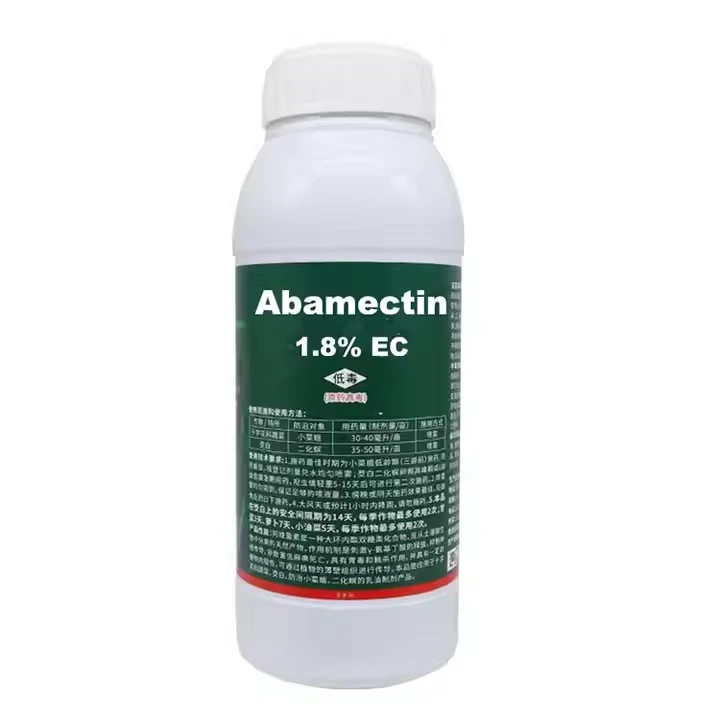
Abamectin is a broad-spectrum insecticide and acaricide that is derived from a soil bacterium. It has a relatively low toxicity to mammals and birds, but it can be toxic to fish and other aquatic organisms. Therefore, it is important to use this insecticide with caution near water bodies.
Mitigation Strategies
To reduce the impact of insecticides on water quality, several mitigation strategies can be implemented. One of the most effective ways is to use integrated pest management (IPM) practices. IPM involves the use of multiple pest control methods, including biological control, cultural control, and chemical control, in a coordinated manner. By using IPM, farmers and pest control professionals can reduce the reliance on insecticides and minimize their environmental impact.
Another important strategy is to follow the label instructions when using insecticides. The label provides information on the proper application rate, timing, and safety precautions. By following these instructions, users can ensure that the insecticides are used in a safe and effective manner.
In addition, buffer zones can be established around water bodies to prevent insecticides from entering. Buffer zones are areas of vegetation that act as a filter, trapping and absorbing insecticides before they reach the water. Planting native vegetation in buffer zones can also provide habitat for wildlife and improve the overall health of the ecosystem.
Conclusion
In conclusion, insecticides can have a significant impact on water quality. The presence of insecticides in water can harm aquatic organisms, affect the water's chemical and physical properties, and pose a risk to human health. As an insecticide supplier, we have a responsibility to provide products that are effective in pest control while minimizing their environmental impact. By using integrated pest management practices, following label instructions, and implementing mitigation strategies, we can reduce the negative impact of insecticides on water quality and protect our precious water resources.
If you are interested in learning more about our insecticide products or have any questions about their impact on water quality, please feel free to contact us for further discussion and potential procurement opportunities.
References
- USEPA. (2023). Pesticides and Water Quality. Retrieved from https://www.epa.gov/pesticides/pesticides-and-water-quality
- European Food Safety Authority. (2018). Scientific Opinion on the risk assessment of the active substance imidacloprid for bees (Apis mellifera, Bombus spp. and solitary bees). EFSA Journal, 16(10), e05439.
- World Health Organization. (2016). Public health significance of pesticides. Retrieved from https://www.who.int/ipcs/publications/cicad/en/


