


Can herbicides be used in gardens? This is a question that many garden enthusiasts and professionals often ponder. As a herbicide supplier, I've encountered numerous inquiries regarding the suitability and safety of using herbicides in garden settings. In this blog, I'll delve into the various aspects of this topic, weighing the pros and cons, discussing the types of herbicides available, and providing guidelines on responsible use.
The Case for Using Herbicides in Gardens
Efficiency and Time-Saving
One of the primary advantages of using herbicides in gardens is the significant time and effort they can save. Weeds are a persistent nuisance in gardens, competing with desirable plants for nutrients, water, and sunlight. Manually removing weeds can be a labor-intensive and time-consuming task, especially in larger gardens. Herbicides offer a more efficient solution by quickly and effectively eliminating weeds, allowing gardeners to focus on other aspects of garden maintenance.
Weed Control Precision
Modern herbicides are designed to target specific types of weeds while minimizing damage to desirable plants. Selective herbicides, for example, can be used to control broadleaf weeds in lawns without harming the grass. This precision allows gardeners to maintain a healthy and aesthetically pleasing garden by selectively removing unwanted vegetation.
Preventing Weed Spread
Weeds can spread rapidly through seeds, rhizomes, and other means, quickly taking over a garden if left unchecked. Herbicides can help prevent the spread of weeds by killing them before they have a chance to produce seeds or spread vegetatively. This is particularly important in gardens where invasive weed species are present, as these can cause significant damage to native plants and ecosystems.
The Concerns Surrounding Herbicide Use in Gardens
Environmental Impact
One of the main concerns associated with herbicide use in gardens is the potential environmental impact. Herbicides can contaminate soil, water, and air, and may have negative effects on non-target organisms such as beneficial insects, birds, and mammals. Some herbicides are also persistent in the environment, meaning they can remain in the soil and water for long periods of time, potentially causing long-term damage to ecosystems.
Health Risks
Another concern is the potential health risks associated with herbicide use. Herbicides can be toxic to humans and animals if ingested, inhaled, or absorbed through the skin. Exposure to herbicides has been linked to a variety of health problems, including cancer, birth defects, and neurological disorders. It is important for gardeners to follow the instructions on herbicide labels carefully and to take appropriate safety precautions when using these products.
Resistance Development
Over time, weeds can develop resistance to herbicides, making them less effective. This is a significant concern in agriculture and gardening, as it can lead to the need for higher doses of herbicides or the use of more toxic chemicals. To prevent resistance development, it is important to use herbicides responsibly and to rotate between different types of herbicides with different modes of action.
Types of Herbicides Suitable for Gardens
Selective Herbicides
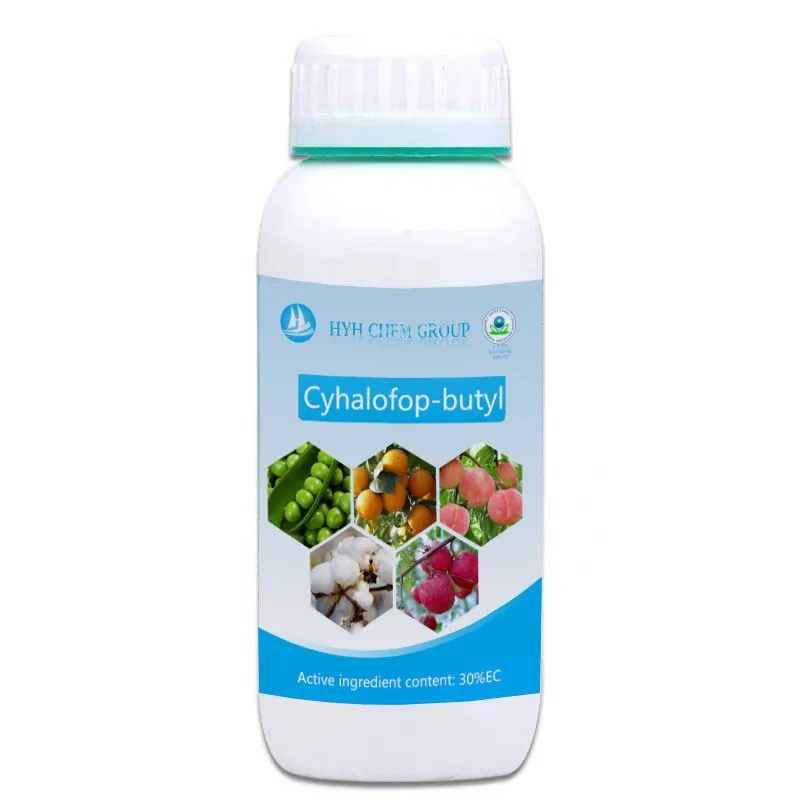
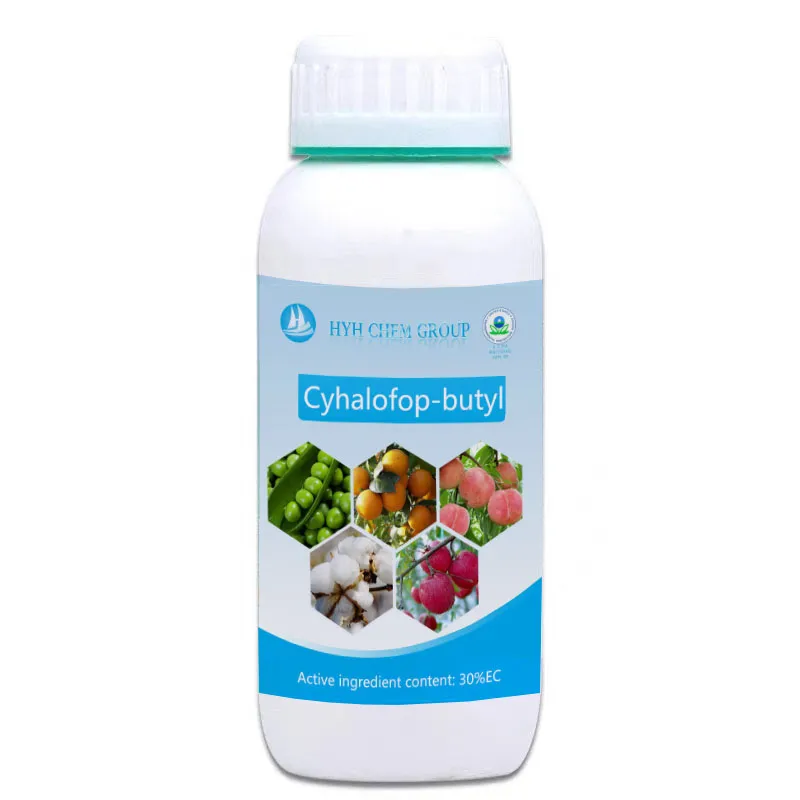
Selective herbicides are designed to target specific types of weeds while leaving desirable plants unharmed. These herbicides are commonly used in lawns, flower beds, and vegetable gardens to control broadleaf weeds, grasses, or other specific weed species. Some examples of selective herbicides include Bispyribac - sodium 10%SC CAS Herbicide China Factory Price, which is effective against a wide range of grassy and broadleaf weeds in rice fields and other crops, and Herbicide Cyhalofop - butyl 30%EC CAS 122008 - 85 - 9, which is used to control grassy weeds in rice and other crops.
Non - Selective Herbicides
Non - selective herbicides are designed to kill all types of plants, including both weeds and desirable plants. These herbicides are typically used for total vegetation control in areas such as driveways, sidewalks, and fence lines. Glyphosate is a well - known non - selective herbicide that is widely used in gardens and agriculture. However, it is important to use non - selective herbicides with caution, as they can cause damage to desirable plants if not applied carefully.
Organic Herbicides
For gardeners who prefer to use natural or organic methods of weed control, there are several organic herbicides available on the market. These herbicides are typically made from natural ingredients such as vinegar, citrus oil, or clove oil, and are considered to be less harmful to the environment and human health than synthetic herbicides. Organic herbicides can be effective for controlling small weeds and for spot - treating weed infestations, but they may not be as effective as synthetic herbicides for large - scale weed control.
Guidelines for Responsible Herbicide Use in Gardens
Read and Follow the Label
The most important step in using herbicides safely and effectively is to read and follow the instructions on the label carefully. The label provides information on the proper use, dosage, safety precautions, and environmental considerations for the herbicide. It is important to follow these instructions exactly to ensure that the herbicide is used correctly and to minimize the risk of damage to plants, humans, and the environment.
Use the Right Herbicide for the Job
As mentioned earlier, different herbicides are designed to target different types of weeds. It is important to choose the right herbicide for the specific weed problem you are trying to solve. Selective herbicides should be used to control specific weed species in areas where desirable plants are present, while non - selective herbicides should be used for total vegetation control in areas where no desirable plants are growing.
Apply Herbicides at the Right Time
The effectiveness of herbicides can be affected by the time of application. In general, herbicides are most effective when applied to actively growing weeds. It is also important to avoid applying herbicides during periods of high heat, drought, or heavy rain, as these conditions can reduce the effectiveness of the herbicide and increase the risk of damage to plants.
Take Safety Precautions
When using herbicides, it is important to take appropriate safety precautions to protect yourself, others, and the environment. This includes wearing protective clothing, such as gloves, goggles, and a respirator, when handling and applying herbicides. It is also important to keep children and pets away from the area where herbicides are being applied until the herbicide has dried.
Conclusion
In conclusion, herbicides can be a useful tool for weed control in gardens when used responsibly. They offer several advantages, including efficiency, precision, and the ability to prevent weed spread. However, there are also concerns regarding their environmental impact, health risks, and the development of weed resistance. By choosing the right herbicide for the job, following the instructions on the label carefully, and taking appropriate safety precautions, gardeners can minimize these risks and use herbicides safely and effectively in their gardens.
If you are interested in purchasing high - quality herbicides for your garden, we invite you to explore our product range, including Bispyribac - sodium 20%WP Herbucude China Supply. Our team of experts is ready to assist you in selecting the most suitable herbicide for your specific needs. Contact us today to start a discussion about your herbicide requirements and explore the best solutions for your garden.
References
- "Weed Control in Gardens." Extension. University of Minnesota.
- "Herbicide Safety and Use." Environmental Protection Agency.
- "Selective and Non - Selective Herbicides." Purdue University Extension.


