


Can DDVP be used in indoor pest control? That's a question I get asked a lot as a DDVP supplier. And it's a pretty important one, considering how many of us want to keep our homes bug - free. So, let's dive right in and talk about it.
First off, what is DDVP? DDVP, or dichlorvos, is a well - known insecticide. It's been around for ages and has been used in a variety of pest control scenarios. It works by attacking the nervous system of insects. When bugs come into contact with DDVP, it disrupts their normal nerve function, which ultimately leads to their death. This makes it a powerful weapon in the fight against pests.
Now, when it comes to indoor pest control, there are both pros and cons to using DDVP.
The Pros
One of the biggest advantages of using DDVP indoors is its effectiveness. It's very good at killing a wide range of pests. Whether you're dealing with flies, mosquitoes, cockroaches, or even some types of mites, DDVP can take them out. It has a quick knockdown effect, which means that you'll start seeing dead bugs pretty soon after application.
Another plus is that it can be used in different forms. You can find DDVP in sprays, vaporizers, and even in some types of pest strips. This gives you options depending on your specific needs and the type of pest problem you're facing. For example, if you have a small area with a lot of flying insects, a DDVP spray might be the way to go. On the other hand, if you want continuous protection in a larger room, a vaporizer or a pest strip could be more suitable.
The Cons
However, there are also some significant drawbacks to using DDVP indoors. First of all, it's a toxic chemical. DDVP can be harmful to humans and pets if not used properly. Exposure to high levels of DDVP can cause a variety of health problems, including headaches, nausea, dizziness, and in more severe cases, it can affect the nervous system. This means that when using DDVP indoors, you have to be extremely careful. You need to make sure that the area is well - ventilated, and you should keep children and pets away during and for some time after application.
Another issue is its persistence in the environment. DDVP doesn't break down quickly, which means that it can stay in the air and on surfaces for a while. This can lead to long - term exposure if you're not careful. Also, some pests have started to develop resistance to DDVP over time. This means that in some cases, it might not be as effective as it used to be.
Alternatives to DDVP for Indoor Pest Control
If you're hesitant about using DDVP indoors, there are other options available. For example, Insecticide Beauveria Bassiana 15 Billion Spores Per Gram SC is a natural insecticide. It uses a fungus to infect and kill pests. It's much safer for humans and pets and is also environmentally friendly. This product can be a great choice if you're looking for a more natural approach to pest control.
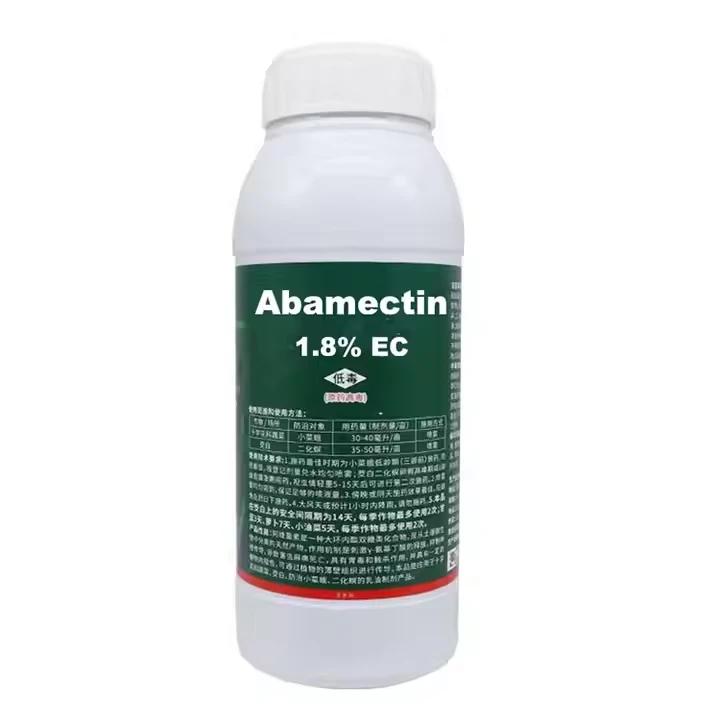
Another option is Abamectin 71751 - 41 - 2. It's a broad - spectrum insecticide that works by interfering with the nervous system of insects. It's less toxic than DDVP and can be effective against a wide range of pests.
And then there's D - trans Allethrin 584 - 79 - 2. It's commonly used in mosquito coils and some aerosol sprays. It's relatively safe for indoor use when used as directed and is very effective against flying insects like mosquitoes.
When DDVP Might Still Be a Good Option
Despite its drawbacks, there are still situations where using DDVP indoors can be a good idea. If you have a severe pest infestation and other methods haven't worked, DDVP might be your last resort. For example, if you have a cockroach problem that just won't go away, a properly applied DDVP treatment could do the trick. But again, you have to follow all the safety guidelines carefully.
Safety Precautions When Using DDVP Indoors
If you do decide to use DDVP indoors, here are some important safety precautions. First, read the label carefully. The label will give you detailed instructions on how to use the product safely. Make sure you wear protective gear, like gloves and a mask, when applying it. Open all the windows and doors to ensure good ventilation. Remove all food, dishes, and utensils from the area before application. And most importantly, keep children and pets out of the treated area until it's completely safe.
Conclusion
So, can DDVP be used in indoor pest control? The answer is yes, but with a lot of caution. It's a powerful insecticide, but it comes with risks. There are also alternative products available that might be safer and more suitable for your needs. As a DDVP supplier, I always recommend that you weigh the pros and cons carefully before making a decision. If you have any questions about DDVP or any of our other pest control products, don't hesitate to reach out. We're here to help you find the best solution for your pest problems. Whether you choose DDVP or one of the alternative products we offer, we can provide you with the information and support you need to use them effectively and safely. So, if you're interested in purchasing any of our products for your indoor pest control needs, get in touch with us for a friendly chat about your requirements and how we can assist you.
References
- "The Pesticide Manual: A World Compendium". C.D.S. Tomlin (Ed.). The British Crop Protection Council.
- "Environmental Health Criteria 155: Dichlorvos". World Health Organization.


