


Cycocel, also known as chlormequat chloride, is a well - known plant growth regulator in the agricultural industry. As a Cycocel supplier, I often receive inquiries about whether Cycocel can be used on young plants. In this blog, I will explore this question in detail, providing scientific insights and practical advice.
Understanding Cycocel
Cycocel is a synthetic plant growth regulator that acts by inhibiting gibberellin biosynthesis in plants. Gibberellins are plant hormones responsible for promoting cell elongation and stem growth. By reducing the production of gibberellins, Cycocel can lead to shorter, sturdier plants with increased lateral branching and improved root development. This can be beneficial in many agricultural and horticultural applications, such as preventing lodging in cereals, enhancing the quality of ornamental plants, and increasing the yield of some crops.
Can Cycocel Be Used on Young Plants?
The answer is yes, Cycocel can generally be used on young plants, but with careful consideration. Young plants are in a critical stage of growth and development, and improper use of any plant growth regulator can have negative consequences. Here are some factors to consider when using Cycocel on young plants:
Plant Species
Different plant species have different sensitivities to Cycocel. Some plants may respond well to Cycocel treatment at a young age, while others may be more sensitive and require lower concentrations or more cautious application. For example, many ornamental plants like petunias, marigolds, and geraniums can benefit from Cycocel application at the seedling stage. It helps them develop a more compact and bushy growth habit, which is desirable for their aesthetic value. On the other hand, some sensitive plant species may show signs of stunting or abnormal growth if the Cycocel concentration is too high.
Growth Stage
The growth stage of the young plant is also crucial. It is generally recommended to apply Cycocel when the plants have reached a certain level of maturity. For most plants, this is when they have developed a few true leaves. Applying Cycocel too early, when the plants are still very small and fragile, may disrupt their normal growth processes. For instance, in tomato seedlings, it is advisable to wait until they have at least two or three true leaves before applying Cycocel.
Concentration and Application Rate
Determining the appropriate concentration and application rate of Cycocel is essential for the successful treatment of young plants. A higher concentration may lead to excessive growth inhibition, while a lower concentration may not achieve the desired effect. The recommended concentration of Cycocel for young plants usually ranges from 250 to 1000 ppm, depending on the plant species and growth conditions. It is always a good idea to conduct a small - scale trial on a few plants first to observe their response before treating the entire crop.
Benefits of Using Cycocel on Young Plants
Improved Plant Structure
As mentioned earlier, Cycocel can promote shorter and sturdier stems in young plants. This is particularly important for plants that are prone to lodging or those that need to be transported or transplanted. A more compact plant structure makes it easier to handle and reduces the risk of damage during handling. For example, in the production of bedding plants, Cycocel - treated young plants are less likely to become leggy and are more likely to survive the transplanting process.
Enhanced Root Development
Cycocel can also stimulate root growth in young plants. A well - developed root system is essential for the overall health and vigor of the plant. It allows the plant to absorb nutrients and water more efficiently, making it more resistant to environmental stresses such as drought and nutrient deficiencies. In experiments with young cucumber plants, Cycocel - treated plants showed significantly greater root biomass compared to untreated plants.
Increased Flowering and Fruit Set
In some cases, using Cycocel on young plants can lead to increased flowering and fruit set. By redirecting the plant's energy from excessive vegetative growth to reproductive growth, Cycocel can help plants produce more flowers and fruits. For example, in strawberry plants, early application of Cycocel can result in more flower buds and a higher yield of strawberries.
Precautions When Using Cycocel on Young Plants
Environmental Conditions
Environmental conditions such as temperature, humidity, and light can affect the efficacy of Cycocel. High temperatures may increase the activity of Cycocel, leading to more severe growth inhibition. It is advisable to apply Cycocel when the environmental conditions are relatively stable. Avoid applying Cycocel during periods of extreme heat or cold, as this can cause stress to the young plants and may enhance the negative effects of the growth regulator.

Compatibility with Other Chemicals
When using Cycocel on young plants, it is important to consider its compatibility with other chemicals. Some pesticides, fertilizers, or other plant growth regulators may interact with Cycocel, either enhancing or reducing its effectiveness. Before mixing Cycocel with other chemicals, it is recommended to conduct a small - scale compatibility test to ensure that there are no adverse reactions.
Other Plant Growth Regulators
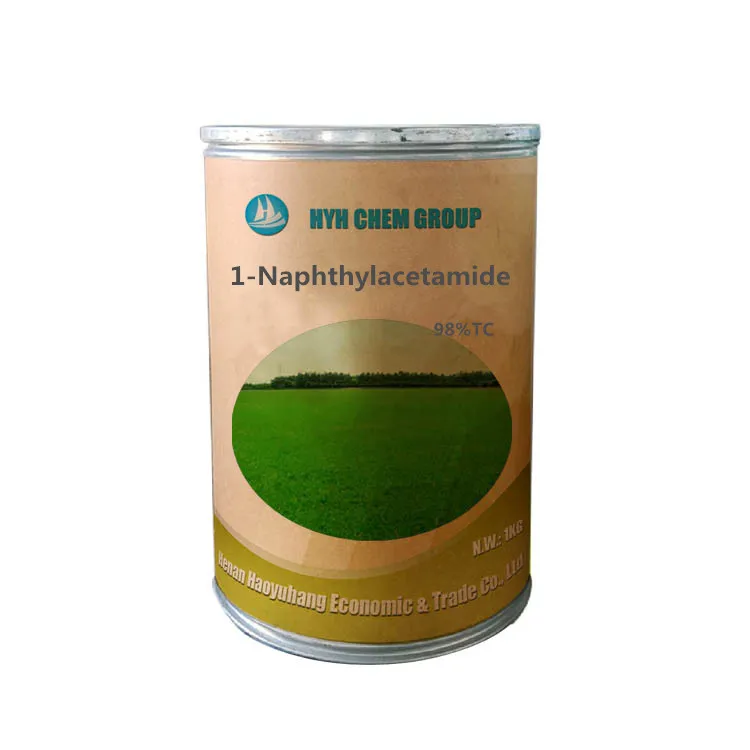
In addition to Cycocel, there are other plant growth regulators that can be used in combination with or as alternatives for young plants. For example, [Kinetin 6 - furfurylaminopurine 525 - 79 - 1]( /agrochemicals/plant - growth - regulator/525 - 79 - 1 - kinetin - 6 - furfurylaminopurine.html) is a cytokinin that can promote cell division and shoot growth in young plants. [1 - naphthylacetamide 2 - (1 - naphthyl) Acetamide 86 - 86 - 2]( /agrochemicals/plant - growth - regulator/86 - 86 - 2 - 1 - naphthylacetamide - 2 - 1 - naphthyl.html) and [1 - Naphthylacetamide 86 - 86 - 2]( /agrochemicals/plant - growth - regulator/1 - naphthylacetamide - 86 - 86 - 2.html) are auxin - type plant growth regulators that can stimulate root growth and adventitious root formation. These regulators can be used in combination with Cycocel to achieve different growth - regulating effects.
Conclusion
In conclusion, Cycocel can be used on young plants, but it requires careful consideration of plant species, growth stage, concentration, and environmental conditions. When used correctly, Cycocel can provide many benefits such as improved plant structure, enhanced root development, and increased flowering and fruit set. As a Cycocel supplier, I am committed to providing high - quality products and professional advice to help farmers and horticulturists make the most of this valuable plant growth regulator.
If you are interested in purchasing Cycocel or have any questions about its use on young plants, please feel free to contact us for further discussion and procurement negotiation. We look forward to working with you to achieve optimal plant growth and yield.
References
- Davies, P. J. (2010). Plant Hormones: Biosynthesis, Signal Transduction, Action! Springer.
- Taiz, L., & Zeiger, E. (2010). Plant Physiology. Sinauer Associates.
- Rademacher, W. (2000). Growth retardants: effects on gibberellin biosynthesis and other metabolic pathways. Annual Review of Plant Physiology and Plant Molecular Biology, 51, 501 - 531.


